Wednesday, 29 August, 2018 10:53:01 PM
Cocoa Festival Theme Song
Music : Peter Ngu Lyrics : Thomas Chin
Tawau cocoa town, Renowned in the world.
Black volcanic soil, best for cocoa plants.
Quoin Hill started it all, research through the years, yield best
quality cocoa in the world.
Mmm……………………… Rich aroma of cocoa, they make great tasty cakes and
cookies.
Smooth and yammy cocoa, every one loves the chocolaty taste.
And the beauty of natural wonders, tropical paradise,
Shanshui Golf and Country Club, Madai Cave and the Sipadan, Mabul Diving
place;
Welcome you to Tawau, cocoa paradise.
07-10-2001 Tawau


Cocoa
Koko of Malaysia
Commercial planting of cocoa in Sabah

Malaysia is the seventh largest supplier of chocolate in
the world. In Malaysia, the State of Sabah produces more than 70 per
cent of the total production of cocoa beans (1998 data).
Most of the cocoa cultivation are small holders and there are only few
large cocoa plantation company.
Cocoa production in Sabah concentrated in Tawau District
Recent years there is a reduction in production in cocoa mainly due to
the increasing conversion of cocoa cultivated land into oil palm
plantation.
The bulk of the cocoa products in the State is exported as cocoa beans
and processed cocoa butter and cocoa powder.
Cocoa : 'The food of the gods', as cocoa was called 500 years ago when
the Spanish came upon it in South America, remains a precious commodity.
A cocoa tree growing in the wild can live up to 200 years but a
cultivated tree is usually replaced after 20 to 30 years.
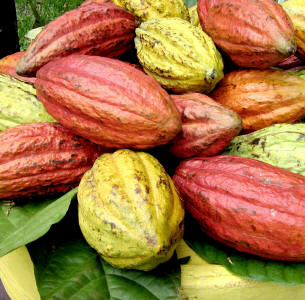
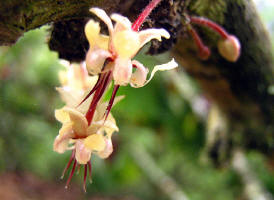
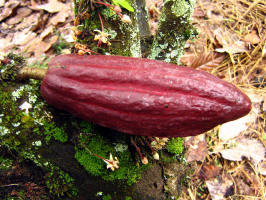
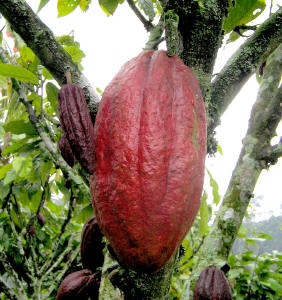
The cocoa tree is a small tree. It produces cocoa pods on its woody
trunk and brunches. The 20cm long pods are red or yellow and are hard.
Cocoa pods are produced throughout the year.
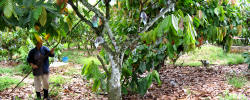
Cocoa is grown in full sun, although shade is used during establishment.
The height of cocoa is kept to about 3-5 m to make harvesting easier.
Harvesting has a high labour demand for a relatively short and often
unpredictable season. After harvest, beans are fermented and dried and
then traded.
Use of cocoa
Uses of Cocoa : Cocoa seeds are processed into cocoa powder for use
mainly to make chocolate and cocoa butter. Cocoa pulp can be eaten fresh
or made into cocoa juice.
In Malaysia, uses of cocoa are many. It may be used in cakes, creams,
drinks, toppings. Hotel Emas of Sabah created a series featured
cocoa-based food delicacies such as :
1) crystal prawns with chocolate mayonnaise source,
2) crispy cocoa chicken,
3) cocoa sotong roll,
4) cocoa fish slice,
5) cocoa fried noodle,
6) cocoa beef
7) cocoa fried rice.
8) cocoa snacks - chocolate prawn roll, chocolate ondei-ondei
9) fresh cocoa juice
Besides its use as a food, scientists discovered cocoa is beneficial for
health. Cocoa has twice the anti-cancer antioxidants of red wine, and up
to three times those found in green tea.
Coco products from Majulah Koko
Tawau Sdn. Bhd, Malaysia
Uses of Cocoa : Cocoa can be used to make Chocolate Spread, Cocoa Shower
and Chocolate Syrup

Hoko Oligo Dark Chocolate Spread
This chocolate spread contains high contents of our pure & superior
quality cocoa which is originated from our cocoa plantation. This
chocolate spread is totally Sugar-Free & Cholesterol-Free, which is an
absolute healthy chocolate product especially for those whom are
conscious on weight gain. Hence, indulge yourself care freely in this
enriched pure cocoa taste without any worry on weight gain, on the other
hand it can bring to you much nutritional benefits.

Hoko Natural Cocoa Shower
Cocoa, inherently contain high vitamin E which is well-known for its
nourishing & moisturizing properties, it helps to smoothen & lighten
scars & marks. In addition, this cocoa shower has the healing benefit in
curing light rheumatism besides refreshing & reenergizing your body. Its
rich creamy lather clean your skin gently & leave your skin silky soft,
smooth & supple for long hours. So pamper yourself to enjoy a refreshing
& high value added cocoa shower, which will benefit you surprisingly.

Hoko Chocolate Syrup
Enriched aroma chocolate syrup, which is highly nutritious, it can be
blended into hot or cold milk besides used as coating for ice cream and
various bakeries.
What is Cocoa :
The dried and
partially fermented fatty seeds of the cacao tree are used to make
chocolate and cocoa powder
Cocoa is Sabah's fourth largest agricultural crop with about 25,300 ha
planted. Tawau has almost 22,500 ha.
Cocoa bean are also processed to produced various medicines, skin care
products, chocolate and other foodstuffs.
Cocoa was first planted in Sabah in 1950s. Today it is found in Tawau,
Sandakan and Kudat.
There are about 900 cocoa beans per kilogram.
The Cocoa Tree (Theobroma Cacao) is from South America. It was first
discovered in Mexico where the Spaniards found A drinking 'choclati',
where the word 'chocolate' comes from. It means 'Drink of the Gods'
The products of this tree - chocolate, cocoa and cocoa butter - are
vital for the economics of countries like Ghana, Brazil, Malaysia and
Sri Lanka.
Reference on : Dry Fermented Beans, shell, nibs, roasted nibs, cocoa
mass, cocoa cake, deodorized cocoa butter & Majulah Cocoa Powder. Please
visit International Cocoa Organization : http://www.icco.org/index.htm
Is Chocolate A Health
Food?
:
Chocolate and Cocoa:
Health Nutrition
Great news for chocolate lovers. This article by
Meri Raffetto RD explains the health benefits of chocolate. ... . Fine
Dark Chocolate: ratings tasting analysis health wellness lifestyle and
resources ... Chocolate & Cocoa: Health and Nutrition. Everything You
Always Wanted to Know About Chocolate Answered in Book, Chocolate &
Cocoa: Health and Nutrition ...
100,000 hectares of
cocoa plantations by 2010
Malaysia Ministry of Plantation Enterprises and
Commodities has targeted some 100,000 hectares of cocoa plantations
throughout the country by the year 2010. Currently only 33,000 hectares
were in existence in Malaysia.
Sharp decline in Tawau
The local cocoa industry in Tawau had shown a
sharp decline lately. Most plantation companies were no longer
interested in cocoa cultivation due to low pricing, coupled with
extensive labor, compared with the oil palm industry. Cocoa trees were
cut down for new ventures.
Scheme grants for smallholders
Sabah had been producing 65 per cent of Malaysia
cocoa production. Malaysian Cocoa Board has schemes for smallholders,
such as providing scheme grants and special hybrids to help them revive
their cocoa ventures.
Proposed Methodology
to Determine Source and Level of Lead Contamination in Cocoa
One of the items examined at the Twenty-fourth
Session of CODEX ALIMENTARIUS COMMISSION in Geneva, Switzerland in July
n2001 was the Draft Revised Standard at Step 8 for Cocoa Butter
(ALINORMO1/14, Appendix IV). The proposals were to reduced the levels of
contaminants of lead (PB) from 0.5mg/kg to 0.1mg/kg for cocoa butter and
2mg/kg to 1mg/kg for cocoa mass and cocoa powders.
Chocolate and Health
Can Chocolate/Confectionary products fit into a
healthy diet? That is diet that provides the appropriate proportions of
energy from carbohydrates, fat and protein and meets our requirements
for vitamins and minerals? The answer is yes.
Health, Nutritional, Medicinal and other uses of
Cocoa
A listing of web sites and articles regarding
health, nutritional, medicinal and other uses of cocoa
History of Cocoa
Chocolate and cocoa are made from the beans of the
cacao tree, which apparently originated in the foothills of the Andes in
the Amazon and Orinoco basins of South America. The tree was introduced
into Central America by the ancient Maya, and was cultivated in Mexico
by the Toltecs and later by the Aztecs.
Cocoa was an important commodity in Pre-Columbian Mesoamerica. Spanish
chroniclers of the conquest of Mexico by Hernán Cortés relate that when
Moctezuma II, emperor of the Aztecs, dined he took no other beverage
than chocolate, served in a golden goblet and eaten with a golden spoon.
Flavored with vanilla and spices, his chocolate was whipped into a froth
that dissolved in the mouth. No less than 50 pitchers of it were
prepared for the emperor each day, and 2000 more for nobles of his
court.
Chocolate was introduced to Europe by the Spaniards and became a popular
beverage by 1700. They also introduced the cacao tree into the West
Indies and the Philippines. It was used in alchemical processes, where
it was known as Black Bean.
Today, most of the world's crop of beans is grown in equatorial Africa,
especially on the Gold Coast, and a small amount in South America,
chiefly Brazil. The use of chocolate, cocoa and other products is
world-wide. Belgium has the highest per capita consumption of cocoa at
5.5 kg, ten times the world-wide average .

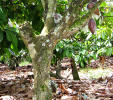


Harvesting
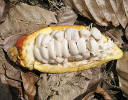
A pod has a rough leathery rind about 3 cm (1½
inch) thick. It is filled with slimy pinkish pulp, sweet but inedible,
enclosing from 30 to 50 large almond-like seeds or "beans" that are
fairly soft and pinkish or purplish in color.
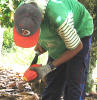
As soon as they ripen, the pods are removed with a curved knife on a
long pole, opened with a machete, and left to dry until taken to
fermentation.





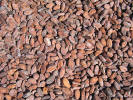
Natural Cocoa Powder is made from well-fermented and
roasted cocoa beans.
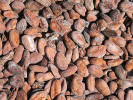
There the beans are
removed and piled in heaps, bins, or on gratings where, during several
days of "sweating", the thick pulp ferments until it thins and trickles
off. The quality of the beans, which originally have a strong bitter
taste, depends upon this sweating. If it is overdone they may be ruined;
if underdone they have a flavor like raw potatoes and are liable to
mildew.
Then the beans are spread out, constantly raked over, and dried. On
large plantations this is done on huge trays, either outdoors by
sunshine or in sheds by artificial heat. However, thousands of tons from
smaller producers are dried on small trays or on cowhides.
Finally, the beans are trodden and shuffled about (often using bare
human feet) and sometimes, during this process red clay mixed with water
is sprinkled over the beans to obtain a finer color, polish, and
protection against moulds during shipment to factories in the United
States, the Netherlands, United Kingdom, and other countries. About
3,000,000 tones of cocoa are grown each year. The Netherlands is the
leading cocoa processing country, followed by the U.S.
Export of cocoa beans from Sabah declines since 1995 and its started to
increase in 2001. In 2002 volume of cocoa beans exported amounted to
21,109 tones valued at RM110.24 million.
Producing chocolate : To make 1 kg of chocolate, about 300-600 beans are
processed.
In a factory the beans, after being washed and roasted, are de-hulled by
a "nibber" machine that also removes the germ. The nibs are ground
between three sets of stones until they emerge as a thick creamy paste.

Cocoa powder : Cocoa powder is made from thick creamy
paste by removing part of its fatty oils with a hydraulic press or by
using the Broma process. With starch and sugar added, the liquor is
churned and beaten in a "Conges" machine to produce sweet chocolate.
Dutch-process Cocoa
Adding an alkali produces Dutch process cocoa
powder, which is generally available most everywhere in the world except
the United States and has less acidity. Regular or no alkalized cocoa is
lighter in color and sharper in flavor. It is acidic, so when added to
recipes with an alkaline ingredient like baking soda, the two react and
leaven a product.
Dutch processed cocoa is Cocoa treated with alkali to neutralize some of
the harsh acid compounds of the original cocoa. The color of the
alkalized cocoa is quite dark, but the flavor is much milder than that
of cocoa made by other methods.
Some of the cocoa products made in Malaysia :


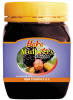
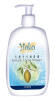
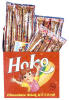
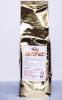
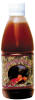
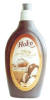
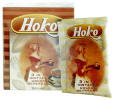
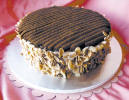

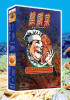


Export of intermediate cocoa products from Sabah consists
of cocoa butter, cocoa powder and cocoa liquor. In 2000, export amounted
to 5.3 million. Sabah’s import of chocolate products in 2002 amounted to
RM16.7 million.
Terepia International Wholesale Health and Nutrition
Sourcing - Articles
Terepia International is a sourcing and research company for the health
and nutrition industry. The company specialize in pomegranate powder,
stevia, living egg, and activated ionic trace minerals. ... Potential
Heart Health Benefits of Cocoa Polyphenols.
terepia.com/cocoapolyphenols.html
World Cocoa Foundation - Encouraging Sustainable, Responsible Cocoa
Growing
The World Cocoa Foundation promotes sustainable, responsible cocoa
growing to improve the well being of millions of family farmers
worldwide who grow cocoa. ... Health and Nutrition : Health and
Nutrition ... Serum Cholesterol. Chocolate & Cocoa: Health and Nutrition
Book Review. Health & Nutrition Organizations
WebMD: Cocoa: The Next Health Drink?
Rich, Dark Cocoa May Melt Away High Blood Pressure Read Cocoa: The Next
Health Drink? online at WebMD. WebMD provides valuable health
information, tools for managing your health. ... Cocoa: The Next Health
Drink? Diet & Nutrition Rich, Dark Cocoa May Melt Away High Blood
Pressure. nutrition in cocoa medical health drink information advice
articles ..
my.webmd.com/content/article/17/1671_52817
Health, Healthy Eating and Nutrition News
Latest health and nutrition news from around the world. Statistics,
surveys, research and studies as well as new products ... bmj.com -- UK
health news 20050811: "Cocoa fights clots ... Kingdom (MSR, PNA, NEA,
and TJK), and the Nutrition, Food and Health Research Center, King's
College London, London ...
nutrition-news.blogspot.com
Dark chocolate may provide some health benefits
A recent study found that dark chocolate intake improved insulin
sensitivity and resistance and decreased blood pressure, but white
chocolate intake ...
AORN Journal
Chocolate's dark health secret
EARLY REPORTS that chocolate has health benefits are now being bolstered
by new research. In a joint study at the University of Glasgow and the
National
Muscle & Fitness/Hers

Issues with cocoa as a commodity
*Many cocoa farmers receive a low price for their produce. This has led
to cocoa and chocolate being available as 'fair trade' items in some
countries, but this fair trade remains a tiny percentage of total trade.
*Pollination is exclusively by midges, which may be affected by
pesticides.


