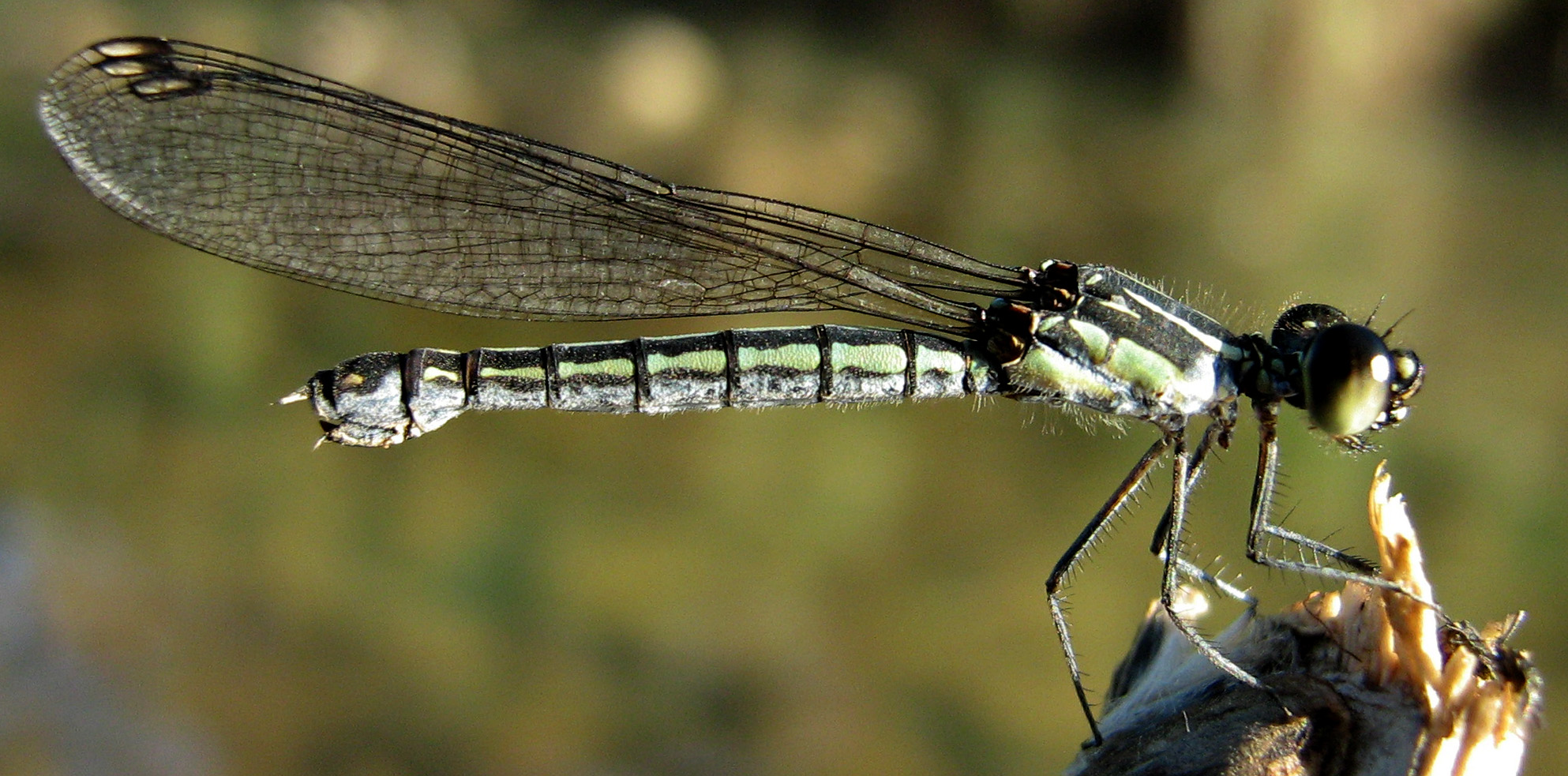
 |
|
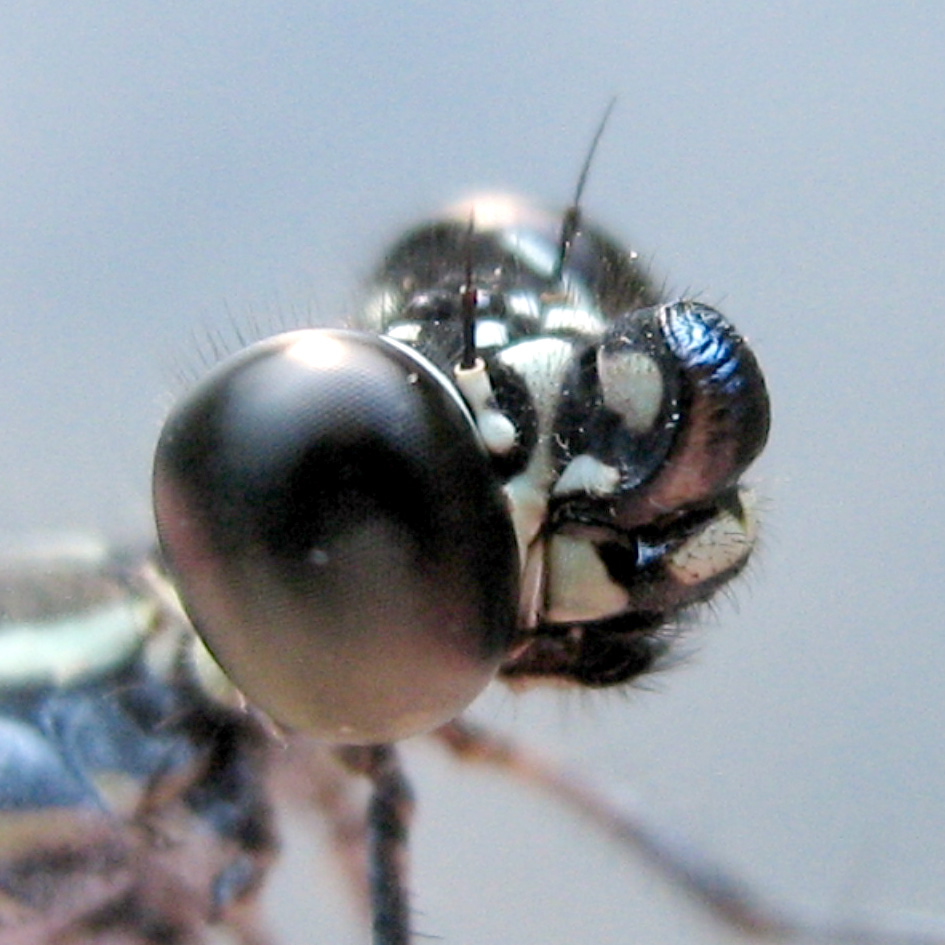
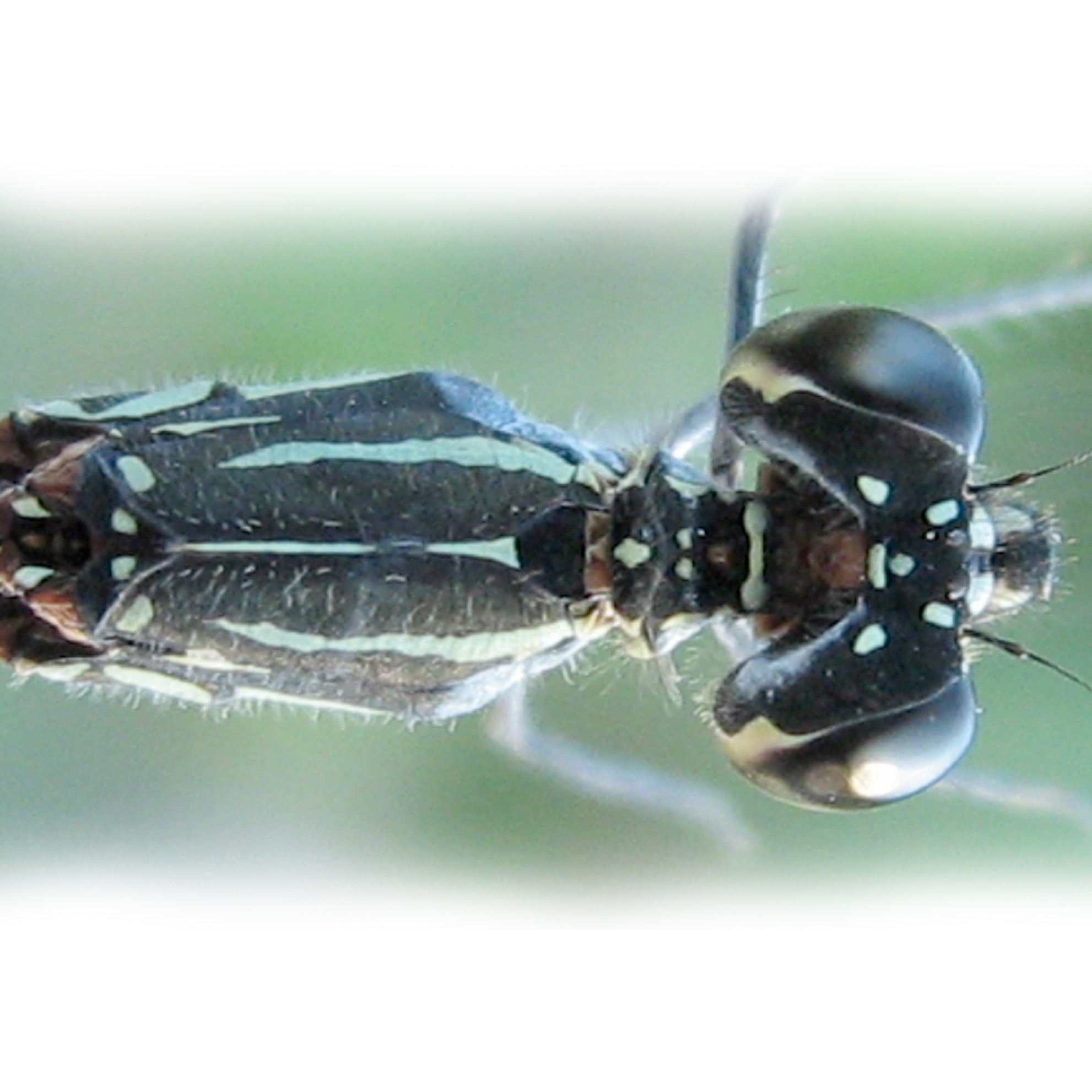
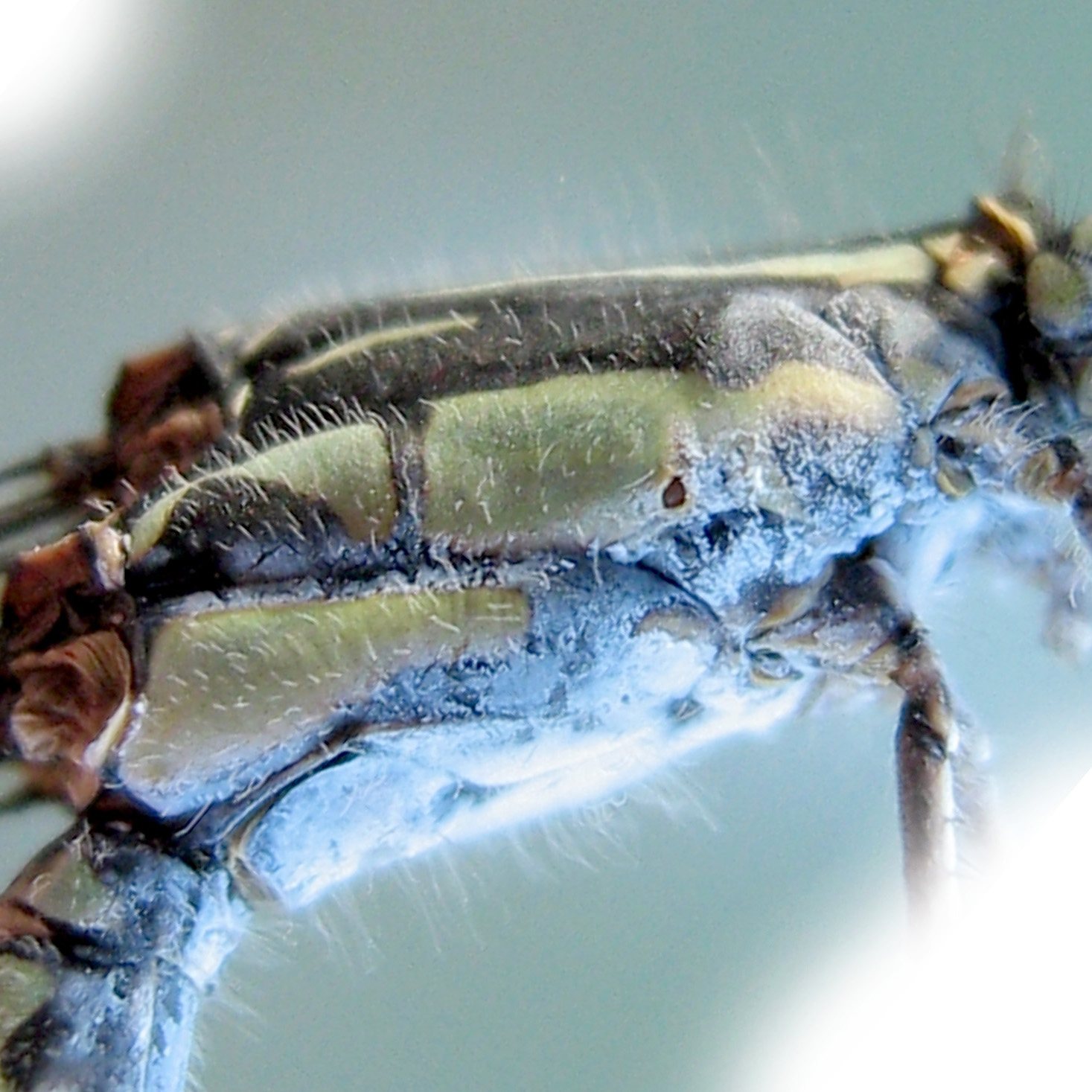
Family: CHLOROCYPHIDAELibellago semiopaca (Selys, 1873) |
||
| Found in Asia: Indonesia, Malaysia | ||
| Sub-Order: ZYGOPTERA | Super-Family: CALOPTERYGOIDEA | Family: CHLOROCYPHIDAE |
|
|
 |
|
 |
|
 |
|
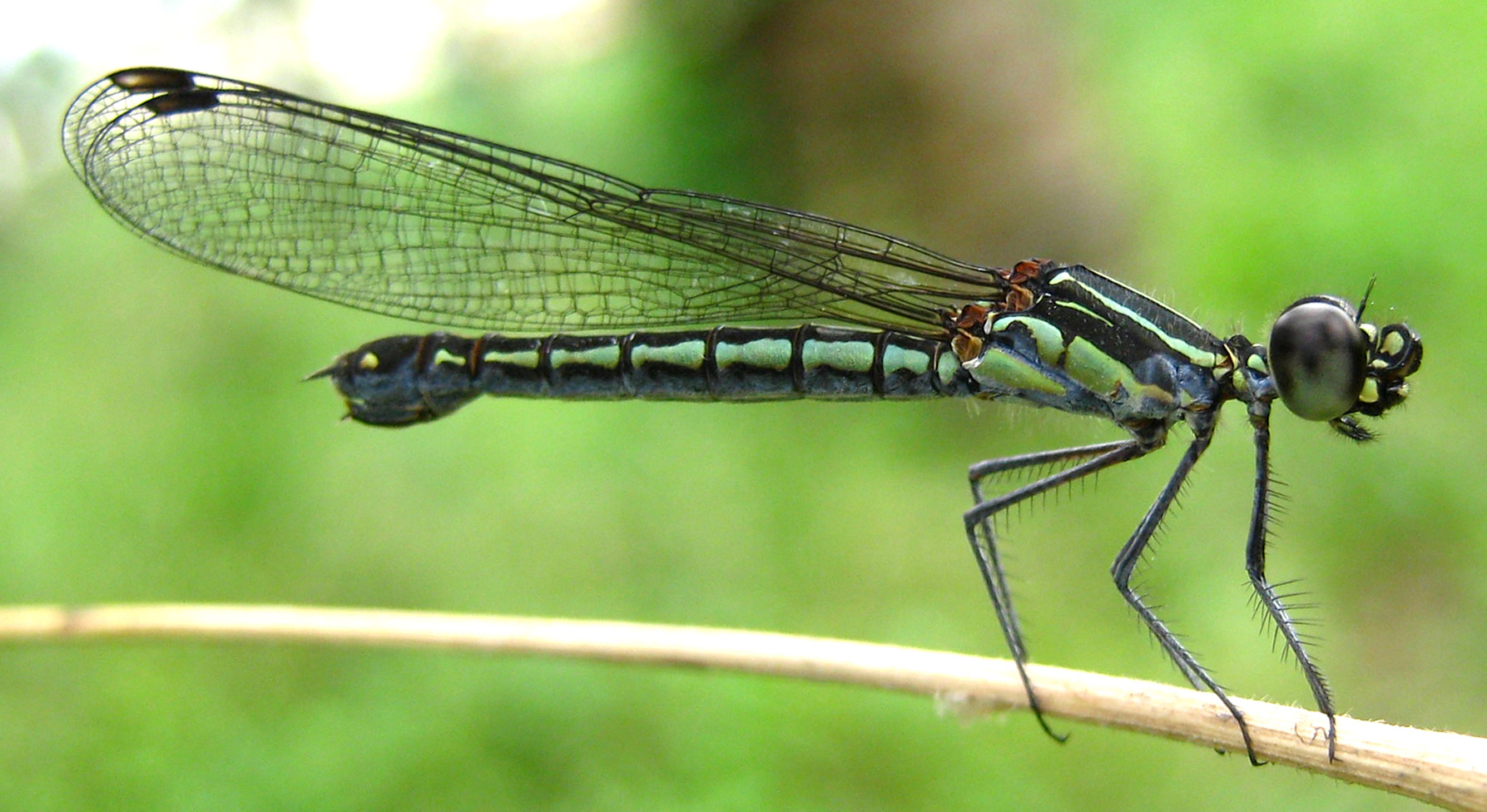
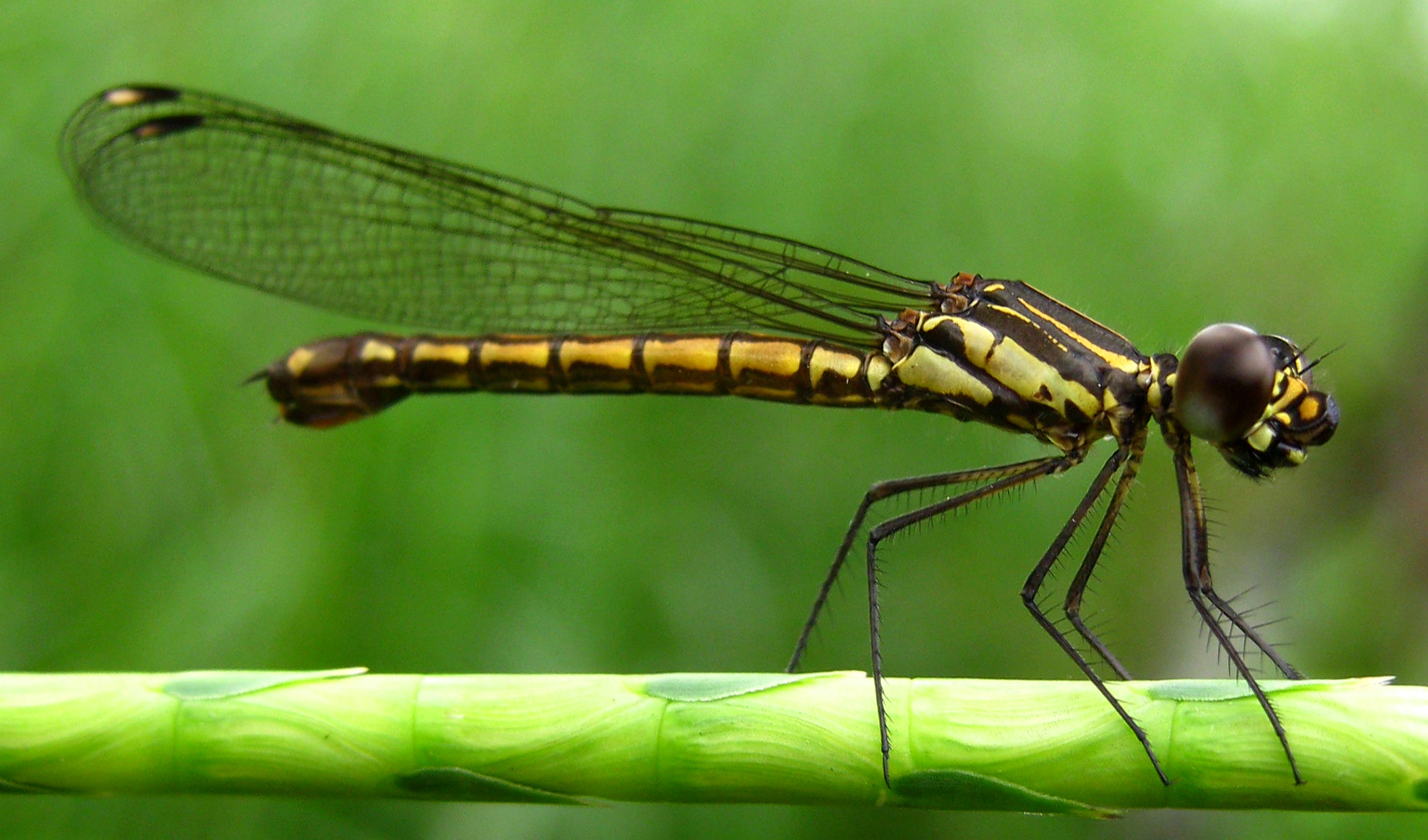
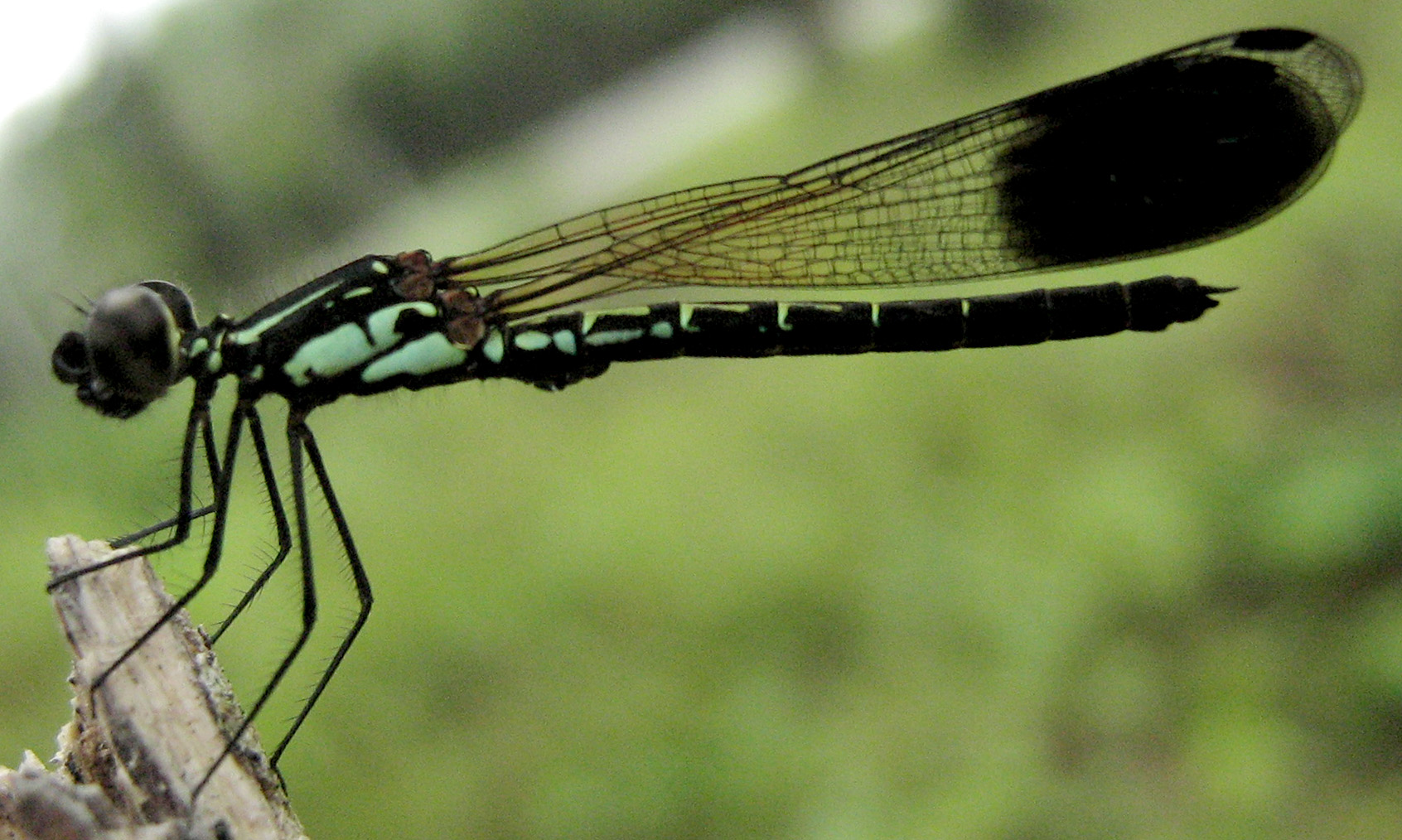
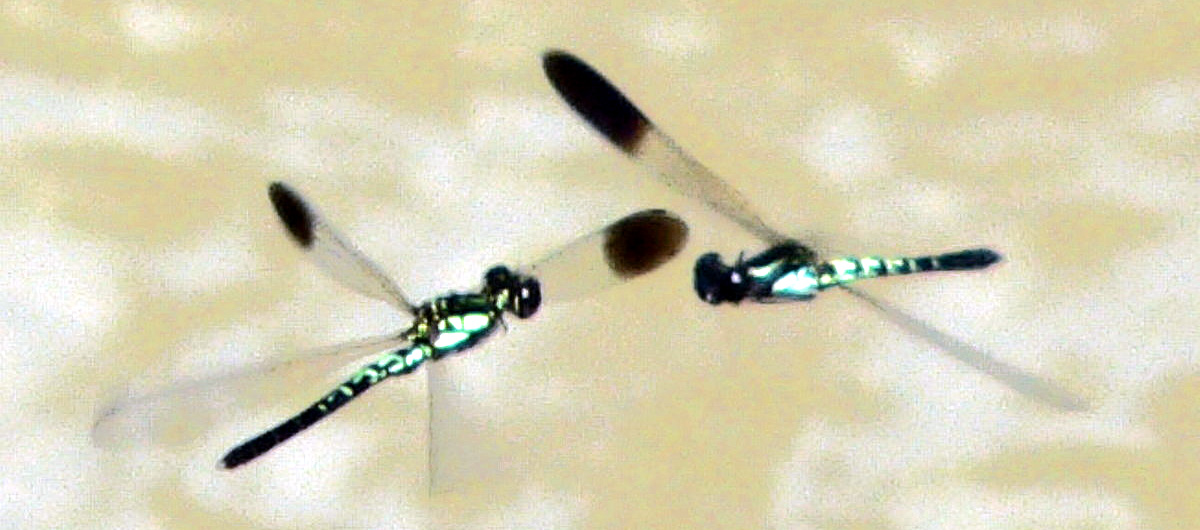
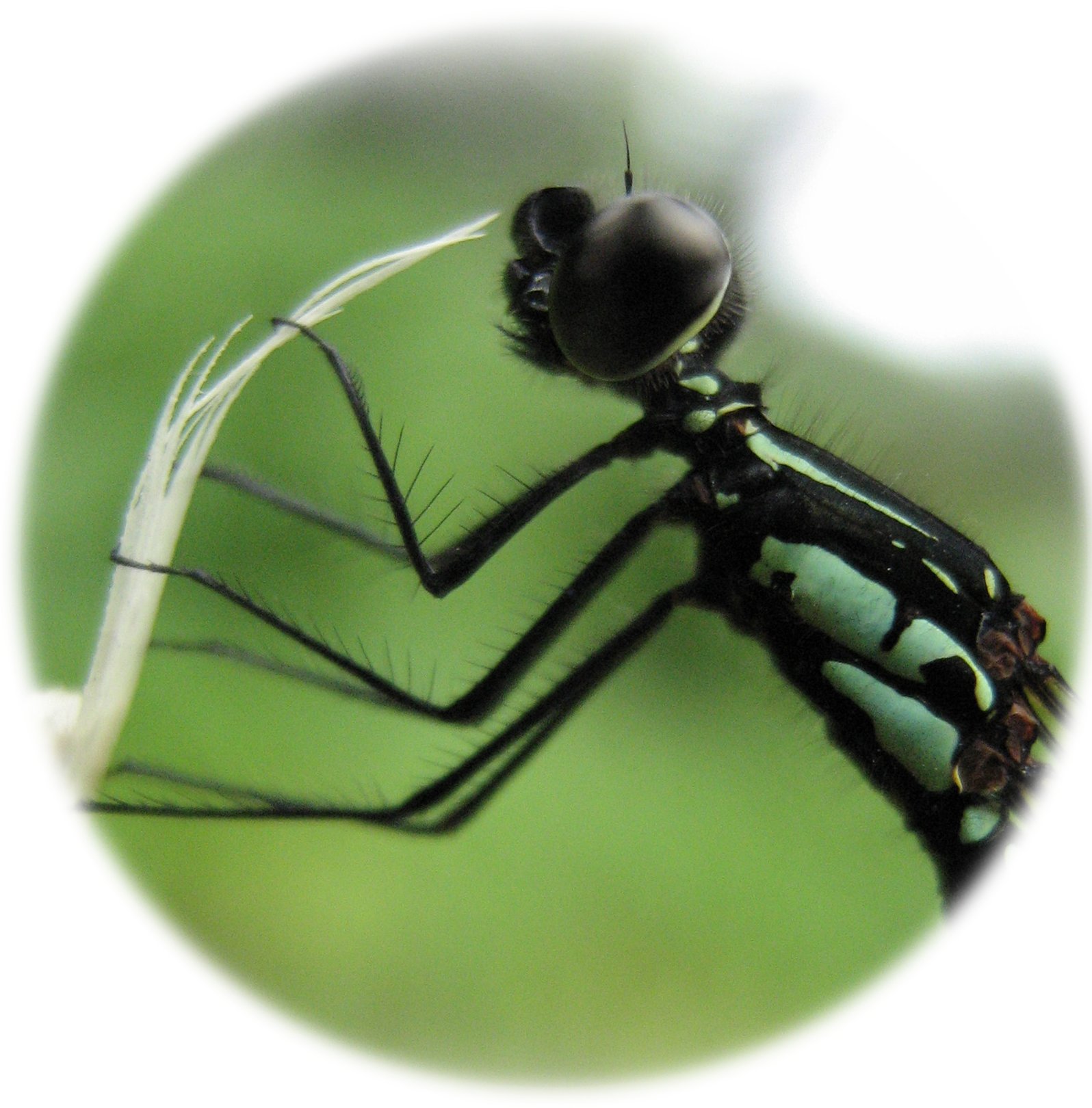
| Although small, Libellago semiopaca is perhaps the most
conspicuous member of the genus. It is brightly marked on the dorsum of the
abdomen with pale green, and the forewings bear broad dark terminal patches
which are used to signal aggressively to other males.
There is a good deal of variation in the extent of the green marking and of the dark patch, but present opinion holds that there is just one species. Males spend many hours in contests facing each other, hovering around almost the same spot. A climactic event in aggressive behavior is the 'stationary-wing display', during which the dominant male flies with his hind wings while holding the dark-tipped forewings outstretched and motionless, facing the opponent. An opponent confronted with this display shows considerable agitation, rocking rapidly from side to side, and often abandons the contest. Courtship too, is often protracted with the male swinging to and fro as close as 10 cm in front of the female. Curiously, the males lack the white coloration on the legs found on other species. During courtship the legs dangle limply below the body rather than being thrust toward the female in display. Almost all females which land in a male's territory and attempt to oviposit are courted vigorously. Following a successful courtship, mating takes place on the log just above the water. The pair remain together for about a minute . Females are guarded while they remain in a male's territory but they often oviposit in groups in company with Rhinocypha species. Females in groups almost never respond to courtship; at this stage they are probably not receptive and courting males become disorientated with respect to which female they have selected. Males also rest on logs near the water while waiting for females, and both sexes often fall prey to Dolomedes spiders . Individuals which escape such depredations may live for about 10-14 days after they commence reproduction, spending their entire life stationed around the same log. Libellago semiopaca is locally common on clear forest streams and near the banks of broad rivers throughout Sundaland. |
 |
|
 |
|
|
INDEX : Damselfly June 30, 2017 06:03:53 PM |
|