1. Introduction
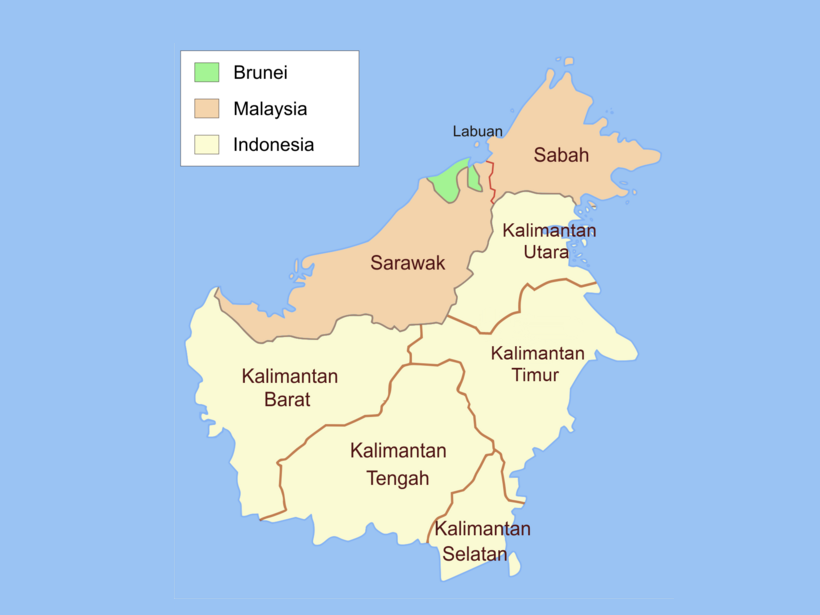
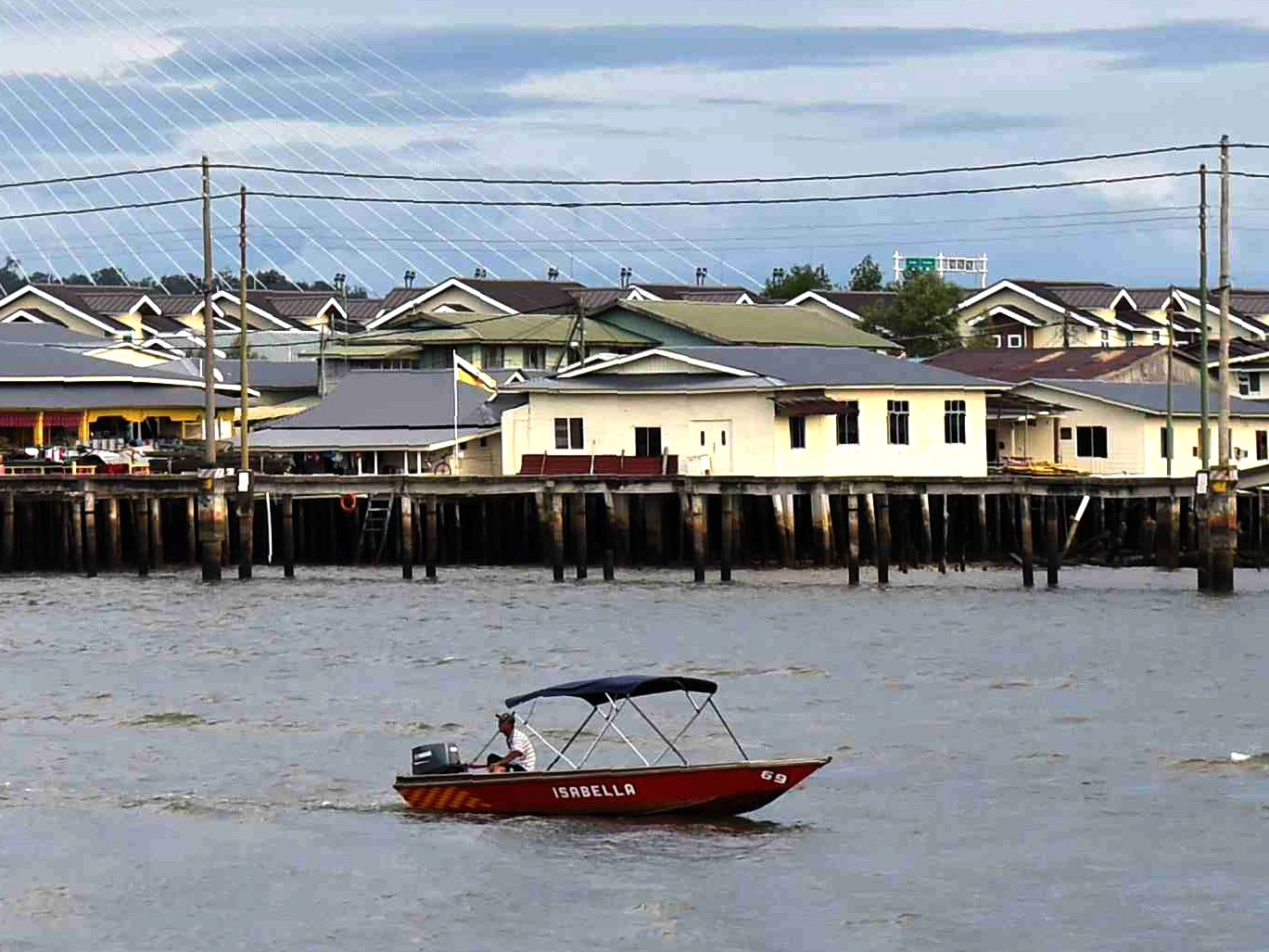
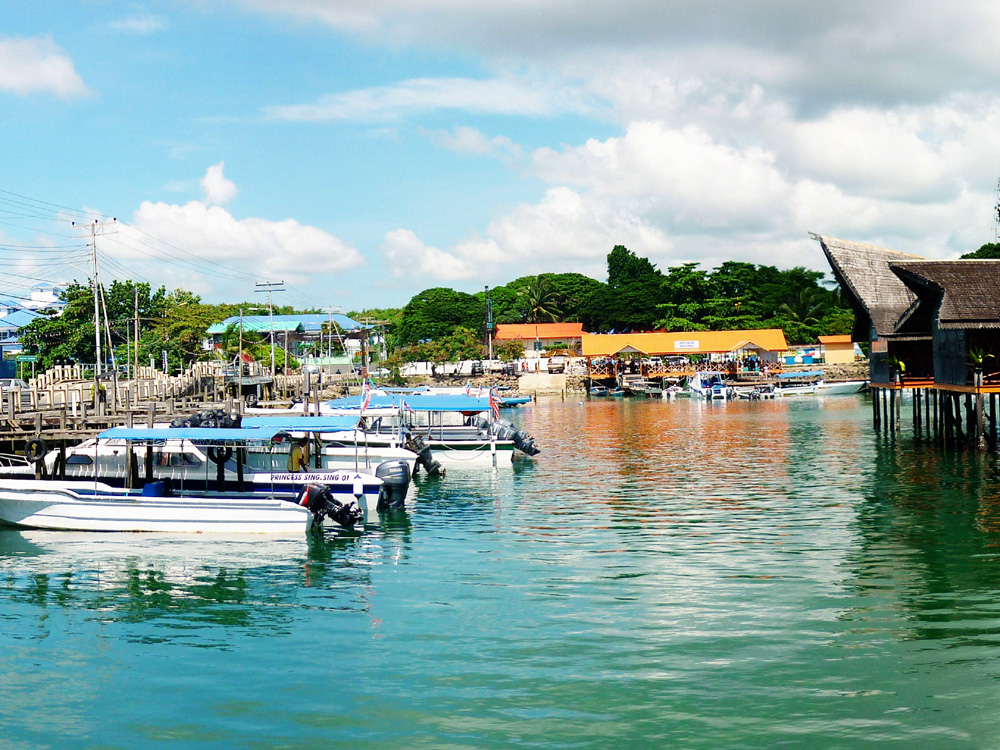
Borneo, the world's third largest island, is shared by three nations: Indonesia, Malaysia, and Brunei. Kalimantan, which makes up nearly three‑quarters of the island, is Indonesia's vast frontier, while Sabah and Sarawak belong to Malaysia, and Brunei sits as a small but influential sultanate. Their relationships are shaped by shared borders, ecological systems, and centuries of cultural exchange.
2. Geography & Borders
Kalimantan stretches across the southern and central parts of Borneo, bordered by Sarawak to the north and Sabah to the northeast. Brunei lies nestled within Sarawak, forming a unique enclave. Border crossings such as Entikong - Tebedu and Nunukan - Sabah are vital gateways for trade and travel. The island's rainforests, rivers, and biodiversity corridors transcend political boundaries, reminding us that nature knows no borders.
3. Historical Ties
Long before colonial powers arrived, Borneo was home to influential kingdoms such as Kutai in East Kalimantan and the Brunei Sultanate. The Dutch colonized Kalimantan, while the British controlled Sabah and Sarawak, and Brunei became a protectorate. After independence, Indonesia, Malaysia, and Brunei charted their own paths, yet their histories remain intertwined through migration, trade, and shared traditions.
4. Economic Relationships
Cross‑border trade is a lifeline for communities along the frontier. Timber, palm oil, fisheries, and consumer goods flow between Kalimantan, Sabah, Sarawak, and Brunei. Labor migration is equally significant, with workers moving across borders for opportunities in plantations, construction, and services. Joint development projects, including energy and port facilities, highlight the economic interdependence of the three regions.
5. Cultural Connections
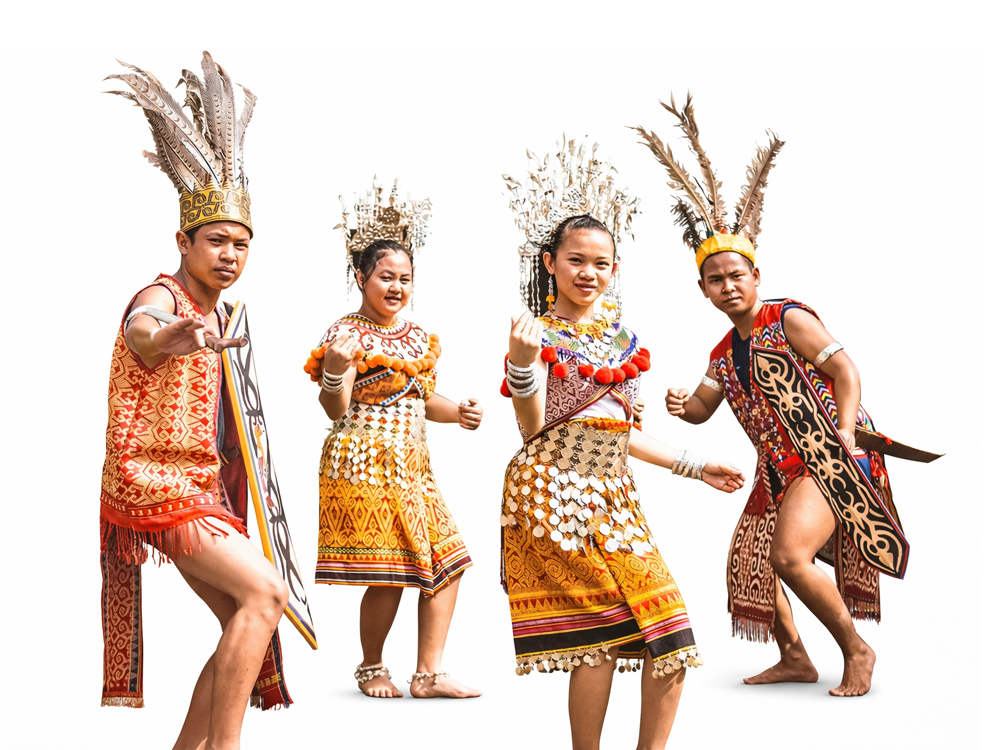
Borneo's peoples are bound by shared heritage. Dayak communities live across Kalimantan, Sarawak, and Sabah, practicing similar rituals and festivals. Banjar traders, Malay families, and Chinese communities maintain networks that cross national lines. Festivals such as Gawai Dayak and Hari Raya Aidilfitri are celebrated across the island, while Malay and Indonesian languages serve as bridges of communication.
Kuntilanak / Pontianak - The Spirit of the Night
Kuntilanak, also known as Pontianak, is a legendary female spirit from Indonesia and Malaysia. Said to be the ghost of a woman who died in childbirth, she appears in white, lures victims with floral scents or infant cries, and haunts forests, villages, and riverbanks.
6. Political & Diplomatic Relations
Indonesia, Malaysia, and Brunei cooperate through ASEAN frameworks, focusing on border security, trade, and environmental protection. Agreements on cross‑border movement and conservation reflect a commitment to regional stability. The "Heart of Borneo" initiative, jointly managed by the three nations, aims to preserve one of the world's richest rainforests.
7. Pan Borneo Highway Project
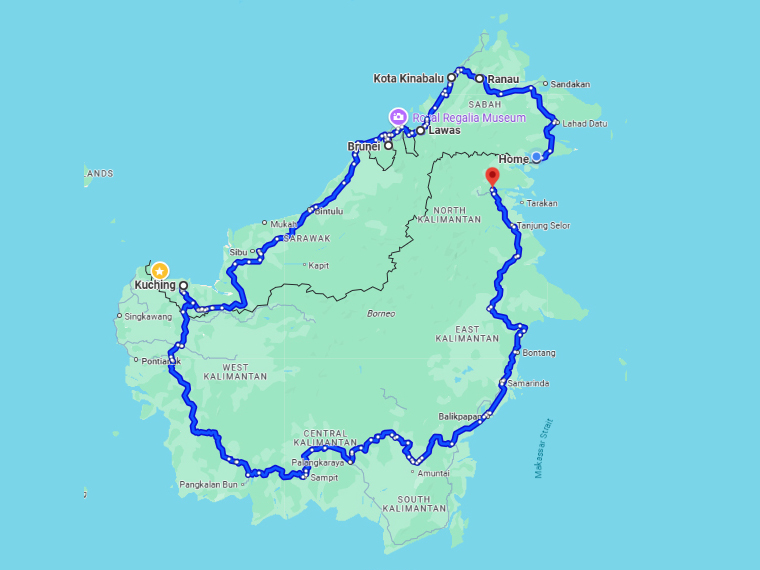
The Pan Borneo Highway is a landmark infrastructure project spanning Sabah, Sarawak, Brunei, and parts of Kalimantan. Designed to improve connectivity, it links towns, ports, and border crossings, reducing travel time and boosting commerce. The highway is more than asphalt—it is a symbol of integration across Borneo.
8. Impact of Pan Borneo Highway
The highway promises faster logistics, expanded tourism, and stronger cross‑border trade. Families will find it easier to connect, and cultural exchange will flourish as mobility increases. Yet development must balance environmental concerns, ensuring that rainforests and wildlife corridors are protected. The Pan Borneo Highway embodies the vision of a modern, connected island.
9. Eco‑Tourism in Borneo Island
Borneo's rainforests, rivers, and indigenous villages offer unique eco‑tourism experiences. Visitors trek through jungles, cruise along rivers, and stay in community‑run homestays. Eco‑tourism provides livelihoods while encouraging conservation, allowing Kalimantan, Sabah, Sarawak, and Brunei to showcase their natural and cultural treasures responsibly.
10. Wildlife of Borneo Island
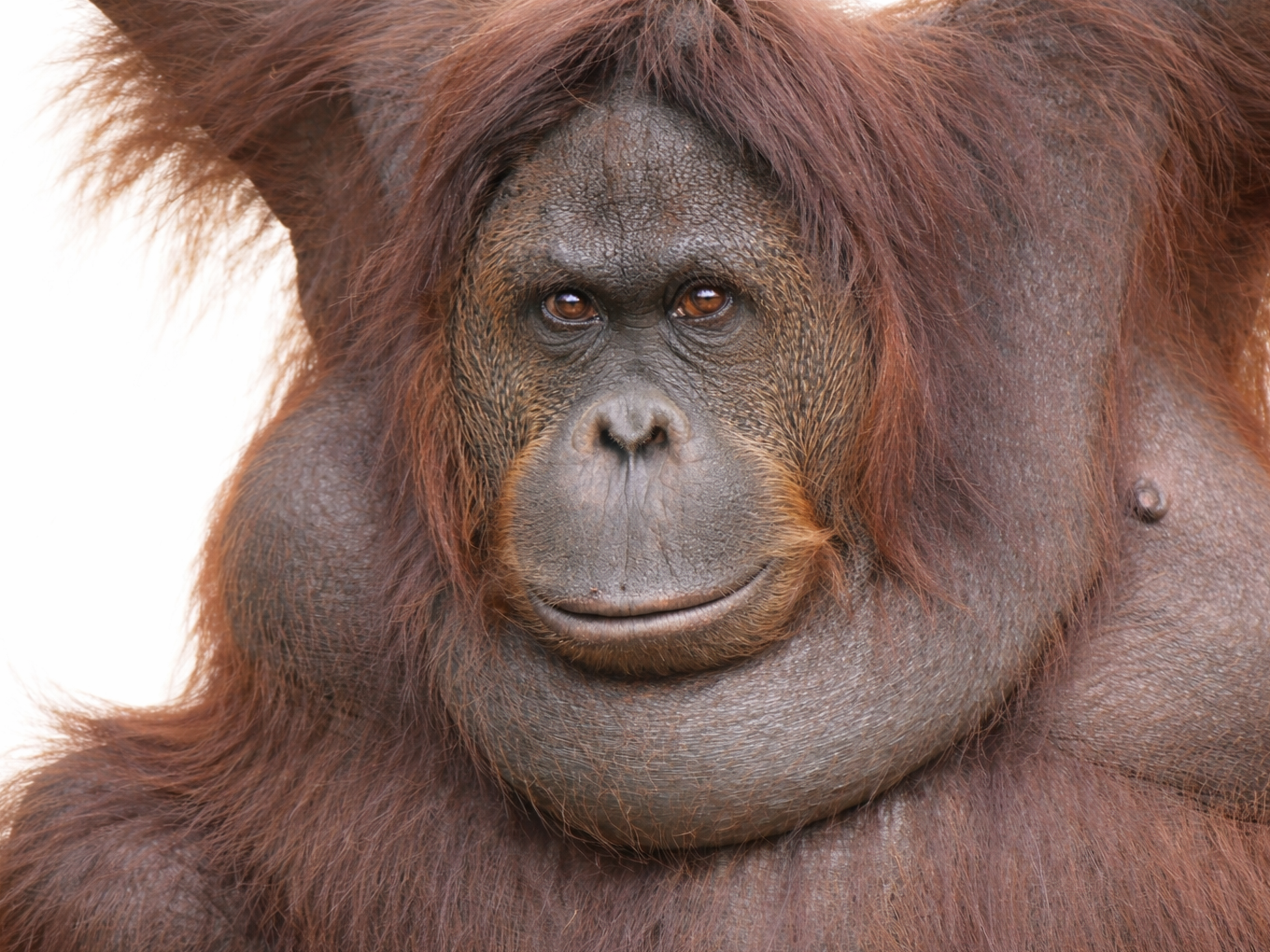
Borneo is home to iconic species found nowhere else: orangutans swinging through treetops, proboscis monkeys along mangrove rivers, pygmy elephants roaming forests, and hornbills soaring overhead. Conservation challenges include deforestation, habitat fragmentation, and illegal wildlife trade. Cross‑border collaboration is essential to protect these species and maintain wildlife corridors that span the island.
11. Future Outlook
Nusantara, Indonesia's new capital in East Kalimantan, will reshape regional dynamics, creating new opportunities for cooperation with Brunei and Malaysia. Eco‑tourism, education, and cultural exchange will grow alongside infrastructure projects. The vision for Borneo is a connected, sustainable island where nations work together to preserve heritage and build prosperity for future generations.
12. Photo Gallery