National Museum
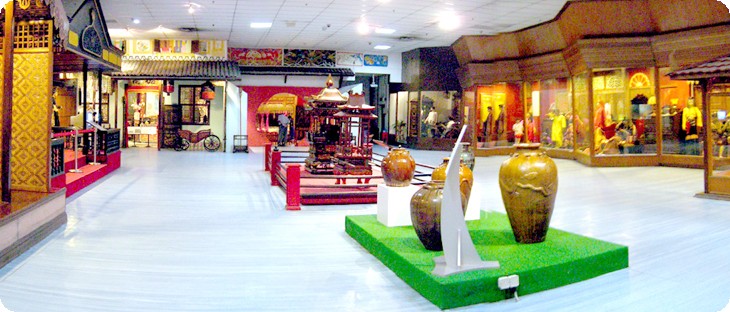
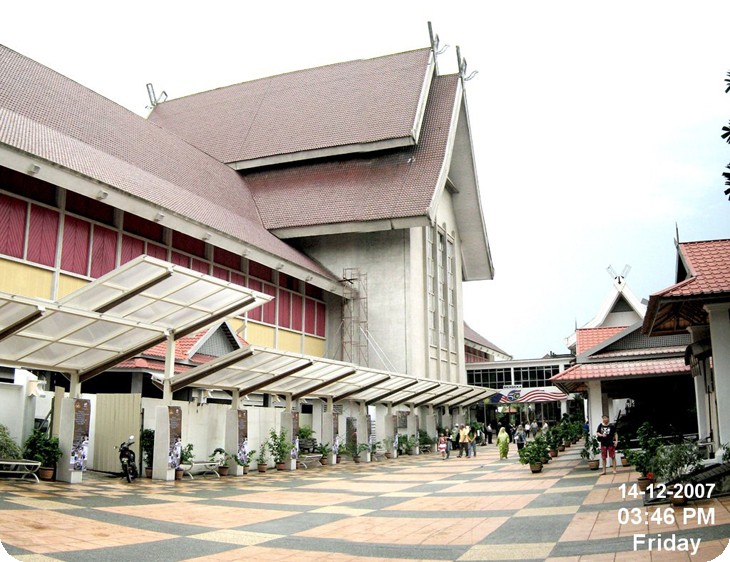
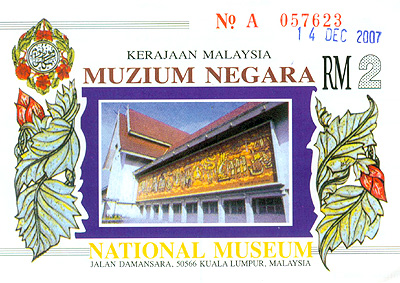
| The National Museum of Malaysia ( Muzium Negara) is located outside Perdana Lake Gardens in Kuala Lumpur, Malaysia. A palatial structure built in the style of Minangkabau architecture. The museum provides an interesting introduction to the history and culture of Malaysia. Set amongst its neighborhood of historical buildings and romantic parkland, it was built in the style of a Rumah Gadang. The museum building presents a panoramic view of the development of Malaysia, as depicted by the two large murals of Italian glass mosaic which extend across the Museum’s facade. Muzium Negara opened on 31 August 1963, is a repository of Malaysia’s rich cultural and historical heritage. Muzium Negara is a three storied structure of 109.7 meters long and 15.1 meters wide and 37.6 meters at the central point. The museum houses four main galleries specializing in ethnology and natural history. The displays range from free-standing tableaux showing traditional cultural events like weddings, festivals and beautiful costumes; to the rich variety of weapons, musical instruments, arts and crafts, precious ceramics, and flora & fauna. |
|
|
|
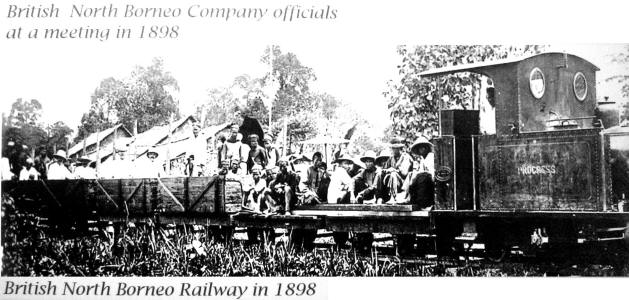
| It was the site of the former Selangor Museum built by the British
and Selangor governments in 1898 following the formation of Federated Malay
States in 1896. Sadly, during end of World War II, the right wing of museum was
suddenly bombed and destroyed by the US B29 bomber, from the Allied Forces in 10
March 1945. After the Second World War, the left wing of Selangor Museum was still in use as a historical site. After Federation of Malaya achieved its independence on 31 August 1957, the federal government decided to build the national museum at the old site of Selangor Museum. Construction began in 1959 and completed in 1963. Muzium Negara was officially opened on August 31, 1963 |
| Displays and exhibits in the museum focus on local history, culture and
traditions, arts and crafts, economic activities, local flora and fauna, weapons
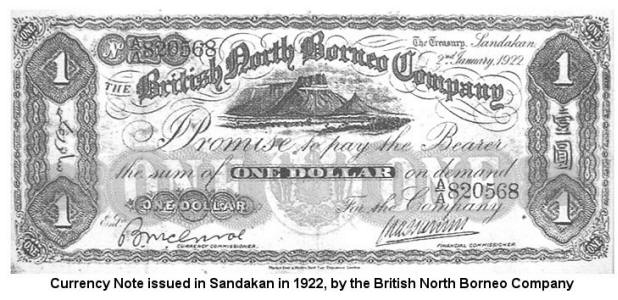
and currency. The museum houses various galleries, each with its own theme. The ground floor showcases the geographic and natural history of the Malay peninsula starting with the stone, bronze and Iron Age. The proto-Malay states of Ganga Negara and Majapahit are touched upon, as well as the later Muslim Sultanate of Malacca and the various states of Malaysia. The second floor is dedicated to the colonial history leading all the way to Independence. Exhibited are copies of the royal headgear of Malay rulers. Central Hall Adorning the floor of the Central Hall are blue geometric-design mosaic tiles from Pakistan, with intricate carved panels on the ceiling of the hall. The Central Hall houses temporary exhibitions. The matic and special exhibitions are held at this hall at intervals to promote an awareness of the country’s diverse culture and heritage. Exhibitions of international flavors are held occasionally. Some of the exhibitions been held at this hall included ‘The Islamic Civilization’, ‘Our King’, ‘The World of Flowers’, ‘Durian King of Fruits’, ‘Masks from Sarawak’, ‘World Currency’, ‘Islamic Frontiers of China’, ‘American Frontiers’, and ‘Religious Architecture from the Netherlands‘. |
| In close proximity to the museum building, there are a number of outdoor
displays of transportation in Malaysia, past and present. An interesting exhibit
is the Melaka Bullock Cart which closely resembles the early American
horse-drawn wagon. Of unparalleled interest are the Steam Locomotive made by
Kitson & Co, England, which was put into service in 1921 until it ceased
operation in 1969. It covered 1.5 million rail miles; a Tin Dredge which
resembles a floating factory, on a natural or artificial lake. A major
achievement of Malaysia is the manufacture of the first national car – the
Proton Saga 1.3 litre, on 18 April 1985. The Muzium Negara also holds regular thematic exhibitions featuring specific aspects of life and culture from all over the world. |
Galleries include the National Sports Gallery and the Natural History Gallery.
| Istana Satu Istana Sat Another attraction of the Museum is an original-size old Terengganu timber palace known as Istana Satu. It was erected by Sultan Zainal Abidin III, Sultan of Terengganu in 1884 in the compound of Kota Istana Maziah, Kuala Terengganu. This building is of Terengganu Malay traditional architecture, in the form called "Rumah Tiang Dua Belas". The wood used is cengal. Istana Satu was erected in the Muzium Negara compound in April 1974. Rich Malay craftsmanship is evident throughout the palace, from the intricate wood carvings that adorn doors and windows. The restored palace is a charming wooden house designed for the tropics. Standing on stilts that allow air to circulate freely under the building, the palace’s steep thatch roof contributes further to keeping the interior of the house nice and cool. Standing majestically next to the Istana Satu are two keliriengs or burial poles. A kelirieng is made of a huge hardwood tree trunk, carved from the top to bottom. Niched up to its sides is a space for the bodies of slaves and followers and hollowed at the top to place the jar containing the chief’s bones. |
 |
|
INDEX : Kuala Lumpur City 4 September 2008 November 23, 2013 10:29:16 AM |
|