
Borneo Pygmy Elephant
The Borneo pygmy elephant (Elephas maximus borneensis) is not a spectacle for tourists alone - it is a neighbor, a living presence in the forests, rivers, and valleys of Tawau and the East Coast of Sabah. Their survival is intertwined with ours: when elephants thrive, forests remain healthy, rivers flow clean, and communities benefit from balanced ecosystems.

The Borneo pygmy elephant is the largest land animal in Sabah, yet it is known for its gentle temperament and strong family bonds. Unlike the towering African bush elephant, these elephants are smaller, softer in demeanor, and uniquely adapted to Borneo's rainforest environment.
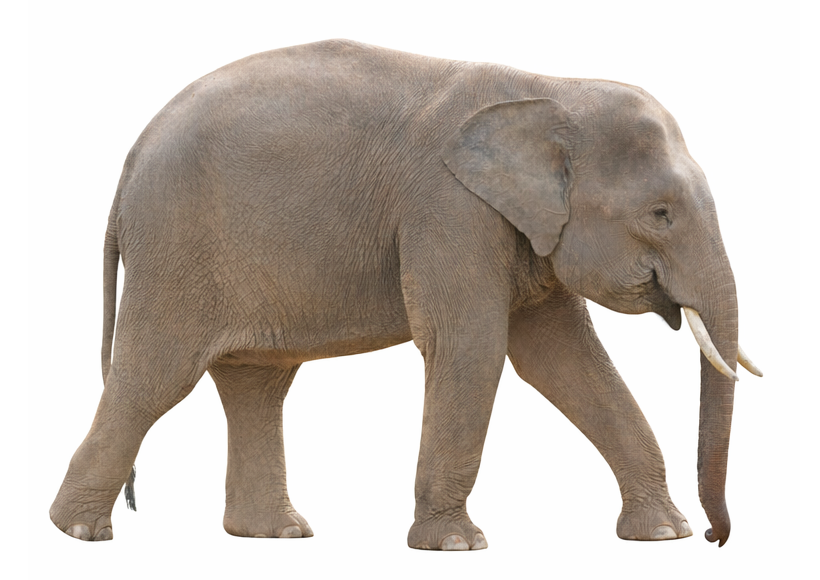
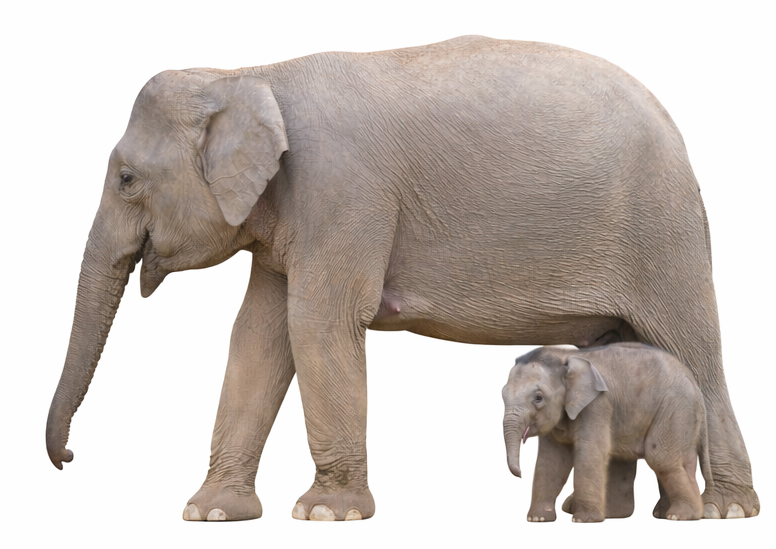
As "ecosystem engineers," elephants disperse seeds, open pathways, and maintain biodiversity. Protecting them means safeguarding the entire rainforest web of life.
| Feature | Borneo Pygmy Elephant | African Bush Elephant |
|---|---|---|
| Size | Smaller (avg. 8 ft, 6,000 lbs) | Largest land animal (13 ft, 14,000 lbs) |
| Range | Endemic to Borneo | Found across Africa |
| Tusks | Straighter, shorter | Curved, longer |
| Tail | Longer, often touches ground | Shorter |
| Temperament | Gentle, docile | More assertive |
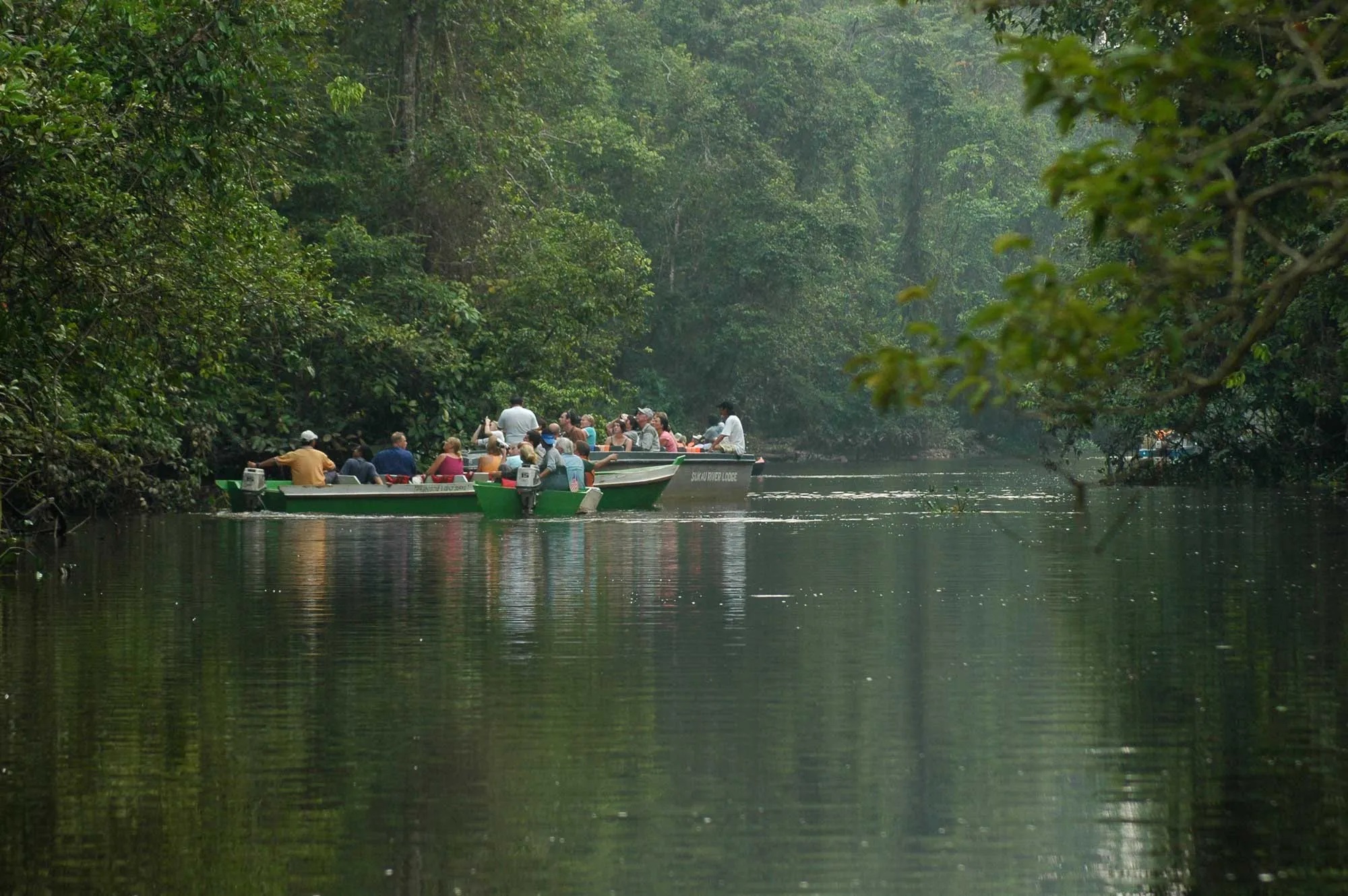
The Kinabatangan River is one of Sabah's most famous wildlife corridors, stretching 560 km and offering frequent sightings of Borneo pygmy elephants along its banks. From Tawau Airport, the journey is long but rewarding. By road, it takes about 7 - 8 hours (roughly 400 km) via Lahad Datu and Sukau. Travelers usually hire private cars, vans, or join organized tours that include transfers. Another option is to fly from Tawau to Sandakan (about 1 hour) and then drive 2 - 3 hours to Sukau, the main gateway to Kinabatangan lodges. The river is best explored by boat, with dawn and dusk cruises offering the highest chances of seeing elephants, proboscis monkeys, and hornbills. The area is well-developed for eco-tourism, with lodges and homestays along the river. Despite its popularity, the Kinabatangan remains a living landscape where elephants move freely, often crossing plantations and villages. Visitors are reminded to treat sightings as encounters with wild neighbors, not staged attractions.

The Kalabakan - Sapulut corridor lies southwest of Tawau, forming part of the elephant movement route between Sabah's east and interior. From Tawau Airport, Kalabakan town is about 2 - 3 hours' drive (120 km) along the Kalabakan Road, which has improved in recent years. Sapulut lies further inland, requiring another 3 - 4 hours by 4WD through forested terrain. This area is less visited by tourists and more known to researchers and plantation workers, as it is both a vital corridor and a conflict hotspot. Elephants here often cross oil palm estates, leading to crop damage and tense encounters with communities. NGOs and government agencies are active in Kalabakan, working on conflict mitigation, fencing, and reforestation projects. For visitors, access is usually through guided research trips or conservation programs rather than casual tourism. The landscape is rugged, with rolling hills, rivers, and secondary forest patches. Travelers should be prepared for basic facilities and long drives, but the reward is witnessing elephants in one of their most critical, contested habitats.
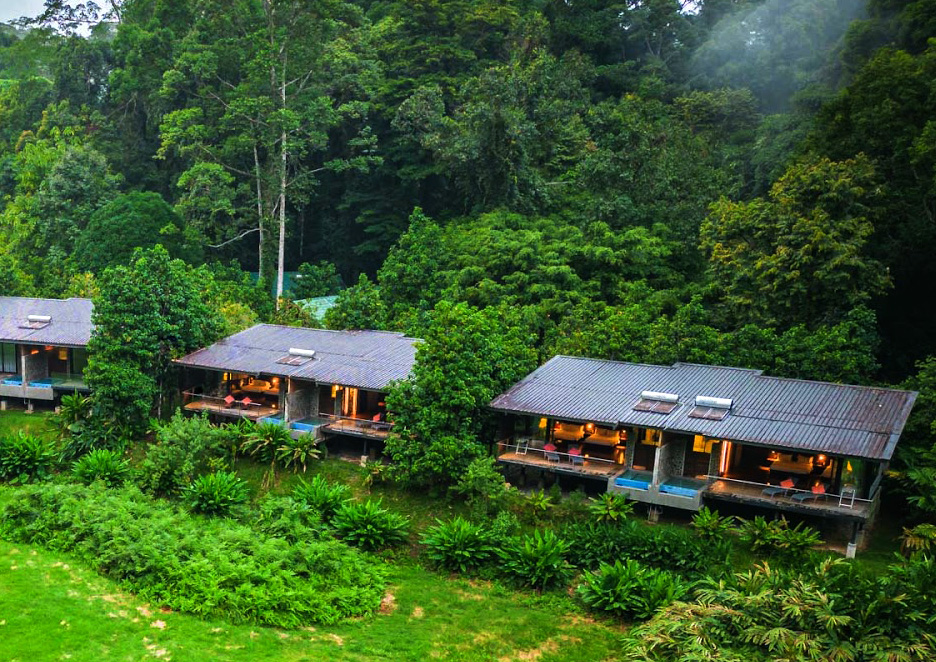
The Borneo Rainforest Lodge in Danum Valley Conservation Area is one of Sabah's premier eco-lodges, offering luxury stays deep in primary rainforest. From Tawau Airport, the journey takes about 4 - 5 hours by road (roughly 120 km). Visitors typically travel via Lahad Datu, where lodge transfers are arranged. The road into Danum Valley is unpaved and requires 4WD vehicles, adding to the sense of adventure. Along the way, travelers pass through logged forest and plantations before entering pristine rainforest. Elephants occasionally wander near the lodge, especially along the Danum River, though sightings are not guaranteed. The lodge offers guided treks, canopy walks, and night safaris, making it a hub for wildlife encounters. Unlike Kinabatangan, Danum Valley emphasizes conservation and research, with limited visitor numbers to reduce impact. Staying here allows guests to experience elephants as part of a living ecosystem, alongside orangutans, gibbons, and countless bird species. Accessibility is relatively straightforward compared to Kalabakan, but advance booking is essential due to limited capacity.
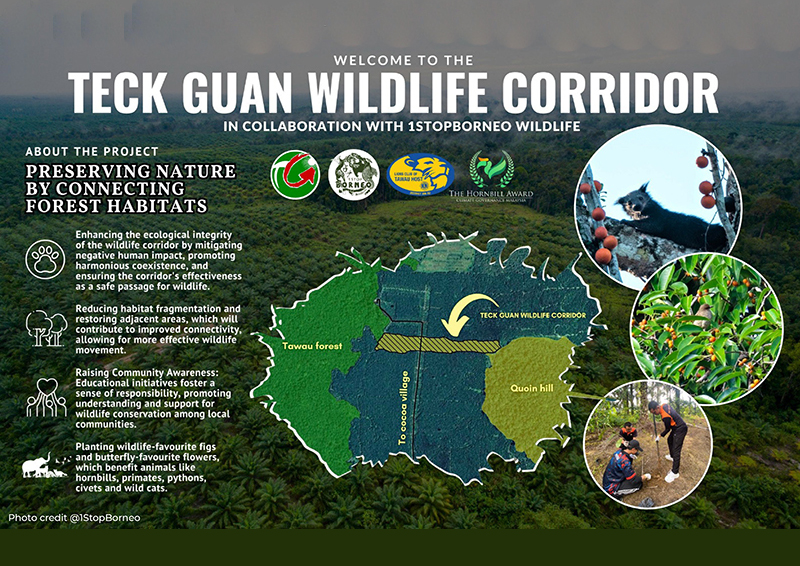
Around Tawau and Lahad Datu, several plantations have partnered with NGOs to create conservation corridors - strips of forest that allow elephants to move safely between habitats. These corridors are often located within oil palm estates, making them unique examples of coexistence between agriculture and wildlife. From Tawau Airport, most plantation corridors are within 1 - 2 hours' drive, depending on the estate. Access is usually restricted to researchers, NGO staff, or special visitors, though some community programs allow guided visits. Getting there involves driving along plantation roads, often requiring permission from estate management. Corridors are marked by reforested strips, river buffers, or fenced pathways designed to reduce human - elephant conflict. Tree-planting projects are ongoing, with local communities and schools sometimes involved. For elephants, these corridors are lifelines, reconnecting fragmented forests and reducing the risk of dangerous encounters. Visitors who join conservation programs can witness firsthand how coexistence is being built, not through tourism infrastructure, but through practical, living landscapes where elephants and humans share space.
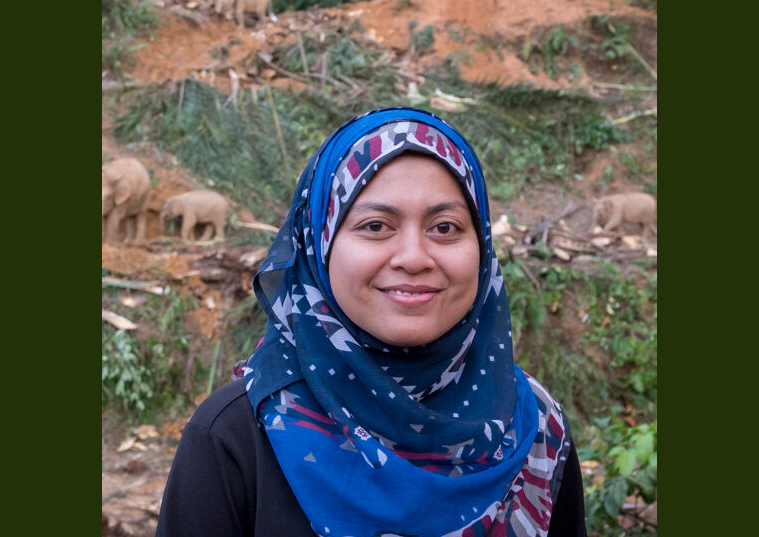
Seratu Aatai, founded by Dr. Nurzhafarina Othman, is a local NGO dedicated to fostering coexistence between elephants and people in Sabah. The name "Seratu Aatai" means solidarity in the Sungai language, reflecting its mission to build harmony between communities and wildlife. Their projects focus on human - elephant conflict mitigation, including community dialogues, participatory mapping of elephant movement routes, and promoting non-lethal deterrents to reduce crop damage. They also run education and awareness programs, helping rural communities understand elephant behavior and the ecological importance of these gentle giants. Seratu Aatai emphasizes empowering local voices, encouraging farmers, youth, and indigenous groups to take part in conservation. By combining science with grassroots engagement, the NGO has become a bridge between policy makers, researchers, and villagers, ensuring that conservation strategies are practical and culturally sensitive.

WWF-Malaysia plays a leading role in protecting Borneo pygmy elephants by advocating for forest corridor protection and community-based conservation. Their projects include mapping and securing critical elephant movement routes, especially in the Kinabatangan and Tawau - Kalabakan landscapes, where fragmentation threatens herds. WWF works with government agencies to integrate elephant conservation into land-use planning, ensuring that plantations and infrastructure projects do not sever migration paths. They also support the Bornean Elephant Action Plan, which outlines strategies for population monitoring, habitat restoration, and conflict reduction. On the ground, WWF engages local communities in reforestation, riverbank protection, and eco-tourism initiatives that provide alternative livelihoods. Their advocacy extends to policy, pushing for stronger enforcement against poaching and better management of protected areas. By linking conservation with economic benefits, WWF-Malaysia frames elephant survival as essential not only for biodiversity but also for Sabah's cultural identity and sustainable development.

Borneo Wildlife Preservation (BWP), founded by Katerina Pirelli, runs Project EcoFarm and supports the Borneo Elephant Sanctuary (BES) in Kinabatangan. Project EcoFarm focuses on habitat restoration and reforestation, purchasing degraded land and replanting native species to re-establish elephant migration routes. It also integrates community farming, teaching sustainable practices that reduce conflict with wildlife. The Borneo Elephant Sanctuary, developed with the Sabah Wildlife Department and Borneo Conservation Trust, provides refuge for elephants injured or displaced by human - elephant conflict. Covering about 12 square kilometers, BES serves as a rehabilitation and research hub, caring for sick elephants while promoting long-term conservation strategies. BWP collaborates with local NGOs, schools, and plantations to raise awareness and involve communities in conservation. Their holistic approach combines science, education, and grassroots action, ensuring that elephants are not isolated in reserves but connected through living corridors across Sabah's East Coast.
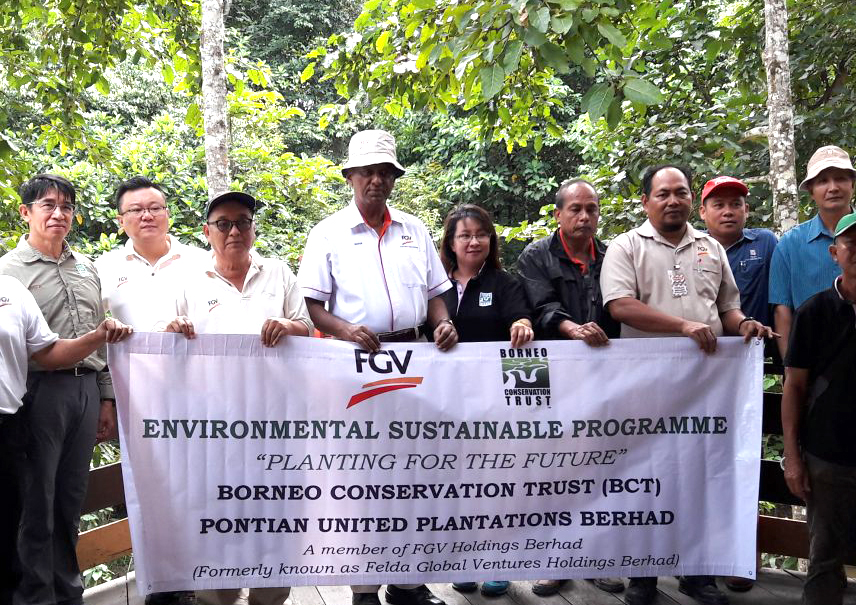
The Borneo Conservation Trust (BCT) is a Sabah-based NGO that works closely with plantations and communities to secure elephant corridors. Their flagship project, the Melapi Corridor in Sukau, demonstrated that even a 50-meter-wide strip of forest can reconnect fragmented habitats, allowing herds to migrate safely. BCT also collaborates with estates to establish feeding zones, planting Napier grass and other crops to divert elephants away from villages and reduce conflict. Recently, the Lower Kinabatangan Elephant Food Corridor Project was launched, funded by Japanese partners, to create sustainable feeding areas along key migration routes. BCT's work emphasizes partnership: they engage plantation owners, government agencies, and international donors to balance economic development with conservation. By restoring connectivity, BCT ensures elephants can move between forests without being trapped in isolated patches, safeguarding both their survival and the ecological health of Sabah's East Coast.
| NGO | Key Projects | Unique Contributions |
|---|---|---|
| Seratu Aatai Human - elephant conflict mitigation & community engagement |
- Participatory mapping of elephant routes - Non-lethal deterrent programs - Education & awareness campaigns |
Founded by Dr. Nurzhafarina Othman; emphasizes grassroots involvement and cultural sensitivity, bridging science with local voices. |
| WWF-Malaysia Forest corridor protection & policy advocacy |
- Mapping & securing migration corridors - Bornean Elephant Action Plan - Community reforestation & eco-tourism |
Strong policy influence; integrates elephant conservation into land-use planning and links biodiversity with sustainable development. |
| Borneo Wildlife Preservation (BWP) Habitat restoration & sanctuary support |
- Project EcoFarm (reforestation + sustainable
farming) - Support for Borneo Elephant Sanctuary (BES) |
Founded by Katerina Pirelli; combines rehabilitation with reforestation, ensuring elephants are connected to living landscapes. |
| Borneo Conservation Trust (BCT) Corridor creation & plantation partnerships |
- Melapi Corridor in Sukau - Lower Kinabatangan Elephant Food Corridor - Feeding zone projects with plantations |
Pioneers in working directly with estates to restore connectivity; practical solutions like food corridors reduce conflict. |
Protecting the Borneo pygmy elephant is not about tourism - it is about coexistence. They are our forest neighbors, guardians of biodiversity, and living heritage of Sabah.
11/01/2026 07:31:13 PM