Teck Guan Cocoa Village
"Where the rich volcanic soil of Quoin Hill yields Malaysia's finest cocoa, a family's passion for chocolate has transformed a plantation into a living museum of Sabah's sweetest heritage."
The Chocolate Heart of Sabah
Nestled on the fertile volcanic slopes of Quoin Hill, Tawau, Teck Guan Cocoa Village stands as a testament to Malaysia's once-thriving cocoa industry. Established in 2002 on land that has cultivated cocoa since 1957, this unique destination offers visitors an immersive journey through the lifecycle of chocolate - from bean to bar, and beyond.
Once a major contributor to Malaysia's position as one of the world's top cocoa producers in the 1980s, today Teck Guan has transformed from a commercial plantation into an educational and cultural heritage site. With much of Sabah's cocoa land converted to oil palm, this village preserves the knowledge, flavors, and stories of an industry that once defined the region's agricultural identity.

The Amelonado Legacy: Sabah's Chocolate Gold
Teck Guan's distinction lies in its cultivation of Amelonado cocoa - a fine-flavored variety considered the "champagne of cocoa beans." Unlike commercial hybrids, Amelonado requires specific volcanic soil conditions found only in select areas of Sabah.
Since 1957, the Hong Teck Guan family has perfected the cultivation of these temperamental beans, becoming Malaysia's largest and most successful Amelonado producer. While other plantations attempted and failed, Teck Guan's mastery of grafting techniques and volcanic soil management created a cocoa legacy that continues today.
Why Amelonado Matters
With flavor notes of cherry, raisin, and subtle spices, Amelonado beans produce chocolate with exceptional complexity. Their cultivation represents not just agricultural success, but the preservation of genetic diversity and traditional knowledge in an industry increasingly dominated by high-yield, low-flavor varieties.
Cocoa Characteristics
- Volcanic Soil Advantage: Rich minerals from ancient eruptions
- Grafting Expertise: Accelerated fruiting through traditional techniques
- Natural Fermentation: 7-day process developing complex flavors
- Sun Drying: Traditional drying preserving bean quality
- Small Batch Processing: Artisanal approach ensuring excellence
- Traceability: Single-estate beans from tree to chocolate
From Plantation to Experience
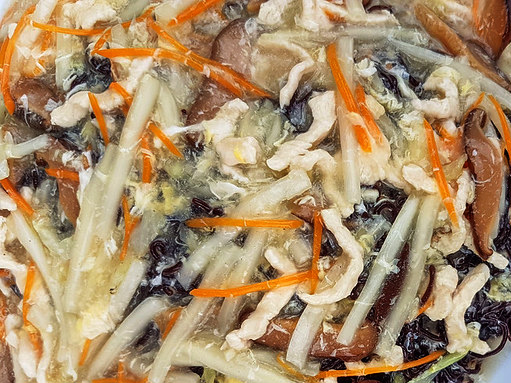
Culinary Innovation
Discover cocoa's versatility beyond chocolate in savory dishes like cocoa noodles and cocoa-infused rice.
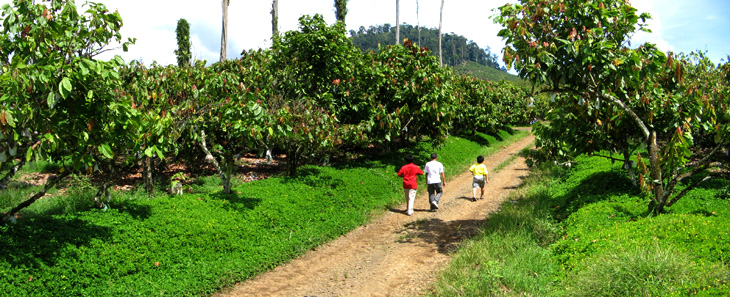
Educational Tours
Walk through living cocoa history with guided plantation tours explaining cultivation techniques.
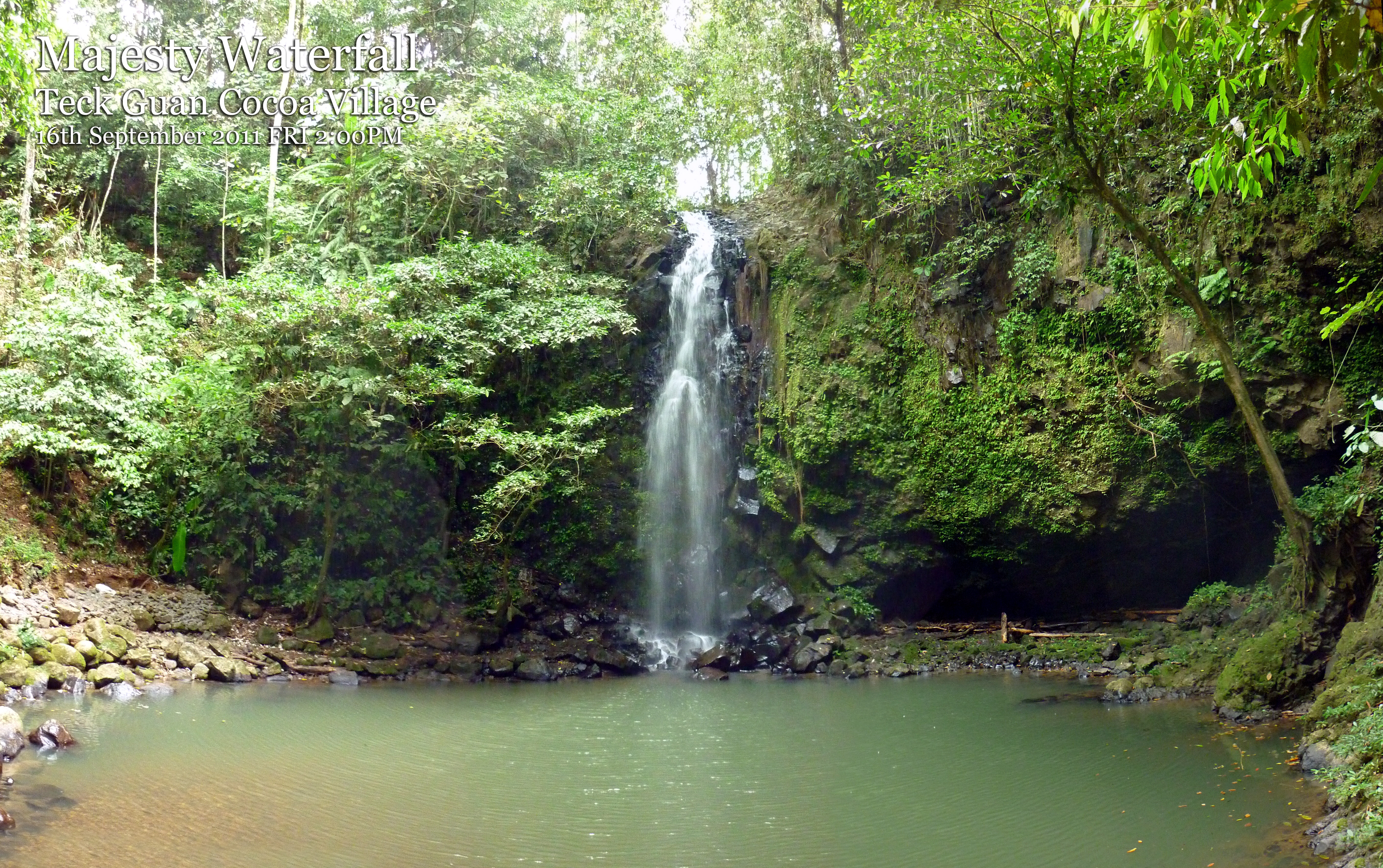
Natural Wonders
Explore Cocoa Culture Spring with six waterfalls including the majestic 75-foot Majesty Waterfall.
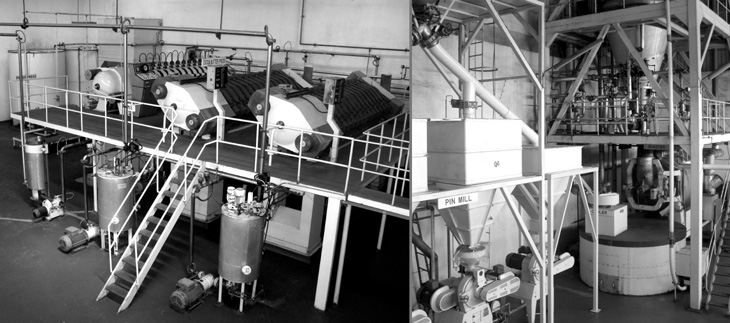
Chocolate Heritage
Visit the Cocoa Museum to trace chocolate's journey from ancient Mesoamerica to modern Sabah.
Cocoa Gastronomy: Beyond the Chocolate Bar
The Tawau Cocoa Cafe redefines cocoa's culinary potential with innovative creations that showcase this versatile ingredient:
Savory Innovations
- Cocoa Noodles with Chicken Katsu: Umami-rich cocoa-infused noodles
- Cocoa Prawn Rolls: Crispy rolls with subtle cocoa notes
- Cocoa Porridge: Comfort food with antioxidant boost
- Cocoa-Infused Rice: Aromatic rice with cocoa husk seasoning
Sweet Creations
- Cocoa Waffles: Belgian-style with cocoa batter
- Chocolate Ice Cream: Made with single-estate cocoa
- Cocoa Banana Rolls: Local fruit meets chocolate
- Fresh Cocoa Juice: Refreshing pulp from cocoa pods
The Science of Cocoa Flavor
Cocoa contains over 600 flavor compounds - more than red wine. The unique microclimate of Quoin Hill, combined with Amelonado genetics and traditional fermentation, creates flavor profiles ranging from fruity and floral to nutty and spicy, making cocoa a versatile ingredient far beyond sweet applications.
The Cocoa Timeline: Sabah's Sweet History
Sabah's Cocoa Journey
First experimental cocoa plantings in Tawau's volcanic soil prove exceptionally successful.
Teck Guan begins Amelonado cocoa cultivation on Quoin Hill, pioneering fine-flavor cocoa in Malaysia.
Sabah peaks as Malaysia's top cocoa producer, contributing significantly to national exports.
Teck Guan Cocoa Village officially opens, transitioning from plantation to educational tourism.
Cocoa Museum opens in Tanjung Batu Laut, preserving chocolate heritage for future generations.
While commercial cocoa declines, Teck Guan preserves heritage through tourism and education.
From Boom to Preservation
At its peak in the 1980s, Sabah produced over 100,000 metric tons of cocoa annually, making Malaysia the world's third-largest producer. However, by the 2000s, multiple factors led to decline:
- Price Volatility: Global cocoa market fluctuations
- Pest Challenges: Cocoa pod borer infestations
- Labor Intensive: High-maintenance cultivation requirements
- Oil Palm Competition: More profitable alternative crop
Today, Teck Guan represents a conservation success story - preserving not just cocoa trees, but the entire cultural ecosystem of Sabah's chocolate heritage. The village maintains approximately 50 hectares of Amelonado cocoa as a living museum, while educating visitors about sustainable agriculture and culinary innovation.
Planning Your Chocolate Journey
Essential Visitor Information
Location & Access
Address: Quoin Hill, Tawau, Sabah, Malaysia
Distance: 40 minutes from Tawau town center
Transport: Private vehicle or arranged tours recommended
Operating Hours: 8:00 AM - 5:00 PM daily
📍 Proximity to Key Locations:
Tawau Airport: 45 minutes
Cocoa Museum: 60 minutes
Tawau Hills Park: 90 minutes
Recommended Experiences
Plantation Tour
1.5 hours
Cocoa Tasting
45 minutes
Waterfall Visit
2 hours
Souvenir Shopping
30 minutes
Visitor Tips
- Best Time: March-October (dry season)
- Footwear: Comfortable walking shoes
- Photography: Camera with macro lens recommended
- Combination Trip: Visit Cocoa Museum same day
Souvenirs to Bring Home
Take home authentic Sabah cocoa products: pure cocoa powder, artisanal chocolate bars, cocoa-based skincare, traditional cocoa cookies, and unique cocoa-infused snacks - all made from estate-grown Amelonado beans.
Preserving Sabah's Chocolate Heritage
Teck Guan Cocoa Village represents more than tourism - it's a living conservation effort preserving agricultural heritage in the face of changing landscapes. As oil palm continues to replace cocoa across Sabah, this village maintains genetic diversity, traditional knowledge, and cultural memory.
Educational Impact
The village hosts school groups, agricultural students, and culinary enthusiasts, teaching sustainable farming practices, chocolate science, and the importance of preserving agricultural biodiversity in a changing climate.
A Model for Heritage Tourism
By transforming from commercial plantation to educational destination, Teck Guan has created a sustainable model that:
- Preserves Genetic Resources: Maintaining Amelonado cocoa genetics
- Sustains Local Knowledge: Documenting traditional techniques
- Supports Community: Creating tourism-based livelihoods
- Educates Future Generations: Chocolate as cultural heritage
- Promotes Sustainable Agriculture: Model for diversified farming