| ENGLISH | CHINESE | BAHASA MALAYAU |
Bornean Orangutan (Pongo pygmaeus)
The Forest Gardener of Borneo
The Bornean orangutan is one of the world's most intelligent great apes and a powerful symbol of Borneo's ancient rainforests. In eastern Sabah, including forest landscapes connected to Tawau, orangutans rely on large, healthy, and connected forests to survive.
Species Overview
- Common Name: Bornean Orangutan
- Scientific Name: Pongo pygmaeus
- Family: Hominidae (Great Apes)
- Conservation Status: Critically Endangered (IUCN)
Orangutans are easily recognised by their long reddish-brown hair and extremely long arms. Adult males may develop large cheek pads known as flanges.
STORIES OF ORANGUDANS IN TAWAU
Guardians of the Canopy
In the emerald forests of Borneo, where sunlight filters through ancient leaves, lives a gentle giant with eyes that mirror wisdom and solitude. The orangutan - "person of the forest" - moves with quiet grace, weaving nests among branches, carrying the memory of the wild. Their long arms stretch like bridges between earth and sky, reminding us that the rainforest breathes through their presence.
Did You Know?
- Orangutans share about 97% of their DNA with humans. The name "orangutan" comes from Malay words orang hutan, meaning "human of the forest."
- Bornean orangutans can live up to 45 years in the wild and over 50 years in captivity.
- They are expert nest-builders: every evening, orangutans construct elaborate treetop nests from branches and leaves to sleep in.
- Their arms can stretch up to 2 meters from fingertip to fingertip, perfect for swinging through the rainforest canopy.
- Seed dispersers of the forest: by eating fruits and dropping seeds, orangutans help regenerate Borneo's rainforest.
- Critically endangered: habitat loss and hunting have reduced their population by more than 50% in the past 60 years.
What Makes the Uniqueness of the Bornean Orangutan vs. Monkey Mammals?
Orangutans are often mistakenly called "monkeys," but they are great apes. Here's how they stand apart:
| Feature | Bornean Orangutan (Great Ape) | Monkeys (General Mammals) |
|---|---|---|
| Classification | Family Hominidae (same as humans, gorillas, chimpanzees) | Family Cercopithecidae and others |
| Tail | No tail - apes never have tails | Most have tails used for balance and movement |
| Size | Larger, up to 100 kg and 1.5 m tall | Generally smaller, lighter |
| Lifestyle | Mostly solitary, building nightly nests | Often social, living in troops |
| Intelligence | Highly intelligent, tool use, close DNA link to humans | Intelligent but less advanced in tool use and problem-solving |
| Movement | Long arms for brachiation (swinging through trees) | Agile climbers, often run and leap with tails |
| Role in Ecosystem | Seed dispersers, crucial for rainforest regeneration | Varying roles, less central to forest ecology |
Habitat & Distribution in Sabah
Orangutans live exclusively in forested habitats and spend most of their lives in trees. In Sabah, they depend on several forest types:
- Lowland dipterocarp forests
- Riverine forests
- Peat swamp forests
- Hill forests
While orangutans do not live within Tawau town itself, they survive in nearby protected forests such as Tabin Willife Reserve, Kalabakan Forest Reserve, and surrounding forest landscapes connected through forest corridors. Maintaining these connections is essential for orangutan movement, breeding, and long-term survival.
Behaviour & Intelligence
Orangutans are mostly solitary animals and are active during the daytime. They are highly intelligent and capable of learning complex behaviours.
- Use tools such as sticks and leaves
- Build new nests in trees each night
- Learn survival skills from their mothers for up to eight years
Ecological Role: The Forest Gardener
Orangutans play a vital role in maintaining rainforest health. As they travel long distances to feed, they disperse seeds across the forest, helping new trees grow and maintaining plant diversity.
Without orangutans, forest regeneration becomes slower and ecosystems become weaker.
Threats to Survival
Despite their importance, orangutans face many serious threats across Borneo:
- Deforestation and land conversion
- Forest fragmentation
- Illegal hunting
- Human-wildlife conflict
- Climate change
Habitat loss remains the greatest threat to orangutan survival.
Conservation Efforts in Sabah
Sabah has taken important steps to protect orangutans through conservation programmes and protected landscapes.
- Protected areas such as Tabin Wildlife Reserve and surrounding forest reserves
- Restoration of forest corridors linking fragmented habitats in eastern Sabah
- Orangutan rescue, rehabilitation, and release programmes across Sabah
- Long-term scientific research and wildlife monitoring
- Community-based conservation initiatives involving local communities around Tawau
These conservation efforts are closely linked to Sabah's wider environmental protection strategy, recognising that orangutan survival depends on large, connected, and well-managed forest landscapes.
Protected Areas Supporting Orangutans Near Tawau
Several protected areas in eastern Sabah play a crucial role in safeguarding orangutan habitats and maintaining ecological connectivity:
Together, these areas form part of a broader landscape approach to conservation, ensuring wildlife can move safely across forested regions.
Tabin Wildlife Reserve
Tabin Wildlife Reserve in Sabah is a sanctuary for endangered species, including the Bornean orangutan. Its vast lowland rainforest provides critical habitat, supporting rehabilitation and conservation programs. By protecting biodiversity, Tabin ensures orangutans thrive while maintaining ecological balance for future generations.
Kalabakan Forest Reserve
The Kalabakan Forest Reserve safeguards one of Sabah's richest ecosystems, vital for orangutan survival. Through sustainable forest management and anti-logging measures, it preserves canopy corridors essential for orangutan movement. This reserve plays a crucial role in balancing conservation with community livelihoods and long-term rainforest health.
Ulu Kalumpang Forest Reserve
Ulu Kalumpang Forest Reserve protects key orangutan habitats in Tawau, Sabah. Its rugged terrain and dense forest serve as a refuge for wildlife, ensuring orangutans remain connected to natural food sources. Conservation efforts here strengthen biodiversity and safeguard the cultural and ecological heritage of the region.
Orangutan Rehabilitation Centers in Borneo
-
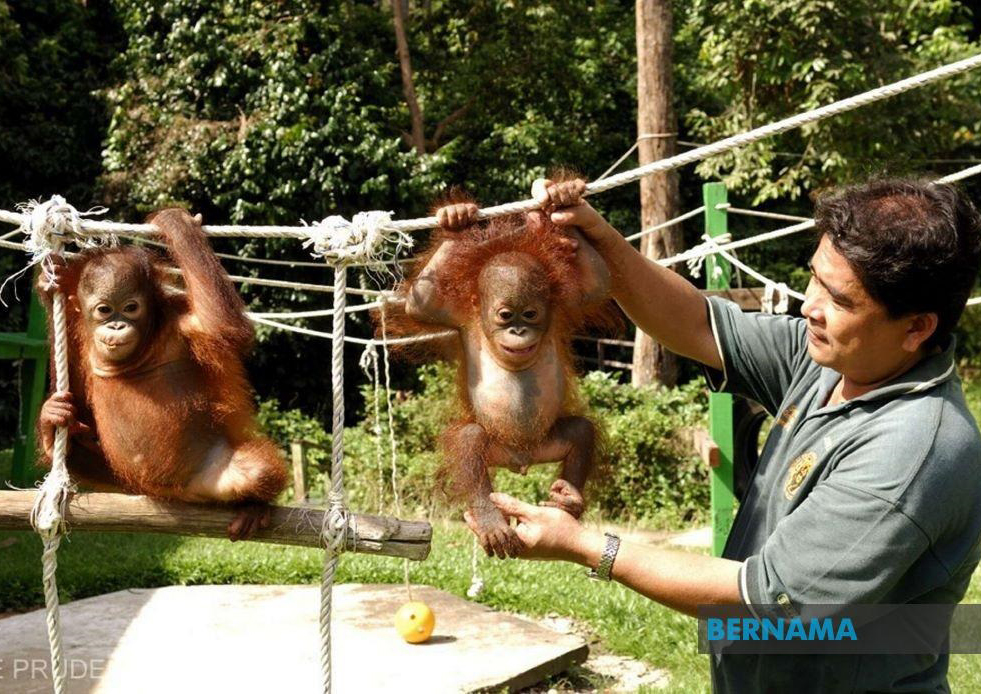
Sepilok Orangutan Rehabilitation Centre
Location: Sandakan, Sabah, Malaysia
Established in 1964, Sepilok is one of the oldest and most renowned orangutan sanctuaries. It rescues orphaned and injured orangutans, teaching them survival skills before releasing them back into the wild. Visitors can observe feeding sessions and learn about conservation efforts that protect Sabah's rainforest heritage.
-
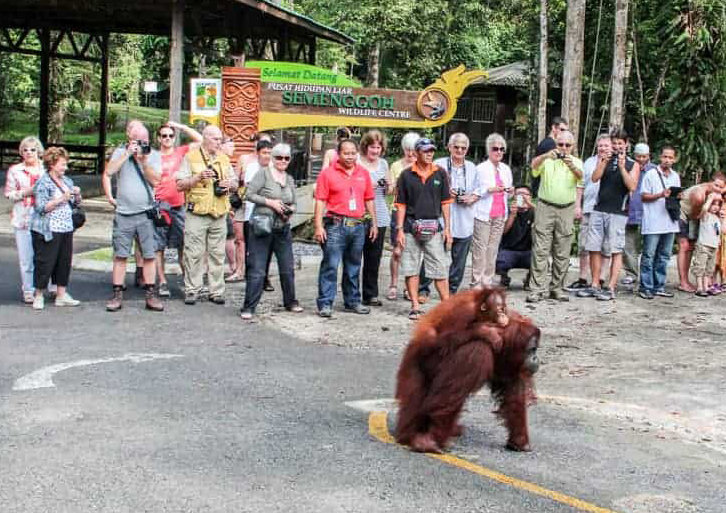
Semenggoh Wildlife Centre
Location: Kuching, Sarawak, Malaysia
Founded in 1975, Semenggoh focuses on rehabilitating orangutans rescued from illegal captivity. Many rehabilitated individuals now live freely in the surrounding forest reserve, returning occasionally for food. The center is also a hub for education and wildlife research.
-
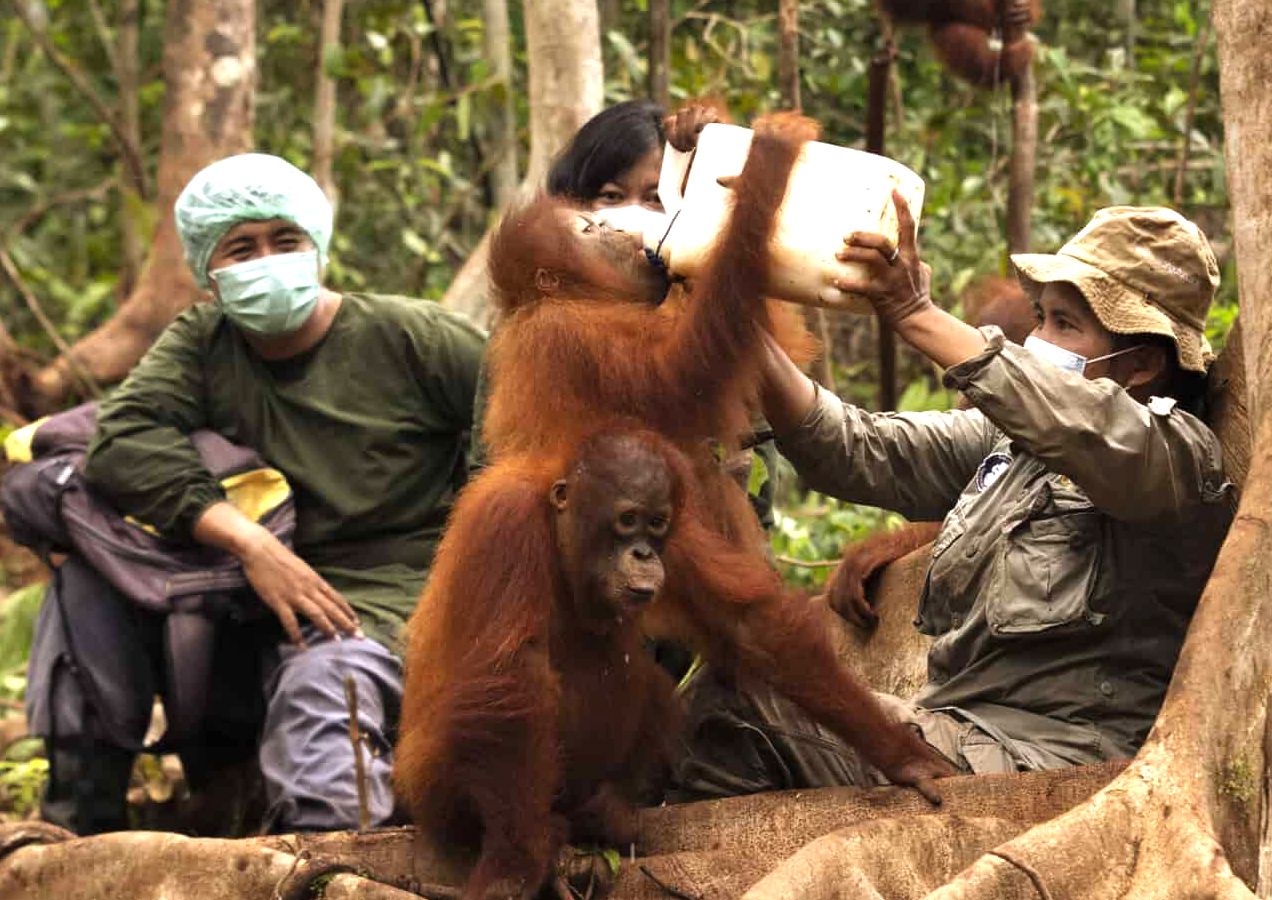
Nyaru Menteng Orangutan Rehabilitation Centre
Location: Palangka Raya, Central Kalimantan, Indonesia
Managed by the Borneo Orangutan Survival Foundation, Nyaru Menteng is the world's largest orangutan rehabilitation facility. It cares for hundreds of orangutans, guiding them through "forest school" before reintroduction. The center plays a vital role in combating deforestation and illegal pet trade.
-
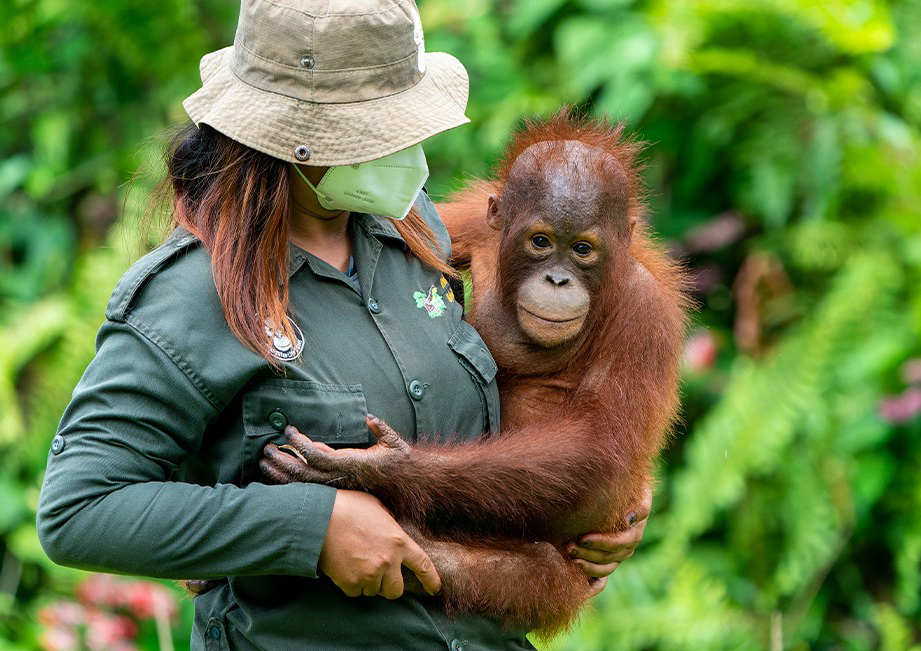
Samboja Lestari Orangutan Rehabilitation Centre
Location: East Kalimantan, Indonesia
Samboja Lestari combines orangutan rehabilitation with habitat restoration. The center rehabilitates rescued orangutans while reforesting degraded land, creating a safe environment for wildlife. It also supports sun bear conservation and eco-tourism, making it a model of holistic conservation.
Orangutans & Responsible Eco-Tourism
In eastern Sabah, responsible eco-tourism supports conservation by raising awareness and funding habitat protection near Tawau. Visitors are encouraged to support conservation-linked tourism initiatives that respect wildlife welfare and forest integrity.
Ethical tourism helps raise awareness while providing funding for habitat protection.
Why Orangutans Matter to Sabah
Orangutans are more than wildlife - they are guardians of Borneo's forests and indicators of ecosystem health. Protecting orangutans means protecting forests, rivers, climate stability, and future generations.
A Call from the Forest
As the sun sets over Borneo's canopy, the orangutan retreats into its nest, carrying the wisdom of the forest in silence. Yet their future depends on us - on the choices we make, the forests we protect, and the compassion we extend. To safeguard the orangutan is to safeguard our shared home, for in their survival lies the heartbeat of the rainforest itself. Let us walk gently, so that generations to come may still look up and see these guardians of the canopy moving with quiet grace among the trees.
11/01/2026 02:25:32 PM