1- NEW Lahad Datu Bus Terminal at FPCC
2- Lahad Datu Bus Station at Kompleks Fajar
3- OLD Terminal Bas Lama Lahad Datu
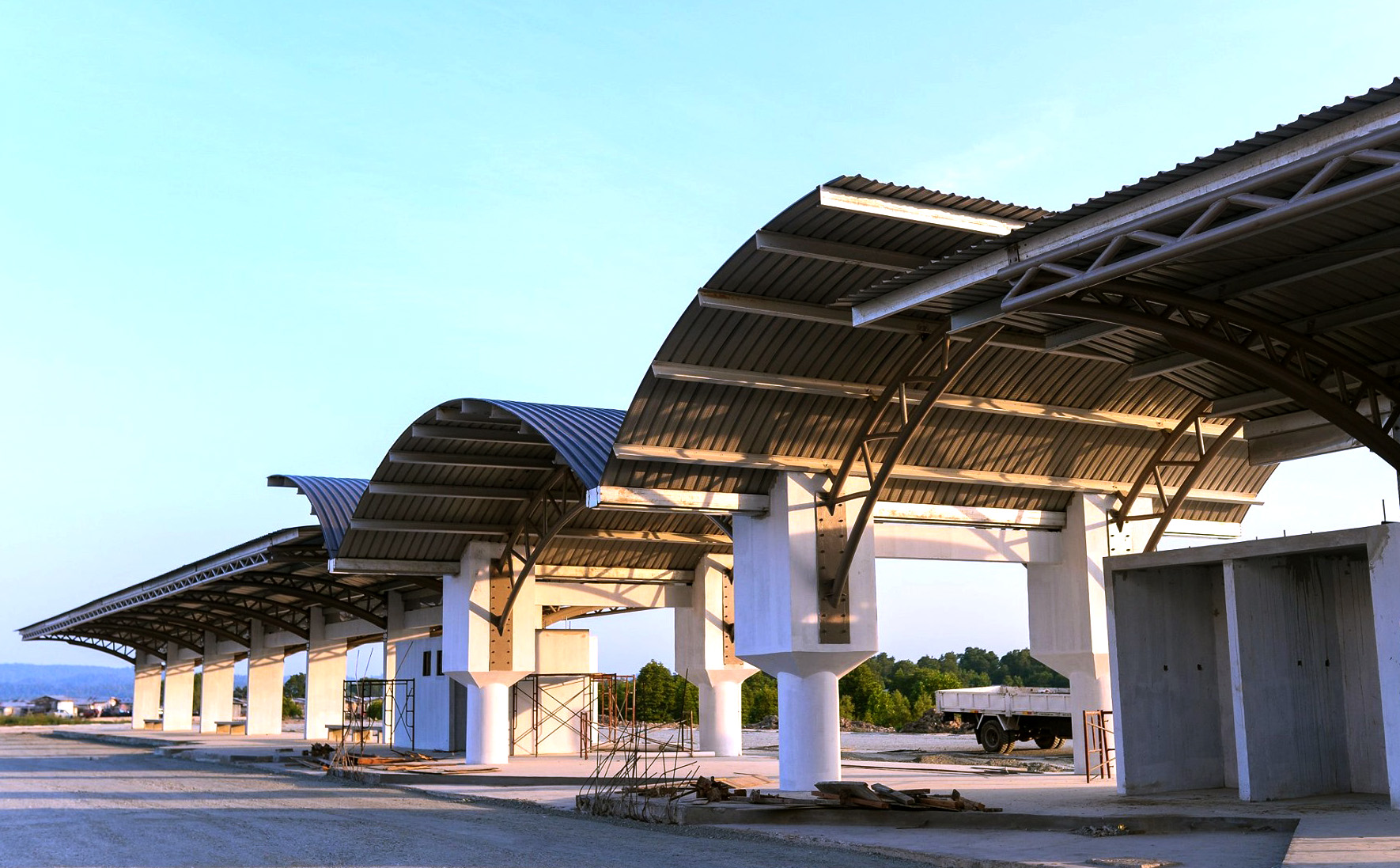
1- NEW Lahad Datu Bus Terminal at FPCC
The main intercity terminal at First Palm City Centre (2km west of downtown) connects Lahad Datu to KK (8-10hrs/RM60-80), Tawau (3hrs/RM15-25), and Sandakan (5hrs/RM25-35). Facilities: ticket counters, waiting area, snack stalls. Departures 6:00-18:00. Taxis available (RM10 to town). Key routes display electronic boards. No luggage storage. Recent upgrades include better seating and lighting. Serves 500+ passengers daily.
First Palm City Centre (FPCC) Bus and Taxi Terminal, also known as Lahad
Datu Sentral was officially opened on December 11, 2021. Before this new
terminal, the buses and taxis only park their vehicles on the road side.
This bus terminal provide convenience to go to many places of tourist
attraction such as the Tabin Forest Reserve, Danum Valley , Madai Cave
as well as beautiful beaches and a waterfall.
The terminal was a joint venture between Titijaya Land Berhad (developer
of FPCC) and Sabah Housing and Town Development Authority (LPPB). FPCC
is a mixed development project comprising commercial shops, retail
components, and supermarket on 58.8 acres of land in Lahad Datu town
centre.
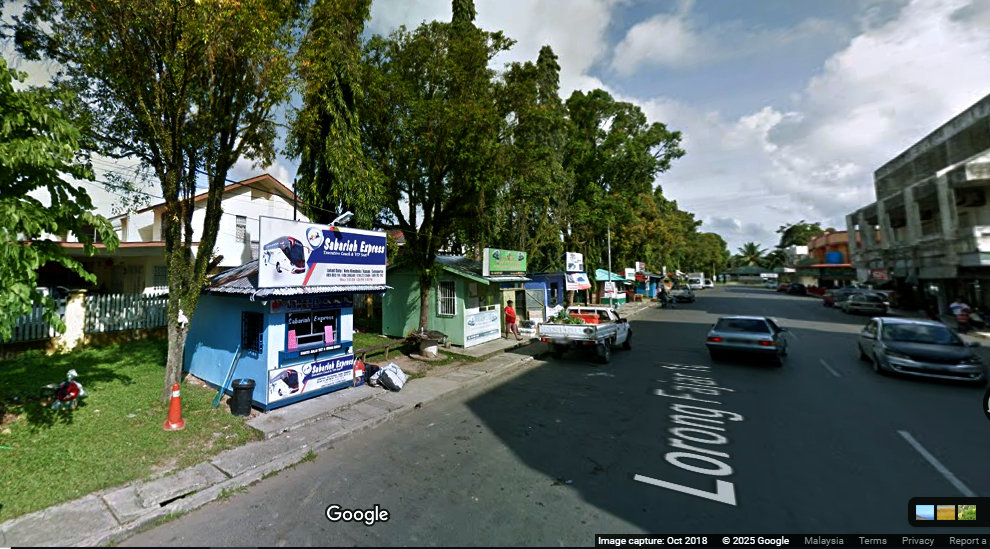
2- Express Bus Station at Kompleks Fajar
This 1.5km east-located hub handles minivans/shared taxis for local routes (RM2-5): Taman Fajar-Sri Perdana-Town Center. Operates 6:00-19:00 with "fill-and-go" system. No fixed schedule. Features covered waiting area and small shops. Primary departure point for Danum Valley transfers (2hrs/RM40-60). Cash-only. Crowded during rush hours (7:00-8:30). Walking distance to Fajar Commercial Center. Popular among workers and students. Minimal English signage.
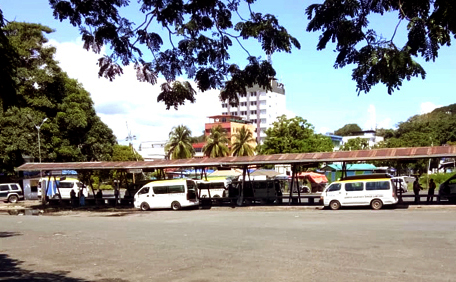
3-Terminal Bas Lama Lahad Datu
The former main terminal (1km south of center) now serves rural vans to villages like Kunak (1.5hrs/RM10) and Silam (45mins/RM8). Rustic facility with basic benches. Operates 5:30-16:00. Known for cheap street food stalls. Some long-distance buses still stop here if FPCC is full. No digital payments. Important for oil palm plantation workers. Minimal lighting - avoid after dark.
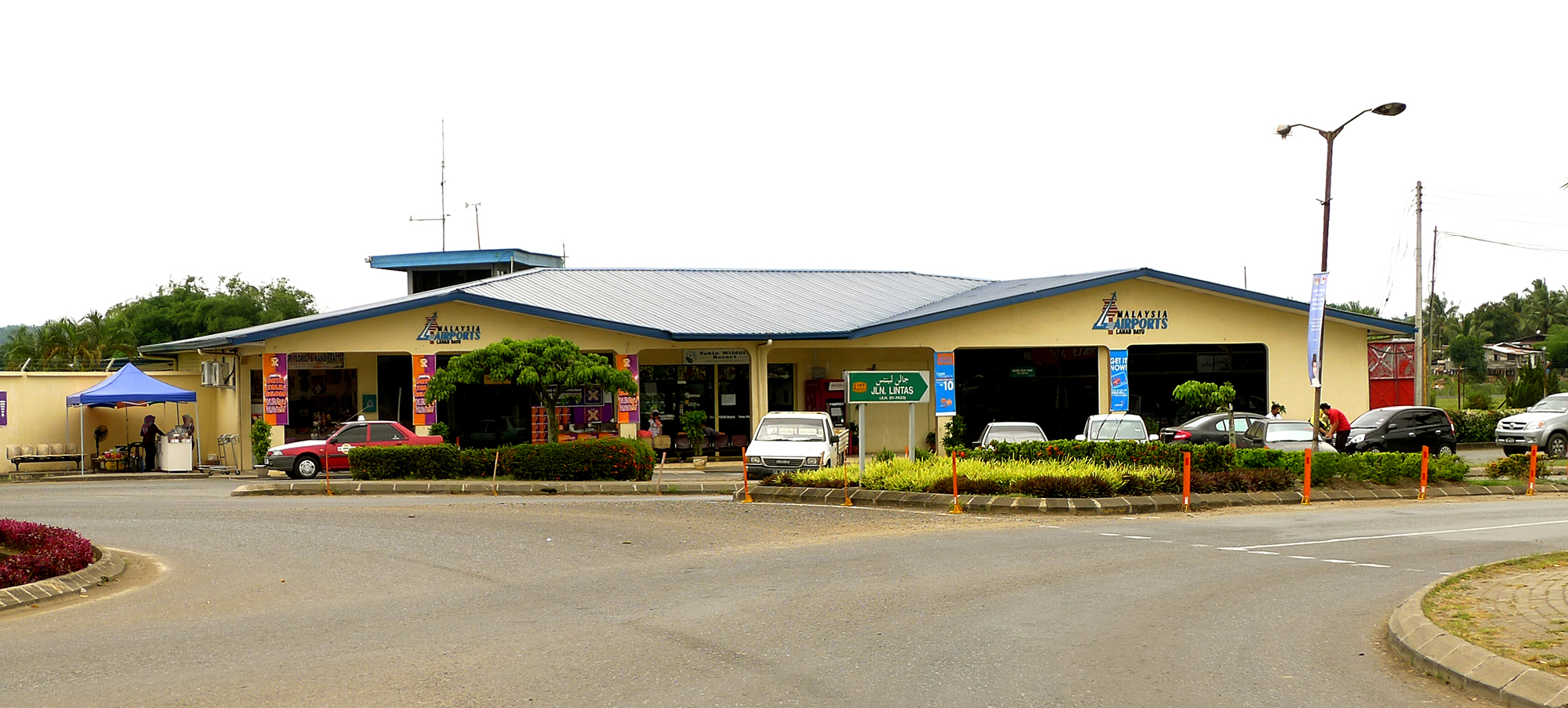
Lahad Datu Airport (MYLAD/MYLDU)
Located approximately 1 km from Lahad Datu town center, Lahad Datu Airport (IATA: LDU) serves as the primary air gateway for eastern Sabah's conservation areas. The small regional airport handles daily MASwings flights to Kota Kinabalu (1hr) and Sandakan (40min). Facilities include a basic terminal with check-in counters, waiting area, and car rental services. Taxis to town cost RM30-40. The airport mainly serves eco-tourists visiting Danum Valley and researchers. Runway length: 1,463m. No international flights. Operating hours: 6:00-20:00 daily.
1- Lahad Datu Port (MYLAD) and Lahad Datu Ferry Terminal (CIQS Lahad Datu)
2- POIC Container Terminal Lahad Datu
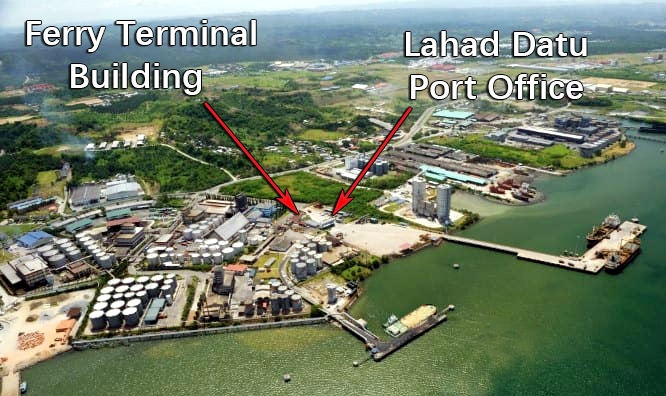
1- Lahad Datu Port (MYLAD) and Lahad Datu Ferry Terminal (CIQS Lahad Datu)
Situated about 2 km from Lahad Datu town center, this commercial port handles palm oil exports and general cargo.
Terminal Feri Lahad Datu (CIQS Lahad Datu) is here. While not serving passenger ferries regularly, it's vital for Sabah's commodities trade. The port features two main berths (180m and 150m length) with 7.5m draft. Security includes 24/7 patrols. Nearby facilities include customs offices and storage warehouses. Occasionally serves cruise ships during nature tourism seasons. No public transport - visitors need taxis (RM15-20 from town). Operating hours: 8:00-17:00 weekdays.
CIQS : Customs, Immigration, Quarantine and Security
The Customs, Immigration, Quarantine, and Security (CIQS) facility at
Lahad Datu Port is completed in 2023. This development aims to establish
a sea link between Lahad Datu (Sabah), Tawi-Tawi (Philippines), and
Sulawesi (Indonesia), fulfilling a long-standing aspiration. This CIQS
greatly improve maritime connectivity across the BIMP-EAGA region.
The CIQS facility will enable safe, legal, and cost-effective travel for
people within the BIMP-EAGA (Brunei-Indonesia-Malaysia-Philippines East
ASEAN Growth Area) region.
The Quarantine facility is for illegal immigrants.
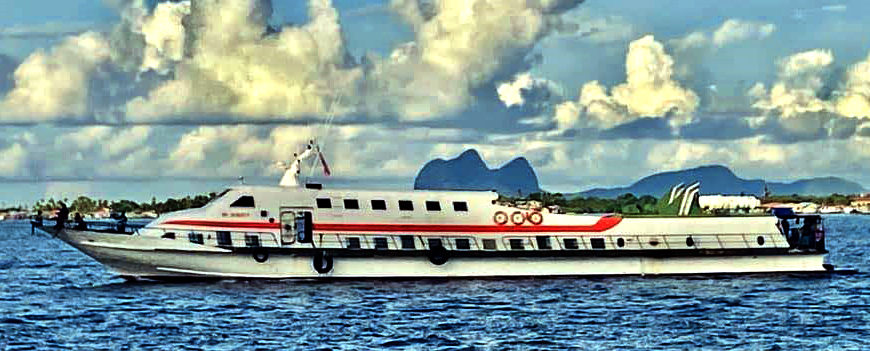
Ferry MV MING HAI
The ferry MV MING HAI ferry between LAHAD DATU FERRY TERMINAL (ICQS
in Lahad Datu Port) and BONGAO PORT in TAWI-TAWI island of the
PHILIPPINES. The maiden voyage took place on Thursday, 17th
October 2024, departing from Bongao to Lahad Datu. The first trip from
Lahad Datu, Sabah, to Bongao, Tawi-Tawi, was on Tuesday, 22nd October
2024, departing from Lahad Datu Port.
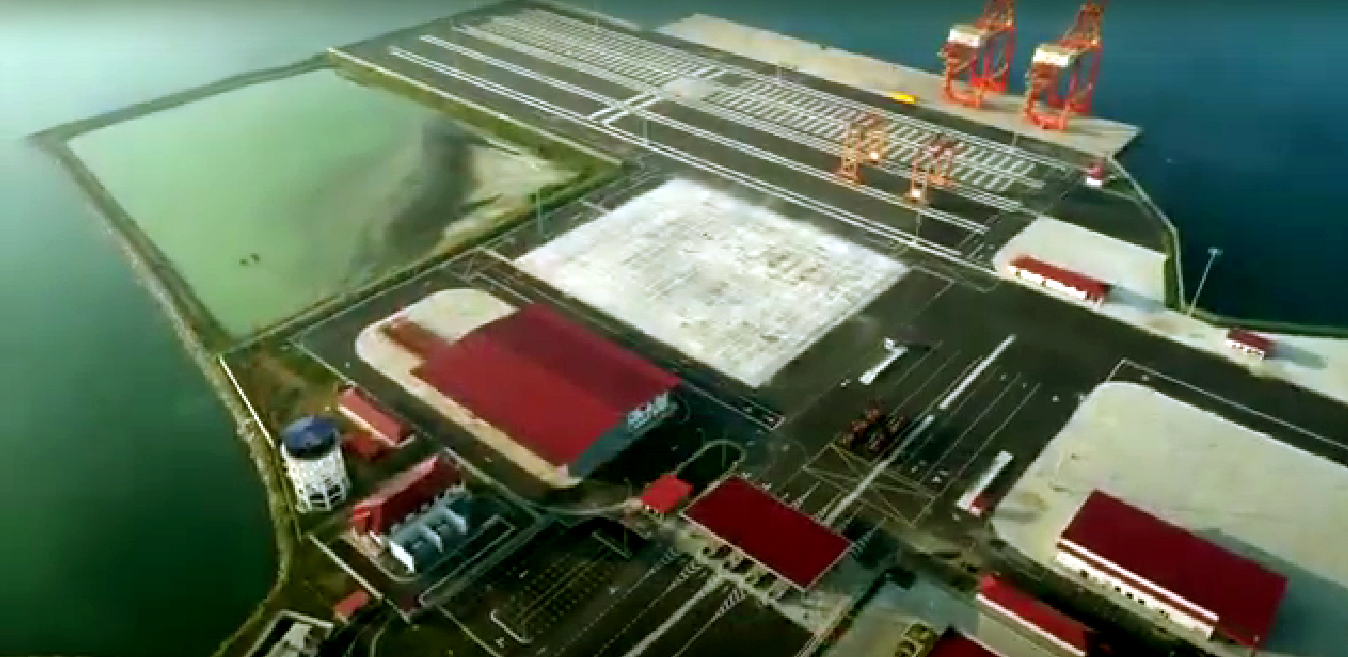
2- POIC Container Terminal Lahad Datu
POIC Container Terminal Lahad Datu is a strategic logistics hub in eastern Sabah, Malaysia, specializing in palm oil industrial cargo and containerized trade. Operated by POIC Logistics Sdn Bhd, it features a 308-meter berth with 15m draft depth, handling Panamax vessels up to 65,000 DWT and an annual capacity of 50,000 TEUs (expandable to 250,000 TEUs). The terminal serves as the core of POIC Lahad Datu, the world’s first dedicated palm oil industrial cluster, supporting refineries, biofuel plants, and biomass exports. Key facilities include inbound/outbound container yards, reefer storage, and modern equipment like STS cranes and reach stackers. Its proximity to resource-rich regions like Sulawesi enhances its role in BIMP-EAGA trade.
Lahad Datu Bus Station at Kompleks Fajar
Located in the heart of Lahad Datu, this station is a central point for various bus operators, including Sairah Express and Tung Ma Express. It offers routes to key cities like Kota Kinabalu and Tawau, catering to daily commuters and travelers.
Terminal Bas Lama Lahad Datu
Situated within the town center, this old bus terminal has historically been a focal point for local and regional bus services. While newer terminals have emerged, it remains a part of the town's transportation infrastructure.