A comprehensive historical and contemporary overview of the Catholic Church's presence and influence in Sabah, Malaysia
The Roman Catholic Church is the largest Christian denomination in Sabah and one of the religious institutions in Sabah's social, educational, and charitable development. With roots tracing back to European missionaries in the late 19th century, Catholicism has become an integral part of Sabah's multicultural and multi-religious landscape.
Catholic missionary activity in Sabah began in earnest in the 1880s, during the period of the British North Borneo Chartered Company administration. The first Catholic missionaries arrived from the Mill Hill Missionaries (St. Joseph's Missionary Society), who established the initial foundations of the Church in North Borneo.
The early evangelization efforts focused on indigenous communities such as the Kadazan-Dusun, Murut, and Bajau peoples, as well as Chinese settlers and later migrant workers from the Philippines and Indonesia. These missionaries established not only churches but also schools, clinics, and social services that would form the backbone of Catholic contribution to Sabah's development.
Sabah (formerly North Borneo) was under the administration of the British North Borneo Chartered Company from 1881 to 1941. The arrival of Catholic missionaries coincided with this period of colonial administration, which provided relative stability for missionary work despite challenges of geography, climate, and cultural diversity.
St. Mary's Church, Sandakan, established in the 1880s, is widely regarded as the earliest center of Catholic worship in Sabah. Sandakan became the initial stronghold of Catholic administration and later the seat of the Diocese of Sandakan, which was established in 1967.
Today, St. Mary's Cathedral, Sandakan stands as a symbol of the long Catholic presence in Sabah, with its architecture reflecting both historical significance and contemporary function as the mother church of eastern Sabah's Catholic community.
St. Mary's Cathedral, Sandakan serves as the cathedral of the Diocese of Sandakan, which oversees Catholic parishes in eastern Sabah, including Tawau, Lahad Datu, Semporna, and rural interior regions. The cathedral complex represents the largest Catholic worship facility in the state.
The Diocese of Sandakan, established on July 16, 1967, covers an area of approximately 28,000 square kilometers and serves a Catholic population of over 150,000 faithful, comprising diverse ethnic communities including Chinese, Kadazan-Dusun, Murut, and Filipino and Indonesian migrant communities.
Catholic lay members have played significant roles in commerce, education, public service, and interfaith harmony across Sabah. The Church's emphasis on social justice has produced numerous community leaders who have contributed to Sabah's development while maintaining their religious identity.
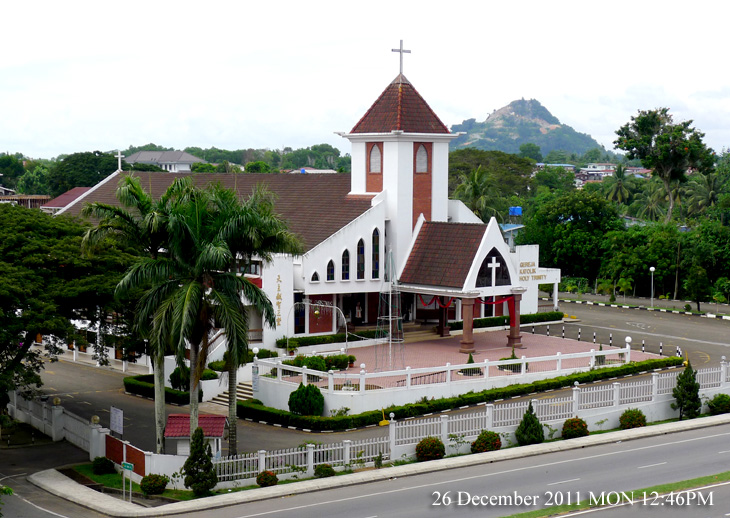
The main Catholic parish in Tawau serving a diverse congregation including local residents and migrant communities from Indonesia and the Philippines.
Address: Batu 1.5, Jalan Melati, Peti Surat 21, 91007 Tawau, Sabah
Telephone: 089-772226
Catholic institutions in Sabah have contributed significantly to multiple sectors of society:

Healthcare and Charity Clinics, hospitals, and charities serve all communities, offering vital healthcare to remote areas. Through Caritas Malaysia, they extend charity, justice, and development, supporting the poor regardless of faith, with emphasis on migrant care and social outreach.
They actively promote mutual respect and understanding, with churches often built near other religious buildings, contributing to Sabah's unique atmosphere of religious solidarity and peace.
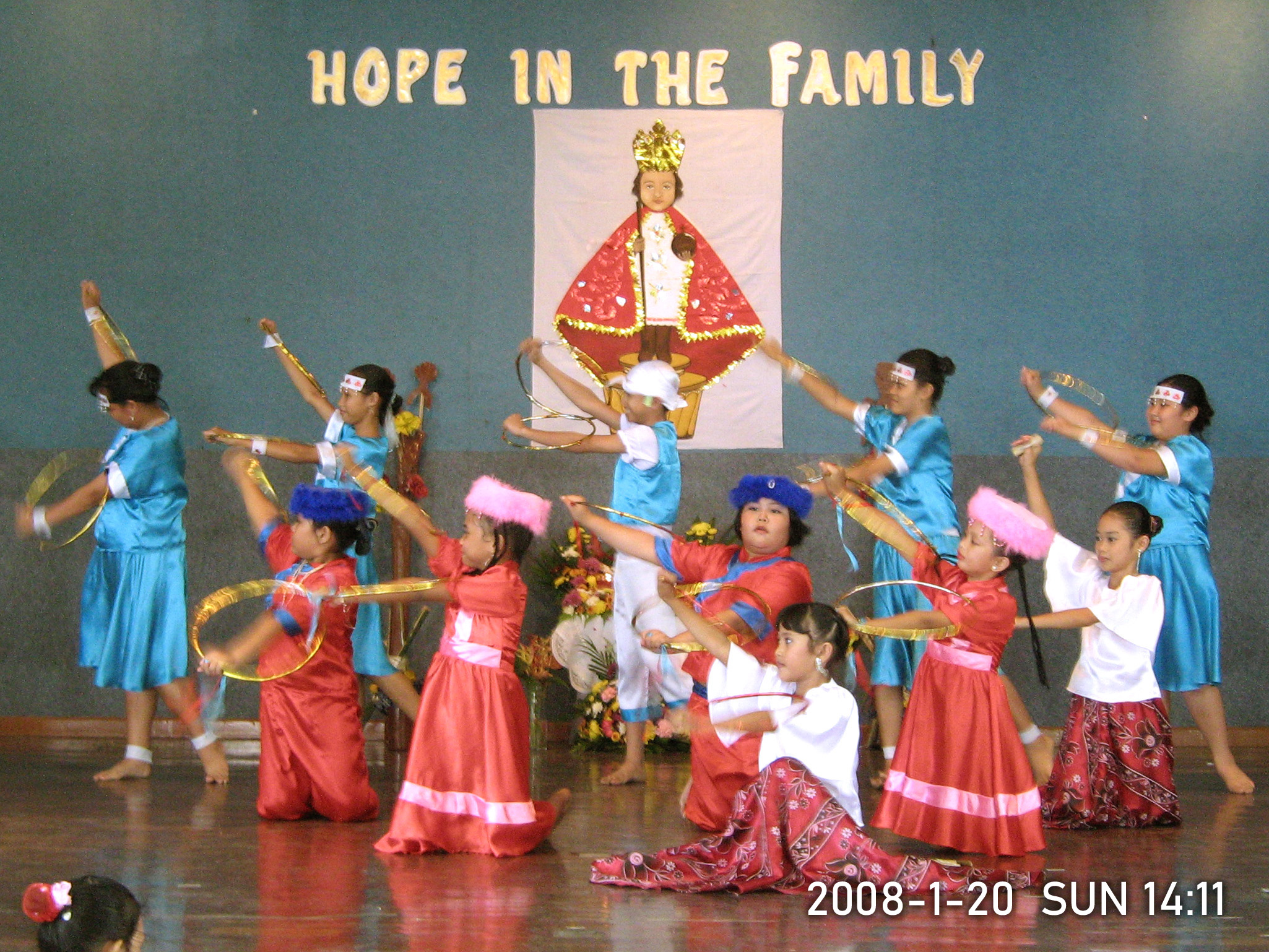
While influencing traditional practices (like among the Kimaragang), Christianity also integrates diverse groups, becoming a strong catalyst for social integration and a sense of shared identity in Sabah's diverse society

Beyond services, they offer personal renewal, prayer, and guidance based on scripture, reinforcing values like environmental stewardship and justice.
Today, Catholicism remains a vibrant and integral part of Sabah's multicultural and multi-religious landscape. The Catholic Church continues to adapt to contemporary challenges while maintaining its historical commitments to education, healthcare, and social justice. With increasing local clergy leadership and active lay participation, the Church in Sabah represents a unique synthesis of universal Catholic tradition and local cultural expressions.