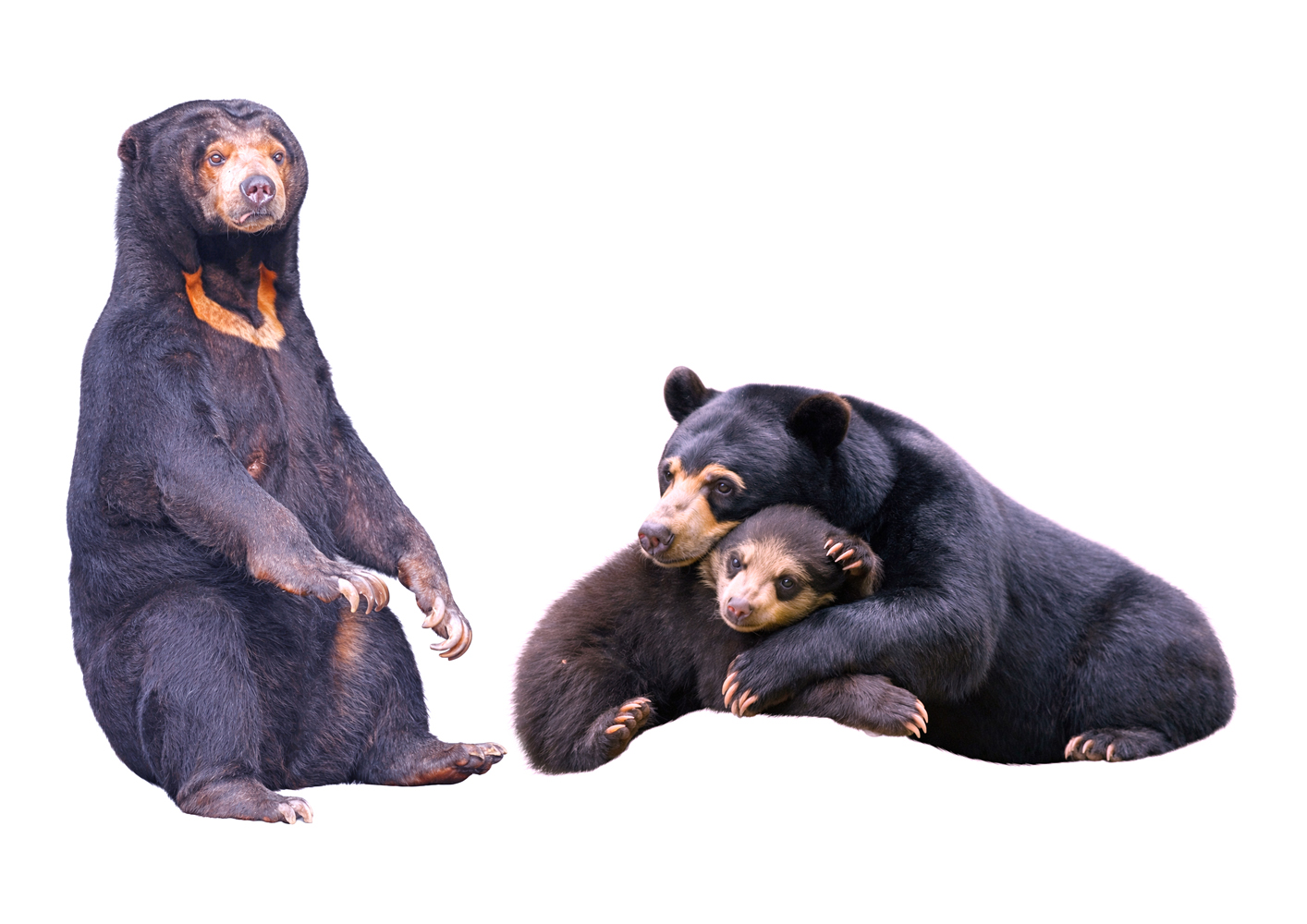
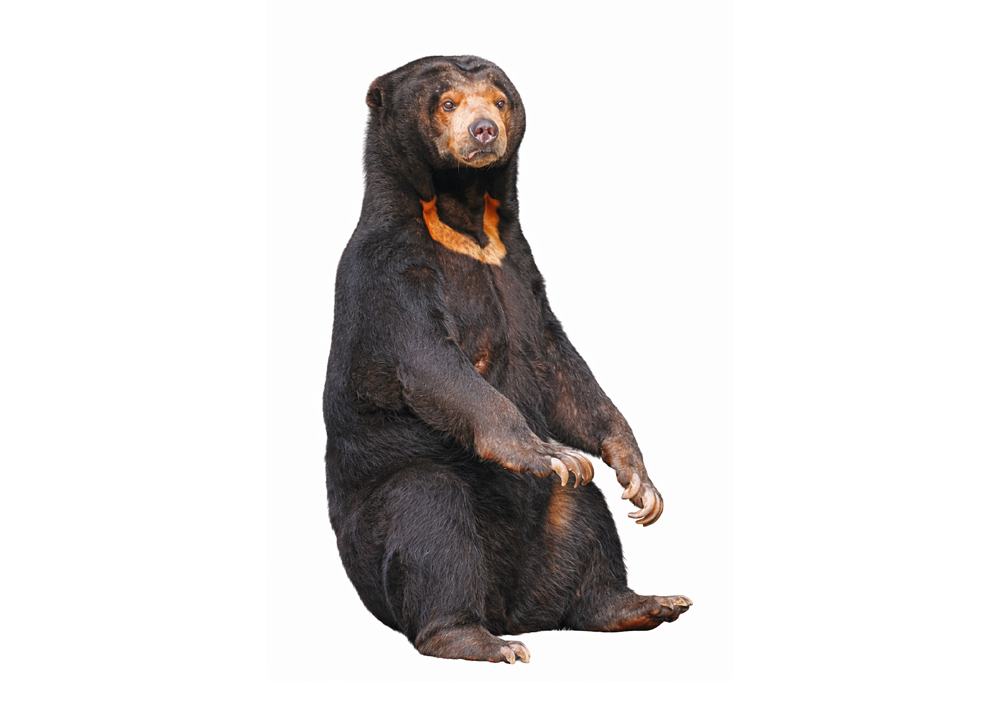
The Malayan sun bear, the world's smallest bear species, is one of Borneo's most elusive forest mammals. In Sabah, including forested landscapes connected to Tawau, these remarkable creatures depend on healthy, continuous forests for food, shelter, and survival. Their distinctive pale chest patch, resembling a rising sun, gives them their common name and makes them one of Southeast Asia's most iconic forest dwellers.
Species Overview
Quick Facts
- Common Name: Malayan Sun Bear
- Scientific Name: Helarctos malayanus
- Family: Ursidae (Bears)
- Conservation Status: Vulnerable (IUCN Red List)
- Size: 1.2-1.5 meters in length
- Weight: 25-65 kg
Sun bears are distinguished by their short black fur, powerful curved claws, and a distinctive pale orange to cream-colored chest patch that varies in shape. Their long tongue (up to 25 cm) is perfectly adapted for extracting honey and insects from trees. Despite their small size, they are strong climbers and spend considerable time in trees.
Habitat & Distribution in Sabah
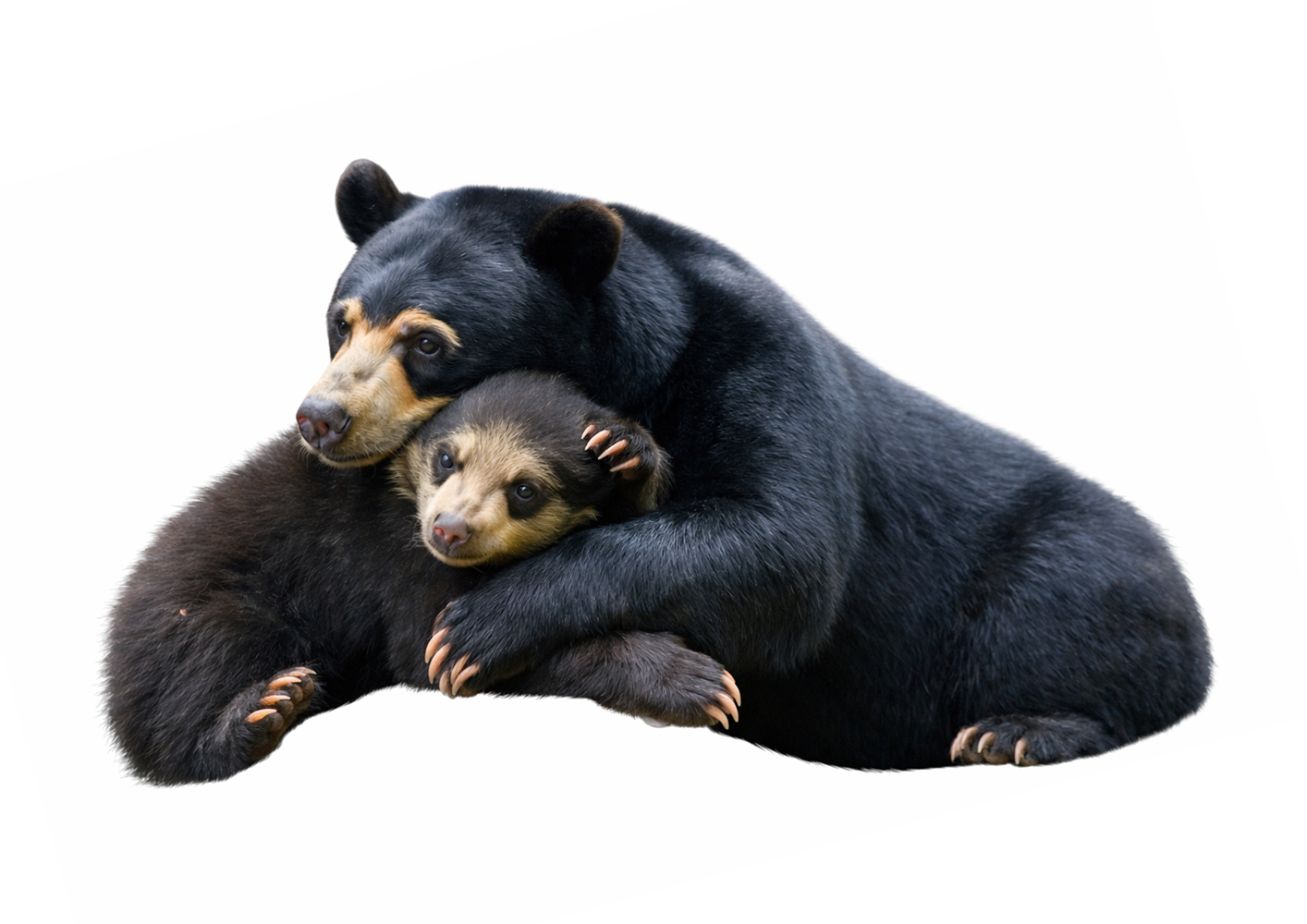
Sun bears inhabit a variety of forest types across Sabah, with their distribution closely tied to intact forest ecosystems. They are most commonly found in:
- Lowland dipterocarp forests - Primary habitats with abundant food sources
- Hill and montane forests - Up to elevations of 2,000 meters
- Secondary forests - When sufficient canopy cover and food sources exist
In the Tawau region, sun bears survive in protected areas including Tabin Wildlife Reserve, Kalabakan Forest Reserve, and forest landscapes connected by ecological corridors. These areas provide critical refuge for remaining populations.
Behaviour & Adaptations
Sun bears are primarily solitary and exhibit both diurnal and nocturnal activity patterns depending on food availability and human disturbance. Their adaptations make them highly effective forest dwellers:
- Powerful claws for tearing open logs and termite nests
- Long, agile tongue for extracting honey and insects
- Excellent climbing ability for accessing fruit and escaping predators
- Strong jaws capable of cracking hard-shelled fruits
Did You Know?
Sun bears have the longest tongue relative to body size of any bear species, reaching up to 25 cm (10 inches). This adaptation allows them to extract honey and insects from deep within tree cavities.
Ecological Role in the Forest
As omnivores, sun bears play several crucial roles in maintaining forest health:
- Seed dispersal: Through consumption and excretion of fruits
- Insect control: Regulating termite and ant populations
- Nutrient cycling: Breaking open decaying wood, accelerating decomposition
- Forest engineering: Creating cavities that become homes for other species
Their feeding activities help maintain the delicate balance of Borneo's rainforest ecosystems, making them an important indicator species for forest health.
Threats to Survival
Sun bears face multiple, interconnected threats across their range in Borneo:
- Habitat loss: Deforestation for agriculture, especially palm oil plantations
- Habitat fragmentation: Isolated populations with reduced genetic diversity
- Illegal wildlife trade: Poaching for body parts and the pet trade
- Human-wildlife conflict: Retaliation killing for crop raiding
- Reduced food availability: Loss of fruiting trees and honey sources
Conservation Efforts in Sabah
Multiple organizations and initiatives are working to protect sun bears in Sabah:
- Protection of core habitats within established reserves
- Creation and maintenance of forest corridors to connect fragmented habitats
- Wildlife rescue and rehabilitation programs
- Community education and alternative livelihood initiatives
- Strengthened law enforcement against poaching
These efforts are part of Sabah's broader conservation strategy to protect its unique biodiversity for future generations.
Conservation Partners (2026)
Several key organizations are leading sun bear conservation efforts in Sabah's East Coast region:
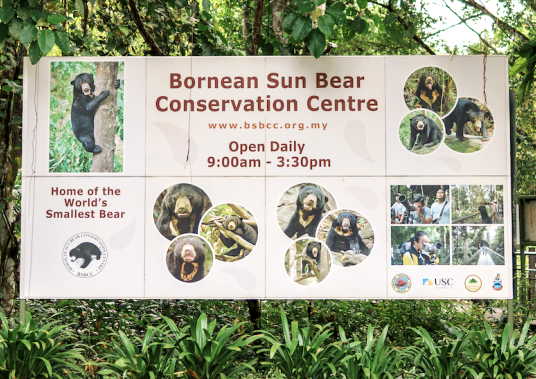
Bornean Sun Bear Conservation Centre (BSBCC)
Located in Sepilok, Sandakan, BSBCC is the world's only facility dedicated exclusively to sun bear rescue and rehabilitation. In 2026, their mascots Wira and Manja represent the Visit Malaysia 2026 campaign, raising national awareness.
Key achievement: Launched the Tabin Sun Bear Project for "soft release" of rehabilitated cubs.
WWF-Malaysia
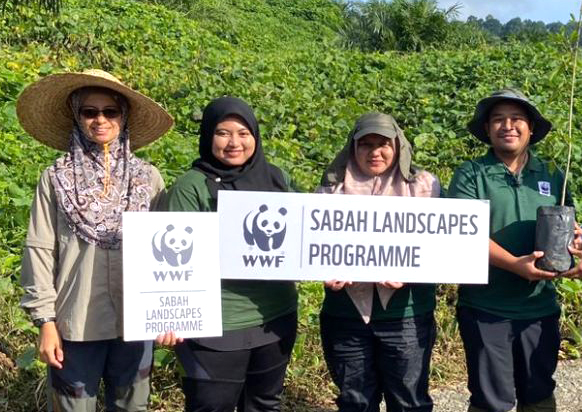
Through the Sabah Landscapes Programme, WWF-Malaysia works on landscape connectivity in the Tawau-Kunak region, restoring ecological corridors to ensure wildlife movement between fragmented forests.
Key role: Co-leading implementation of the 10-Year Bornean Sun Bear Action Plan (2025-2034).
Danau Girang Field Centre (DGFC)
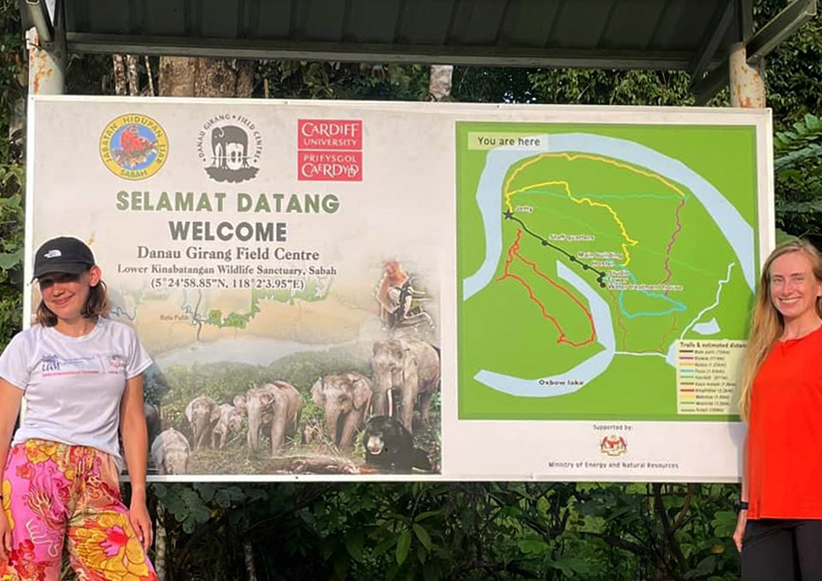
A research institution in Kinabatangan that plays a critical role in developing evidence-based conservation strategies. Their scientific monitoring helps understand sun bear survival in changing landscapes.
Key contribution: Developed the 2025-2034 Bornean Sun Bear Action Plan for Sabah.
Bear Conservationists
These individuals have made remarkable contributions to sun bear conservation through science, photography, and advocacy:

Dr. Wong Siew Te
Known as "Papa Bear," Dr. Wong founded BSBCC and conducted the first ecological study of wild sun bears in Sabah. A CNN Hero and recipient of international awards for his 27+ years of dedication.
2026 milestone: Successfully advocated for the sun bear as Visit Malaysia 2026 mascot.

Cede Prudente
Renowned wildlife photographer whose images have been instrumental in raising awareness about sun bears. Leads specialized "Wild Borneo Photo Journeys" to document these elusive creatures.
Dr. Sarah Pye
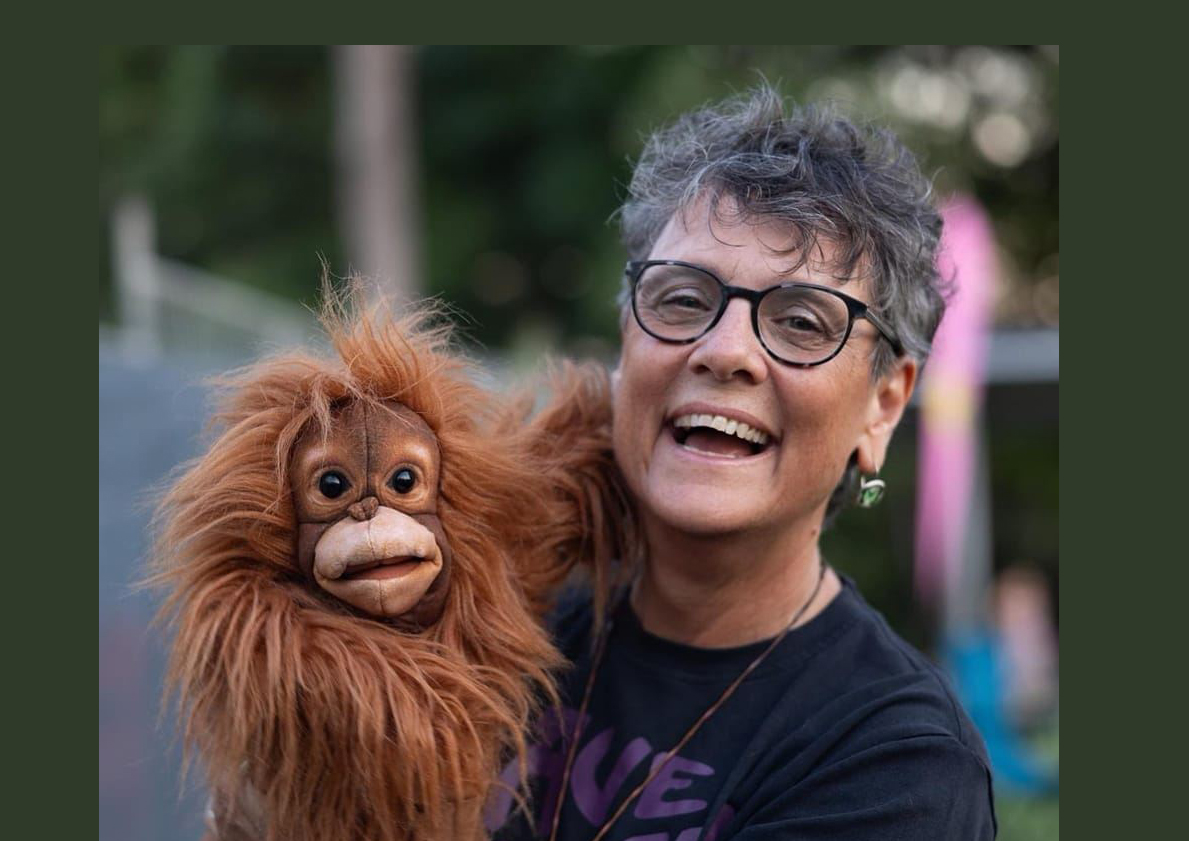
Author of the award-winning biography "Saving Sun Bears," which chronicles Dr. Wong's life and the species' plight. Uses storytelling to engage non-scientists in conservation.
Brad Josephs
Conservationist and photographer who bridges tourism and field conservation. Spearheaded crowdfunded releases of rehabilitated bears into Tabin Wildlife Reserve.
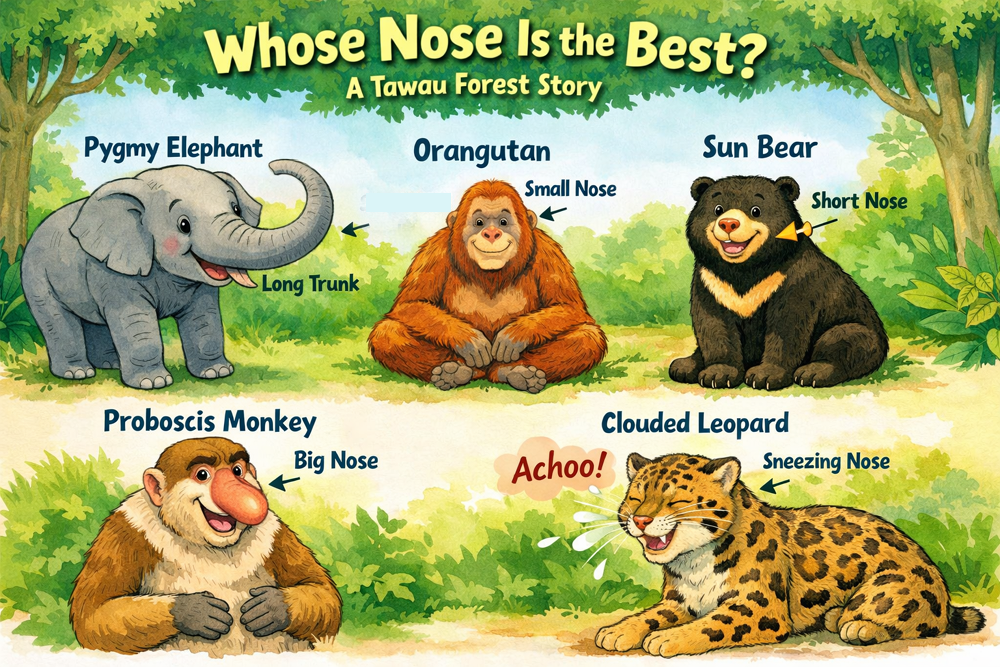
FOR SCHOOL KIDS
Whose Nose Is the Best?
One day in the Tawau forest, five animal brothers met for a big feast. Before anyone could eat, they started comparing noses.
The Pygmy Elephant smiled and lifted his trunk. "My nose is the longest!" he said proudly. "I can breathe, smell, drink, and even grab food. It's like five tools in one!"
The Orangutan laughed. "Very useful," he said. "But mine is small and neat. I don't need a long nose to be clever."
The Sun Bear pointed at his short snout. "At least people don't trip over my nose," he joked. "They call me 'dog bear', but hey - I'm fast and strong!"
Suddenly, the Proboscis Monkey jumped in. "Small noses are boring!" he shouted. "My big nose makes my voice louder and helps me get attention!"
Everyone covered their ears. Then - Achoo!
The Clouded Leopard sneezed. "Sorry," he said calmly. "A tourist used perfume... very far away."
The brothers burst out laughing. In the end, they agreed: Big nose or small nose, long or short - every nose in jungle is special and helps its owner survive.