Borneo, the third-largest island in the world, is not only a haven for biodiversity but also a vibrant tapestry of cultures. Shared by Malaysia, Indonesia, and Brunei, the island is home to a diverse array of ethnic groups, each contributing to its rich cultural heritage. From bustling coastal towns to remote highland villages, the people of Borneo embody a harmonious blend of tradition and modernity.
Did You Know?
Borneo is home to approximately 20-30 million people, with over 200 distinct ethnic groups speaking more than 170 languages. This makes it one of the most culturally diverse regions on Earth, often referred to as "Asia's Melting Pot."
Exploring Borneo is an immersive journey into a world where culture thrives amidst breathtaking landscapes, creating a unique living laboratory of human diversity and adaptation.
Indigenous Peoples of Borneo
Cultural Significance
Borneo's indigenous communities maintain some of the world's oldest continuous cultures, with archaeological evidence suggesting human presence dating back over 40,000 years. Their traditional knowledge of rainforest ecosystems is now recognized as vital for global conservation efforts.

The Kadazandusun, the largest ethnic group in Sabah, are deeply tied to the land. Known for their agricultural heritage, especially rice farming, they see Mount Kinabalu as a sacred resting place for ancestral spirits.
Their annual harvest festival, Pesta Kaamatan, is a vibrant celebration of gratitude and unity, featuring traditional dances, music, and the selection of the Unduk Ngadau (harvest festival queen).

Renowned as skillful horsemen and seafarers, the Bajau are divided into West Coast Bajau, known for equestrian prowess, and East Coast Bajau, recognized for maritime heritage.
Their colorful festivals, such as Regatta Lepa in Semporna, celebrate their deep connection to the ocean, featuring elaborately decorated traditional boats and water-based competitions.

Historically known as headhunters, the Murut now preserve their identity through music, dance, and craftsmanship. The Magunatip dance, performed with bamboo poles, showcases their agility and cultural pride.
Their traditional longhouses, built on sturdy stilts, symbolize community living and are often decorated with intricate carvings and skull trophies from their headhunting past.

Cultural Insight
The Banjar are renowned for traditional river life, woodcarving, batik textiles, jewelry, soto Banjar cuisine, Islamic faith, and vibrant language.
Banjar traditional music reflects river life and Islamic heritage, featuring rhythmic gongs, drums, and poetic chants. It accompanies ceremonies, dances, and storytelling, preserving community identity, harmony, and cultural memory across generations.

The Lundayuh, found in the highlands of Sarawak and Sabah, are known for their agricultural skills and harmonious way of life. Their traditions emphasize community, respect for nature, and cultural resilience.
Cultural Insight
The Lundayuh are renowned for their traditional "bario" rice cultivation, producing one of the most sought-after rice varieties in Southeast Asia. Their irrigation systems demonstrate sophisticated ancient agricultural knowledge.
Celebrated for their bamboo band music and intricate beadwork, the Lundayuh maintain strong community bonds through collective farming practices and shared responsibilities in their highland villages.

The Iban, also called the "Sea Dayaks," are celebrated for their longhouses and intricate Pua Kumbu textiles. Their Gawai Dayak festival is a grand homage to the harvest season, filled with music, dance, and rituals.
Did You Know?
Iban longhouses can stretch over 100 meters and house multiple families under one roof. Each longhouse functions as a complete village with its own leadership and social structure, representing one of the world's oldest forms of community living.
Renowned for their warrior heritage, intricate tattoos, and spiritual connection to nature, the Iban maintain one of Borneo's most vibrant cultures. Their traditional knowledge of rainforest plants and animals is unparalleled among Borneo's indigenous groups.

The Penan, one of the last nomadic groups in Borneo, are renowned for their deep knowledge of the rainforest. Their way of life reflects sustainable living and harmony with nature.
Cultural Significance
The Penan are masters of forest navigation, using natural signs and animal tracks to traverse dense rainforests. They possess extensive knowledge of medicinal plants, with traditional remedies passed down through generations.
Known for their blowpipe hunting skills and temporary shelters called "selap," the Penan practice rotational foraging that allows forest resources to regenerate naturally. Their concept of "molong" (forest stewardship) teaches sustainable harvesting and deep respect for the ecosystem.

The Dayak of Kalimantan, Indonesia, comprise sub-groups such as the Kenyah, Kayan, and Ngaju. Known for tattooing, woodcarving, and animistic beliefs, their Lamin longhouses symbolize communal harmony and spiritual connection.
Cultural Significance
Dayak tattoos are not merely decorative - they tell life stories, achievements, and spiritual protection. Each symbol has specific meaning, with motifs representing bravery, social status, and connection to the spirit world.
With over 200 sub-groups across Indonesian Borneo, the Dayak people maintain diverse yet interconnected cultures. Their elaborate festivals like Gawai and Tiwah (secondary burial ceremony) demonstrate complex spiritual beliefs and community bonding.
Major Dayak Sub-groups
Kenyah Dayak
Known for intricate beadwork, sape music (traditional lute), and distinctive facial tattoos that signify beauty and status.
Kayan Dayak
Famous for elongated earlobes with heavy brass earrings, intricate woodcarvings, and traditional Kenyah-Kayan script.
Ngaju Dayak
Celebrated for their Tiwah funeral ceremonies and sophisticated ship-shaped burial structures called "sandung."
Migrant and Minority Communities

The Butonese, from Southeast Sulawesi, Indonesia, are skilled seafarers. Many have settled in Sabah, bringing with them unique traditions and maritime expertise.
Seafaring Legacy
Butonese sailors were historically known as the "Vikings of the East" for their exceptional navigation skills across the Indonesian archipelago. They developed unique boat designs and celestial navigation techniques passed down through generations.
Butonese communities in Borneo maintain strong connections to their maritime roots through boat-building traditions, fishing techniques, and oral histories of sea voyages. Their settlement patterns typically follow coastal areas where they continue to practice traditional fishing methods.

The Manado people, from North Sulawesi, Indonesia, enrich Borneo with their culinary traditions and cultural practices.
Culinary Influence
Manado cuisine, known for its bold flavors and generous use of spices like chili, ginger, and lemongrass, has significantly influenced Borneo's food scene. Dishes like "Tinutuan" (Manado porridge) and "Cakalang Fufu" (smoked skipjack tuna) are now local favorites.
Beyond their culinary contributions, the Manado community brings vibrant Christian traditions, distinct architectural styles, and a strong entrepreneurial spirit to Borneo. Their migration patterns often follow trade routes established during the colonial era.

The Toraja, originally from Sulawesi, are renowned for elaborate funeral rituals and unique architecture. Their presence adds depth to Borneo's cultural richness.
Architectural Marvel
Toraja "tongkonan" houses with their distinctive boat-shaped roofs and elaborate carvings are considered architectural masterpieces. Each design element carries spiritual significance, representing social status, family history, and cosmological beliefs.
Toraja funeral ceremonies, among the world's most elaborate, can last for days and involve intricate rituals, traditional dances, and buffalo sacrifices. In Borneo, Toraja communities maintain these traditions while adapting to their new environment, creating a unique cultural synthesis.
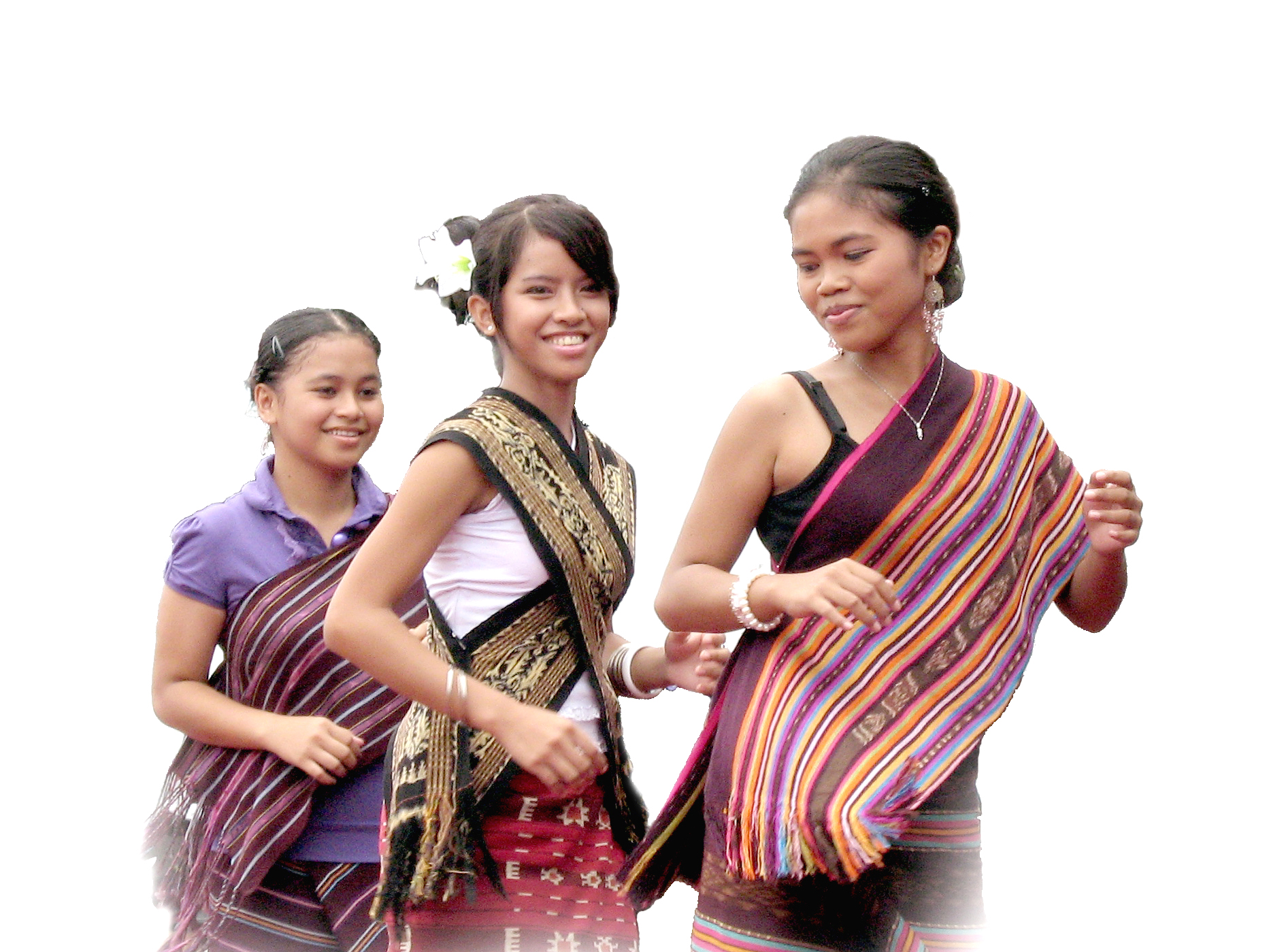
The Timorese community, many of whom work in oil palm plantations, play a crucial role in Borneo's agricultural sector.
Agricultural Innovation
Timorese farmers introduced traditional East Nusa Tenggara agricultural techniques to Borneo, including terracing methods for hillside cultivation and mixed cropping systems that increase biodiversity and soil fertility.
Coming from both Indonesian Timor and Timor-Leste, these communities bring resilience honed in semi-arid environments to Borneo's tropical agriculture. Their integration into plantation economies represents one of Southeast Asia's significant labor migration patterns of the 20th century.

Immigrants from the Philippines, including Kababayan and Visaya groups, have brought vibrant traditions in music, dance, and cuisine, enriching Borneo's multicultural landscape.
Cultural Bridge
Filipino communities introduced the "rondalla" musical ensemble to Borneo, featuring traditional string instruments like the bandurria and octavina. Their musical traditions have influenced local entertainment scenes, particularly in Sabah's urban centers.
With migration waves spanning from the colonial era to modern labor movements, Filipino communities have established vibrant enclaves across Borneo. Visaya speakers particularly dominate certain sectors like retail and services, while maintaining strong transnational family networks.
Filipino Communities in Borneo
Kababayan Community
Primarily from southern Philippines, maintaining strong Islamic traditions and maritime connections. Known for brassware craftsmanship and traditional weaving.
Visaya Communities
Largest Filipino group in Borneo, bringing vibrant festivals like Sinulog and Ati-Atihan. Major contributors to education, healthcare, and service industries.
Cultural Contributions
Introduced dishes like adobo, sinigang, and halo-halo; musical forms like kundiman; and religious traditions blending indigenous and Catholic elements.

Originating from Southeast Sulawesi, the Wakatobi people are skilled fishermen and sailors, contributing to Borneo's coastal communities.
Marine Conservationists
Wakatobi people practice "sasi laut," a traditional marine resource management system that regulates fishing through seasonal bans and protected areas. This ancient practice demonstrates sophisticated ecological knowledge centuries before modern conservation science.
Named after their island chain (Wangi-Wangi, Kaledupa, Tomia, and Binongko), these communities bring exceptional free-diving abilities and sustainable fishing techniques to Borneo. Their traditional "phinisi" sailboats are engineering marvels built without blueprints.

The Iranun, originally from Mindanao, Philippines, are known for their warrior and seafaring past. The Arab community, with a legacy of trade, has influenced Islamic traditions, architecture, and cuisine across Borneo.
Historical Legacy
Iranun warriors were historically known as "Illanun" or "Sea Dayaks of the Sulu Sea," feared for their maritime raids across Southeast Asia. Meanwhile, Arab traders introduced the Islamic legal system, Arabic script, and architectural styles like the "minaret" to Borneo.
Iranun Contributions
Traditional boat-building, maritime navigation, warrior arts, and integration into Malay sultanates as naval commanders.
Arab Influences
Islamic scholarship, trade networks connecting Borneo to the Middle East, architectural elements in mosques, and culinary spices.

The Pakistani community, many of whom are nationalized Malaysians, have contributed to trade, textiles, and jewelry industries in Borneo.
Artisanal Excellence
Pakistani jewelers introduced intricate "kundan" and "meenakari" jewelry techniques to Borneo, blending traditional Subcontinental designs with local motifs. Their craftsmanship transformed Borneo's gold and silver markets in the mid-20th century.
Primarily from Punjab and Sindh provinces, Pakistani migrants arrived during British colonial administration and post-independence periods. They established extensive trading networks specializing in textiles, spices, and electronics, while maintaining strong connections to their South Asian heritage.

The Bolongan and Tidung people, minorities in Tawau, add to the region's ethnic mosaic with their traditions and close-knit communities.
Riverine Culture
Both Bolongan and Tidung peoples have deep river-based traditions, with settlements historically established along Borneo's major waterways. Their traditional "perahu" boats and fishing techniques reflect adaptation to Borneo's complex river systems.
Tidung People
Once rulers of the Tidung Sultanate in North Kalimantan, now maintaining traditional fishing, farming, and distinctive "tari persembahan" ceremonial dances.
Bolongan People
Smaller community with unique oral histories, traditional healing practices, and expertise in rattan and bamboo crafts.

Migrating from the Cocos (Keeling) Islands, the Orang Cocos settled in Tawau and Lahad Datu. Their culture blends Malay and Cocos Island traditions, reflected in language, music, and daily life.
Island Heritage
As descendants of Malay workers and Scottish overseers from the Cocos (Keeling) Islands - an Australian territory - the Orang Cocos represent one of Southeast Asia's most unique cultural syntheses, blending Austronesian, British colonial, and Australian influences.
Their migration to Borneo in the 1950s created a unique diaspora community that maintains distinctive traditions like "main puteri" healing rituals, coconut-based cuisine, and the "joget Cocos" dance. Despite being one of Borneo's smallest communities, they've preserved their unique Creole language called "Cocos Malay."
Unique Cultural Elements
• Cocos Malay language (Bahasa Cocos)
• Traditional coconut leaf weaving
• Scottish-influenced reel dancing blended with Malay moves
• Distinctive cuisine using coconut milk and tropical spices
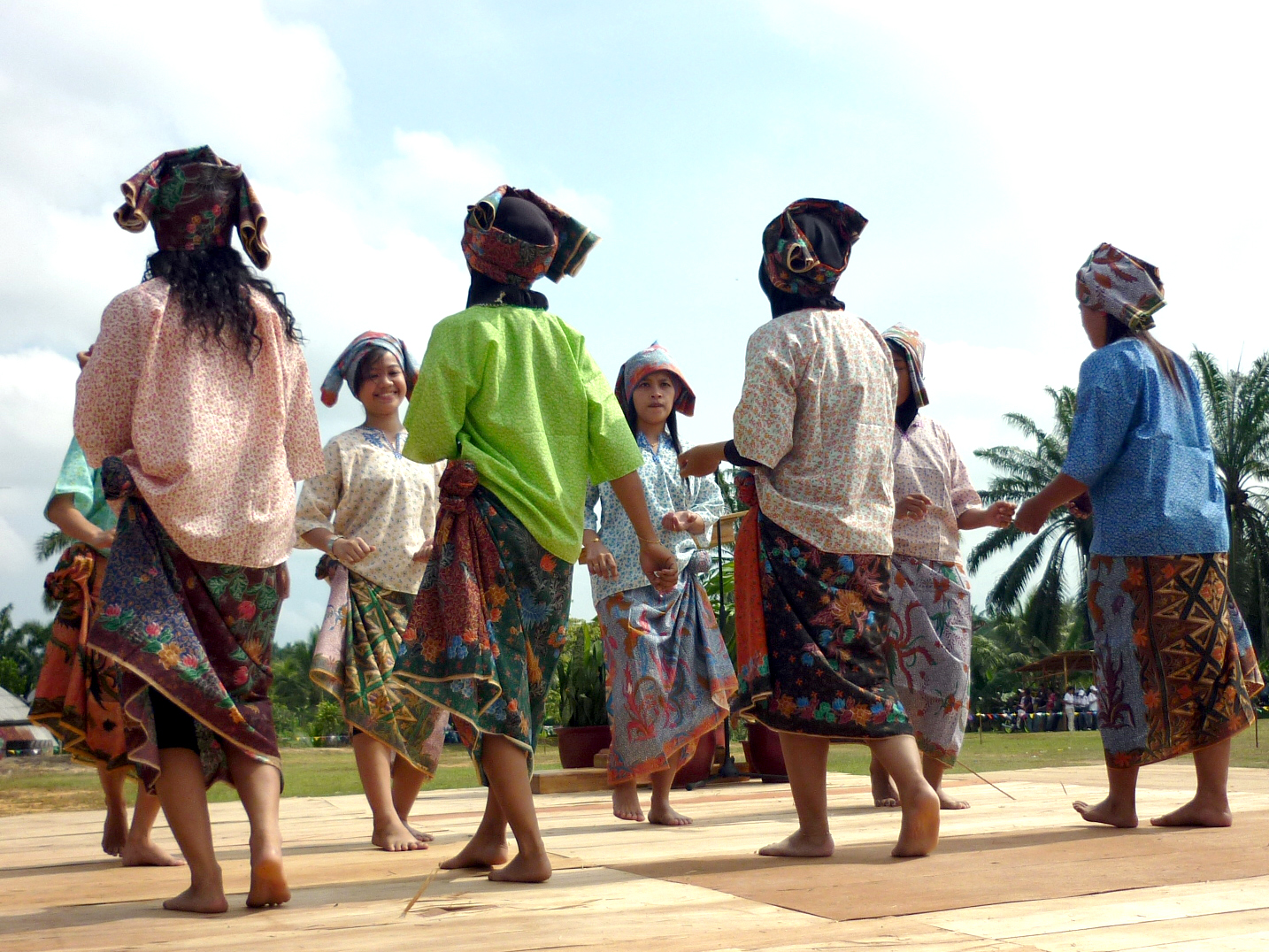
Originating from Sulawesi, the Bugis are known for their maritime skills and adaptability. In Sabah, they contribute to agriculture and trade, while preserving their dances and cultural practices.
Navigational Masters
The Bugis developed the "pinisi" sailing vessel, considered one of the most advanced traditional boat designs in maritime history. Their navigation charts, using stars, winds, and ocean currents, allowed them to dominate Southeast Asian trade routes for centuries.
Bugis migration to Borneo dates to the 17th century when they established trading posts and settlements along the coast. Their warrior tradition, combined with entrepreneurial skills, allowed them to integrate into local power structures while maintaining distinct cultural identity.
Cultural Contributions
Traditional "pakarena" dance, intricate "songket" textiles, martial arts (silat), and unique boat-building techniques.
Economic Roles
Rice cultivation, pepper farming, maritime trade, jewelry making, and serving as traditional healers (bomoh).
Historical Migration Patterns
Borneo's strategic location along ancient trade routes has attracted diverse communities for centuries. From Bugis sailors establishing trade networks to Chinese merchants during the era of the Nanyang migration, each group has left an indelible mark on the island's cultural fabric.
Cultural Coexistence and Preservation
Modern Challenges and Resilience
While Borneo's cultural diversity remains vibrant, indigenous communities face challenges from deforestation, urbanization, and cultural assimilation. However, growing ecotourism and cultural tourism initiatives are helping preserve traditions while providing sustainable livelihoods.
UNESCO has recognized several Bornean cultural practices as Intangible Cultural Heritage, including the Singkil dance of the Maranao and the Hudhud chants of the Ifugao (both with Bornean connections through migration patterns).
In Borneo's diverse cultural landscape, Brunei Malays uphold profound Islamic heritage and royal traditions, balancing modernity with ancient customs in their majestic Sultanate.
Malaysian Chinese communities form economic pillars, driving trade, agriculture, and industry while celebrating vibrant festivals like Chinese New Year that enrich the island's festive calendar.
Though smaller in number, Malaysian Indians contribute significantly through colorful traditions, aromatic cuisine, and spiritual festivals such as Deepavali and Thaipusam.
Together, these communities - through faith, enterprise, and cultural expression
- deepen Borneo's multicultural richness, demonstrating how distinct heritages harmoniously coexist within the island's evolving social tapestry.
A Harmonious Coexistence
Borneo's cultural diversity is a living example of coexistence and mutual respect. Every community, whether indigenous or migrant, contributes traditions, beliefs, and practices that form the island's identity. This harmonious interplay makes Borneo not only a natural wonder but also a cultural marvel
- a living mosaic of humanity where heritage thrives alongside modernity.
The island's unique position at the crossroads of Southeast Asian maritime trade has created a cultural tapestry where ancient animistic beliefs coexist with world religions, where traditional longhouses stand near modern cities, and where oral histories are preserved alongside digital documentation.