| OPEN HABITATS | FOREST HABITATS | ||||||||||||||||||
|
|
Last Updated on Sunday, 17 September, 2023 09:55:13 PM
INDEX > Dragonflies of Borneo > Family Libellulidae > HABITATS OF DRAGONFLIES
HABITATS OF DRAGONFLIES
Habitat of Odonata
Where to find Dragonflies and Damselflies?
Dragonflies and damselflies can be found along the shores and over
the waters of marshes, pond, rivers and lakes.
Males tend to be territorial, staying close by water to guard their hunting and
mating territory. They tend to congregate around the breeding sites where they
may be seen either perched on waterside vegetation, hovering over small
territories or hawking up and down in search of females.
Females of many species spend much time away from the water, only appearing to
mate and lay eggs, but some congregate with the males. Almost all odonata nymph
are aquatic. They can be found in many aquatic habitats including either
sluggish or fast running freshwater creeks, rivers, stream and lakes, and some
species inhabit the more saline habitats of inland waters.
Finding dragonflies and damselflies
Dragonflies and damselflies occur in all types of freshwater habitats. Generally
habitats with a good clear water, aquatic and bank side vegetation (e.g. water
lilies, rushes, weeds) and a natural morphology (e.g. not canalized or dammed)
have more species. An important habitat aspect is sun: adults like to sit in the
sun, but in the tropics there are many species that prefer the shade.
The easiest localities to observe dragonflies are often open unshaded habitats
like ditches beside the road and ponds. These habitats often hold only common
and widespread species.
More interesting species are found in forest and almost all endemic species
(species with a small range) are confined to forest habitats. Good habitats to
look are small running waters in the forest, especially those with some sunny
spots. Such waters are usually largely shaded, have clear shallow water, and no
aquatic and bank-side vegetation. Also very interesting are rivers, especially
forested ones. Here there is more sun and vegetation, allowing a different
spectrum of species.
Small special habitats can contain some very specialized, rare species. Examples
are places where water oozes from the ground (seepage), the spray-zone of
waterfalls, wet trickles along rock faces, torrents, small pockets of water in
tree holes (phytotelmata) or small pools and swamps in forest. On first
impression these habitats often seem poor in dragonflies; take your time to
wander around and get a feeling of where the dragonflies are. Species occurring
in these habitats often appear inconspicuous (less colorful) and inactive, only
moving from their perch when approached.
Favourite habitat of dragonflies and damselflies :
| OPEN HABITATS | FOREST HABITATS | ||||||||||||||||||
|
|
Kerangas / Tropical heath
an area of open uncultivated land, with characteristic vegetation of
heather, gorse, and coarse grasses.
a dwarf shrub with small leathery leaves and small pink or purple bell-shaped
flowers, characteristic of heathland and moorland.
Sundaland heath forest, also known as Kerangas forest, is a type of tropical
moist forest found on the island of Borneo, which is divided between Brunei,
Indonesia, and Malaysia, as well as on the Indonesian islands of Belitung and
Bangka, which lie to the west of Borneo.
Swamps in forest often have a rich dragonfly-fauna with many species that do
not occur in other habitats. On first impression these habitats often seem poor
in dragonflies; take time to wander around and find where the dragonflies are.
Species occurring in these habitats are often inconspicuous and inactive.

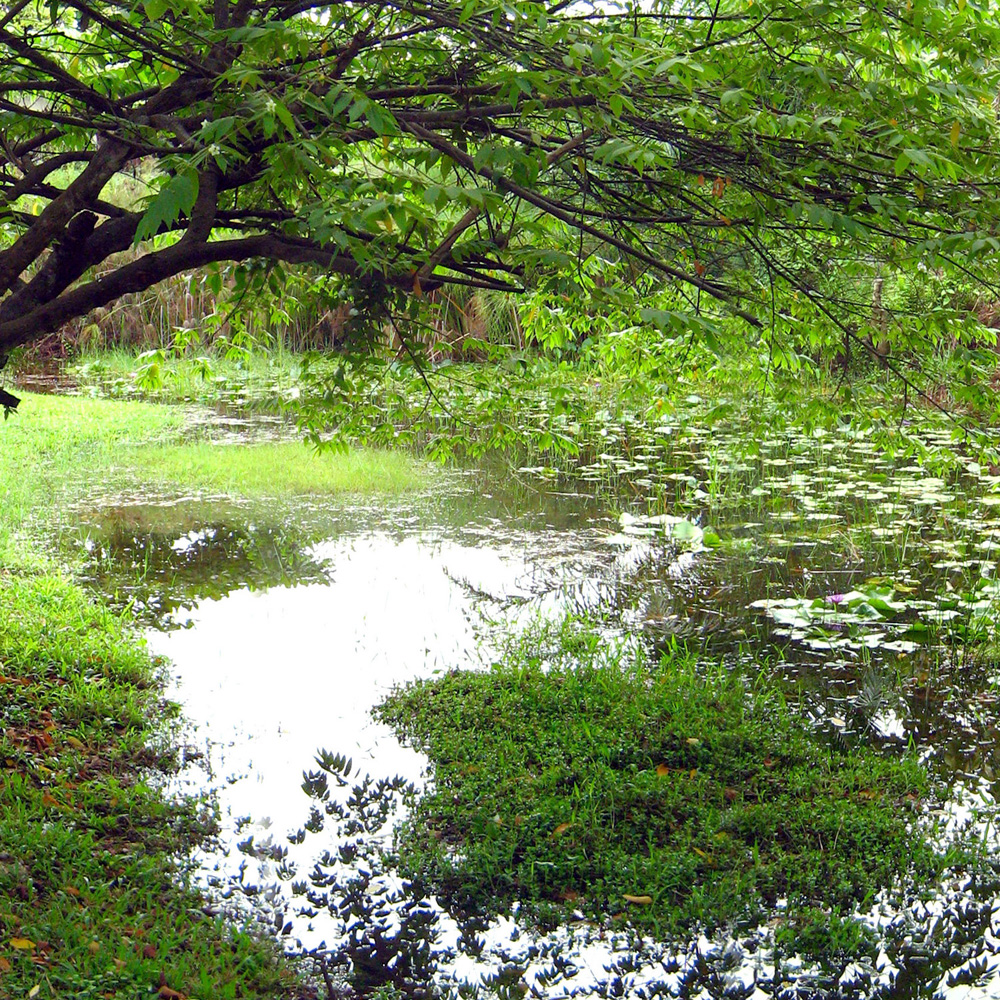
Above : a natural pond on the Northern side of Bukit Gemok foothill. A
dragonfly-rich small natural lakes. A breeding ground of many species of
tropical dragonflies and damselflies. A pond with dense growths of water
hyacinths support larger diverse invertebrate populations. The hyacinths provide
a refuge from predation and a food source for a wide variety of organisms.
We found a significant connection between the number of aquatic plants and the
number of dragonfly species present.
Dragonfly species richness associated with species richness of vascular plants.

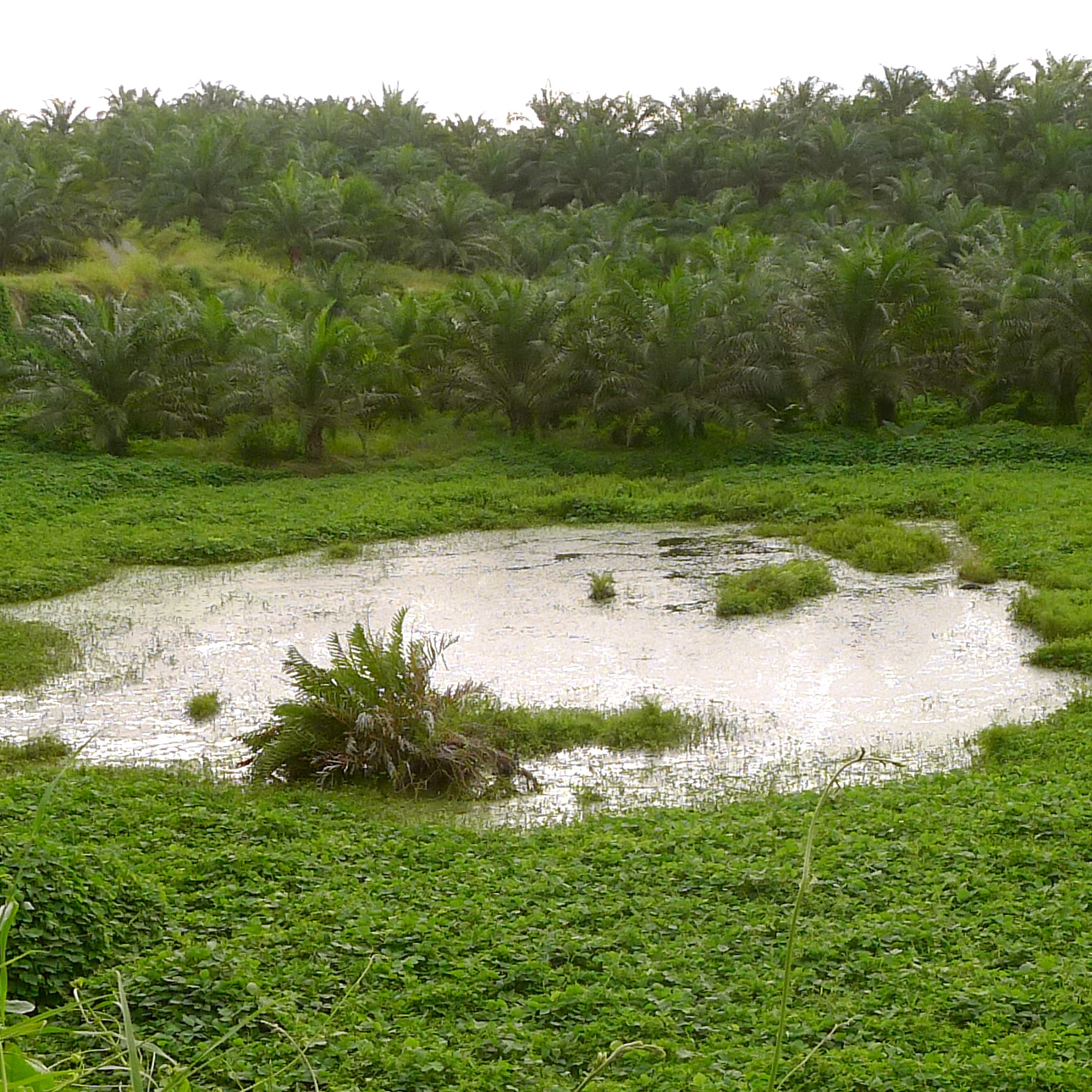
Open artificial habitats are the easiest places to find dragonflies. The species
encountered at these type of open spaces are often common and widespread.

Small running waters in the forest, especially those with some sunny spots, are
often rich in dragonflies. Such waters are usually largely shaded, have clear
shallow water, and no aquatic and bank-side vegetation.

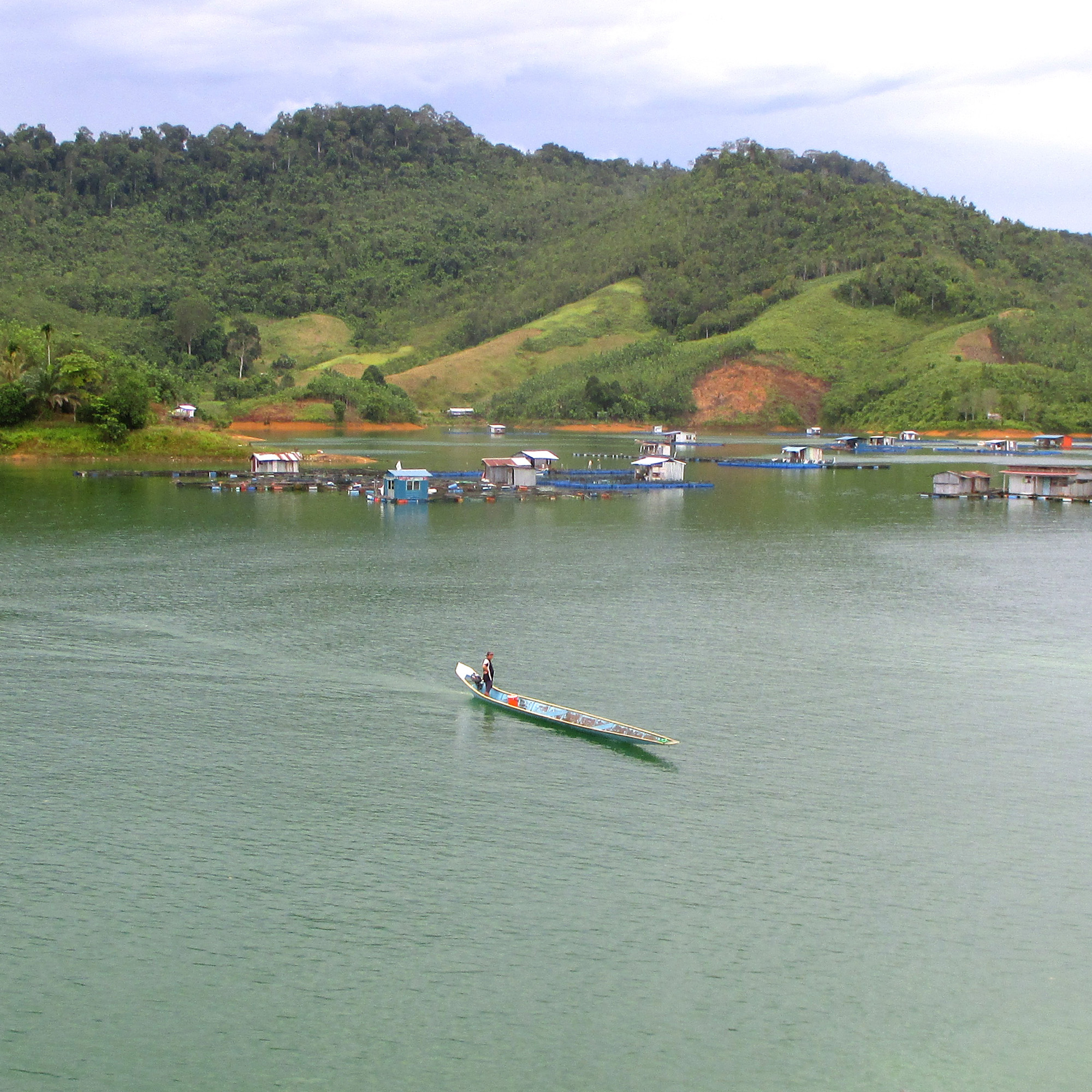
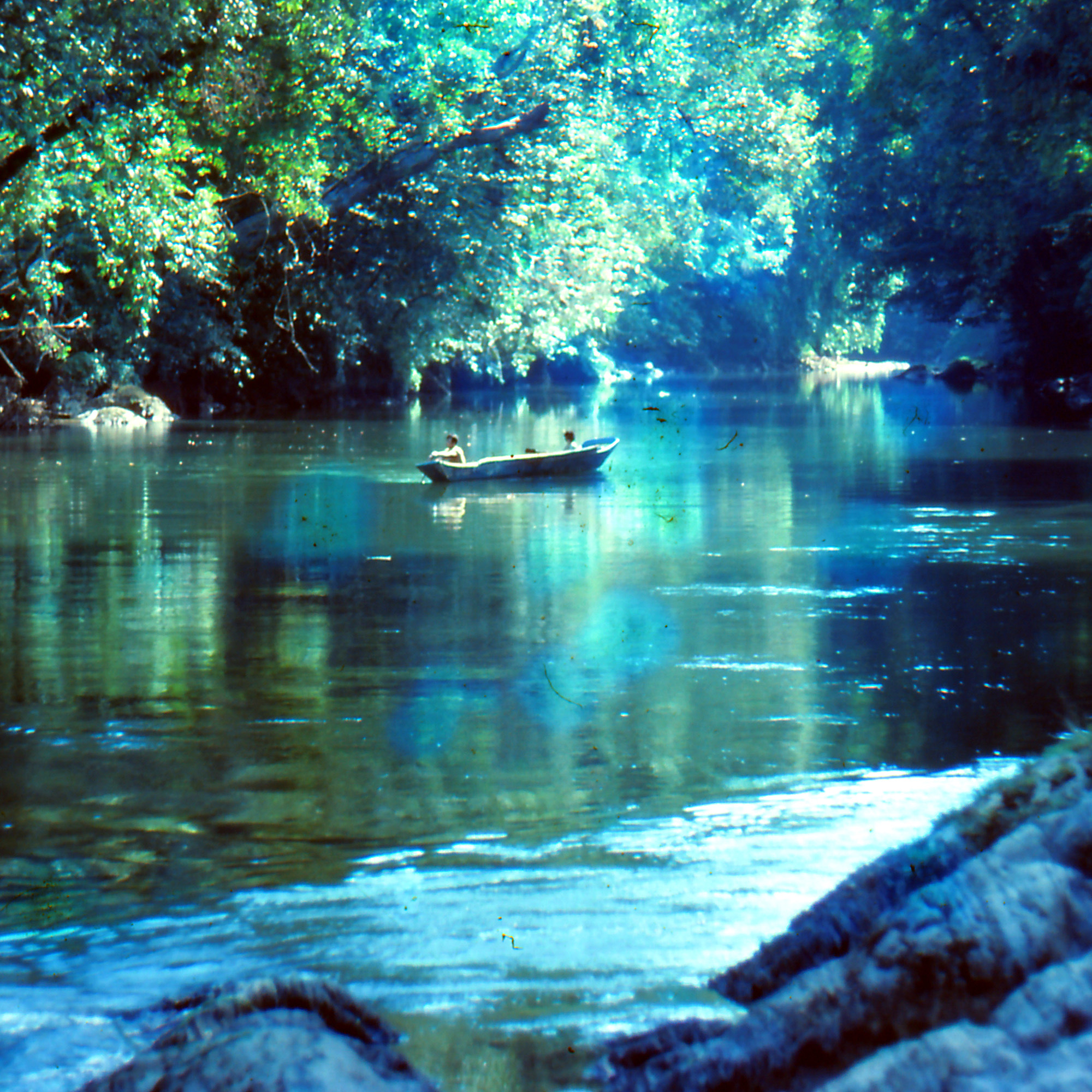
Forested Rivers with more sunlight and vegetation are good dragonflies habitats,
allowing a different spectrum of species.

Rivers bordered by degraded forest are often less rich in species. This river
flood during monsoon season.
The 3 families of dragonflies found in Borneo Island:
1 Family of Aeshnidae

CHART OF DRAGONFLIES OF BORNEO
RELATED TOPICS
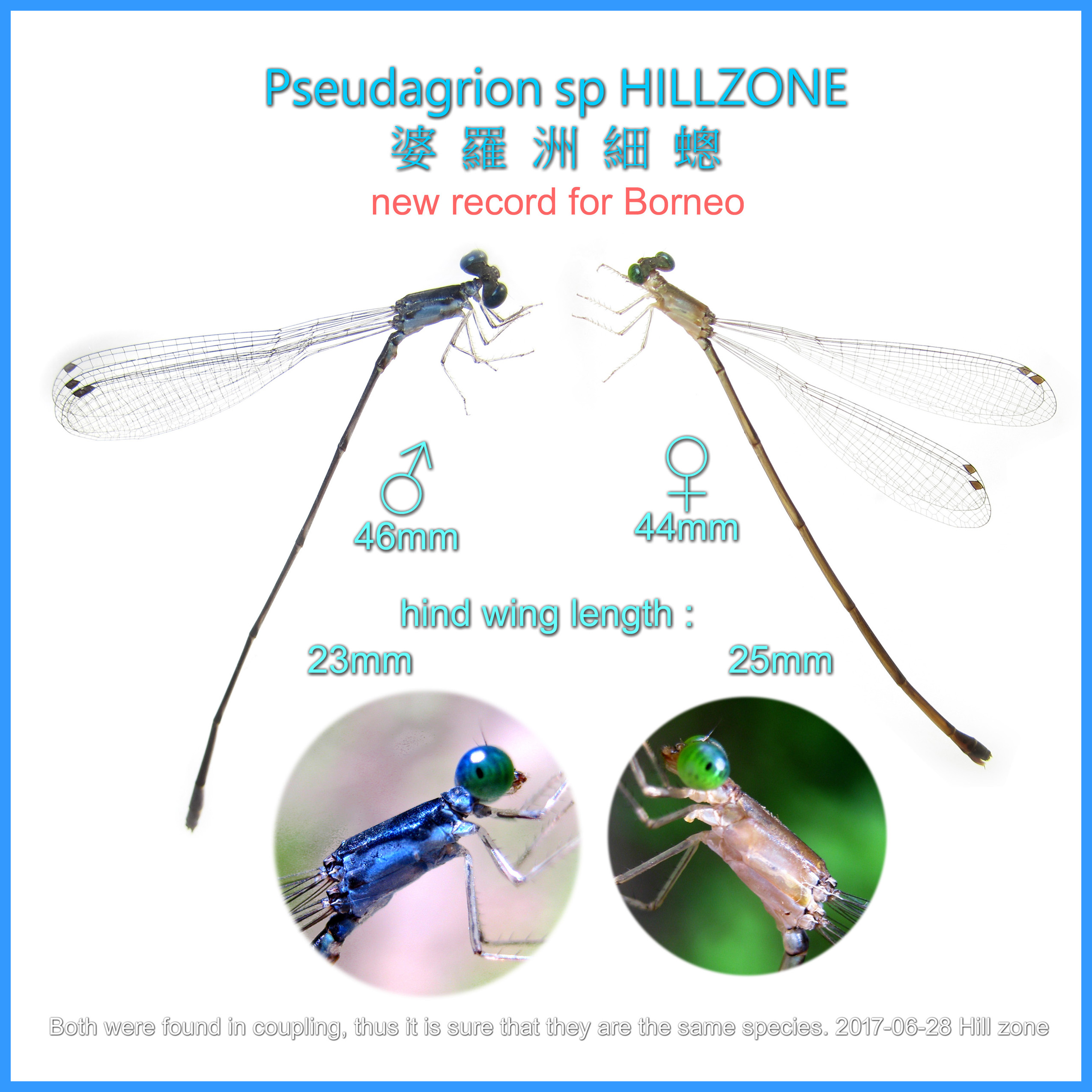
INTRODUCTION TO THE DAMSELFLIES OF SABAH, BORNEO ISLAND
Insects are diverse and dominant inhabitants of the tropical rainforests in Borneo Island. New species are discovered too often. Entomologists are still struggling to cope with the documentation of tropical insect diversity.
Most of the common dragonflies in Sabah are red coloured, especially from the family Libellulidae. Some red pecies are even confused as same species, for example the three species of Genus Neurothemis.

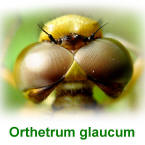
The compound eyes of dragonflies
Dragonflies and damselflies have large compound eyes that can see in all directions. When the compound eye is magnified several hundred times, each individual facet (ommatidium) is shown to be hexagonal in shape.
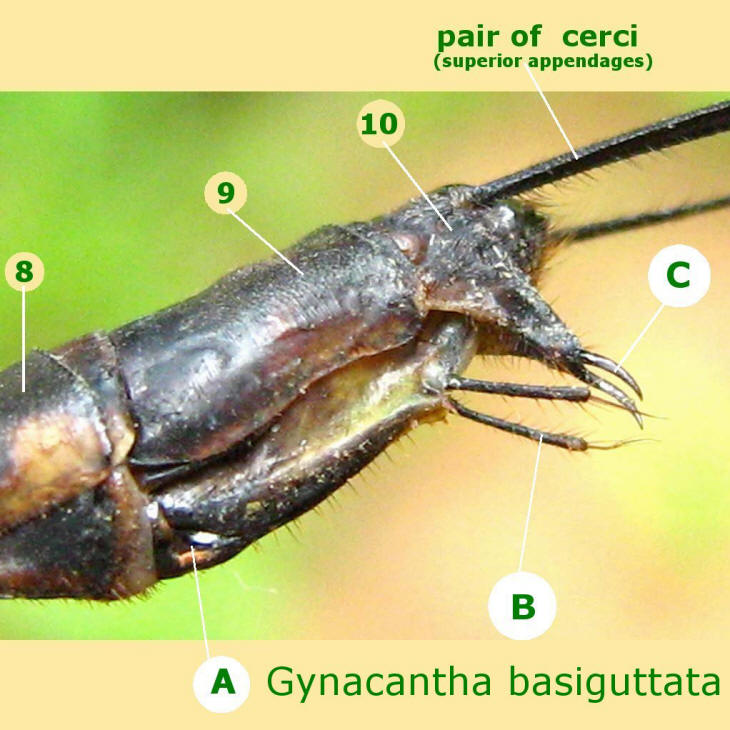
Ovipositor (Vulvar Lamina)
of Female Dragonflies and Damselflies
Female dragonflies have either one of the two method of depositing eggs from
the abdomen:
1- using Ovipositor Structure
2- using Vulvar Lamina
Male do not have an ovipositor. Instead male dragonfly and damselfly have appendages.
|
GO FURTHER FLORA Borneo has 150 species of wild fig trees. Most of them are found in forests of Sabah. FISHERIES Prawn farming is a main commercial activities in Tawau. Spawners from Tawau are graded the best in Malaysia. For decades, Tawau has been exporting high-grade tiger prawns to several countries such as Korea, Japan, Taiwan, China, Vietnam, Singapore, Egypt and Australia. |
|
|
Damselflies of Borneo |